


The Problem: Warm Boxes and Sad Deliveries
Imagine a truck carrying chilly ice cream that wakes up warm. That’s a big problem. Cold goods need to stay cold from the kitchen to the doorstep. People use cold chain fleet management to keep things steady. During COVID-19 vaccine distribution, teams learned how strict temperature checks must be. Little mistakes can spoil shipments and trust.

Why a Problem-Driven Fix Works
Start with the trouble you see. Find the moment boxes change temperature. Find who was driving, where the truck stopped, and what the report said. Fix the exact cause. That’s smarter than guessing. GPS shows where the truck was. Driver tools show who drove and how. Reports show when the cold went away. Put those three together and the problem usually points to one cause.
Where Temperature Monitoring Fits
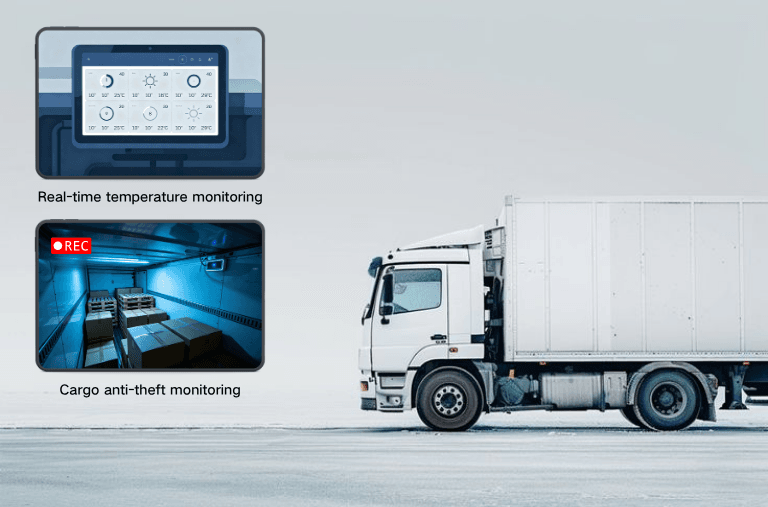
Temperature sensors are the heartbeat of a cold delivery. They talk to GPS and the driver app. When a sensor blinks red, teams act fast. Use cold chain temperature monitoring inside trucks, at warehouses, and in handoffs. Good systems stamp time, record exact degrees, and make neat logs for audits and refunds.
Common Mistakes and Simple Fixes
– Leaving sensors uncalibrated. Fix: calibrate before each trip.
– Ignoring short temperature spikes. Fix: set short alarms and review reasons.
– Drivers not trained on cold stops. Fix: short drills and clear checklists.
– Relying on paper reports. Fix: use automatic, timestamped reports.
What Works in the Real World
Field teams trust clear signals and plain steps. Experienced logistics engineers recommend these actions: check sensors daily, pair GPS with temperature logs, give drivers a single clear checklist, and keep short digital reports for audits. These actions cut confusion and speed up corrections.
Quick Checklist for Teams
– Calibrate sensors and log it.
– Link sensor data with GPS and driver ID.
– Set instant alerts for small deviations.
– Train drivers on stops and cold-box handling.
– Keep digital reports for two weeks after delivery.
Wrap-up
Fixing cold chain problems means finding the exact moment things go wrong and plugging the hole with tools that talk to each other. Clear sensors, GPS, driver care, and short reports stop warm surprises. For teams that want steady cold and fewer losses, BSJ shows how to put those pieces together without fuss.
