


Start: the problem that wakes you at 3 a.m.
Cold shipments fail quietly. One missed alarm, one door left open, and product spoiled before delivery. This guide looks straight at those failures. For those running cold chain fleet management, the questions are simple: what failed, why it failed, and how to stop it happening again. Lessons from COVID-19 vaccine distribution show how costly a single break in temperature control can be — not only money lost, but trust lost too.

Core problems to fix first
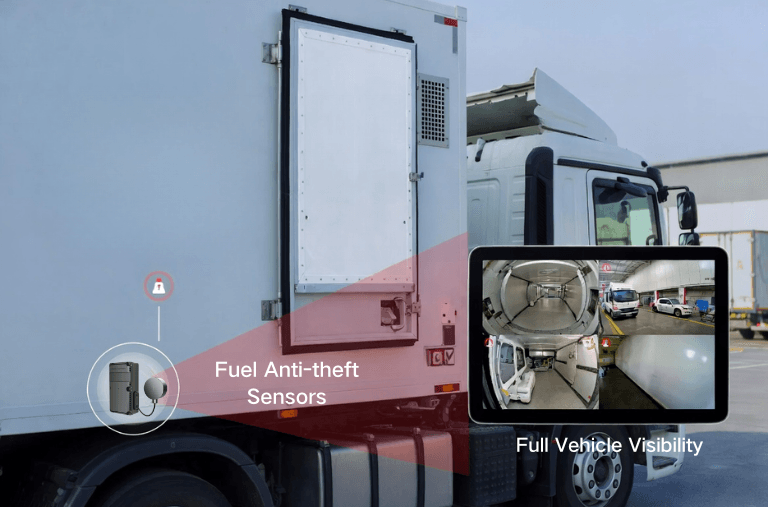
Problems repeat in patterns. Focus on these first:- Temperature excursions during handoffs.- Inconsistent loading and staging practices.- Poor visibility of vehicle and cargo conditions.- Reactive maintenance instead of planned checks.Each problem leads to product loss, customer complaints, and regulatory risk.
Why these problems happen — quick root causes
Often root causes are simple, but overlooked:- Procedures unclear. Staff do different steps, same dock.- Sensors are present but noisy data, no action thresholds.- Routes planned by distance, not by time-in-cargo or climate exposure.- Truck maintenance is calendar-only, ignoring actual cooldown performance.Fix the root, not only symptoms.
Practical checklist: first 30 days
Do these actions within a month. They are low-cost but high-impact.- Standardize loading: printed checklist taped to each bay.- Calibrate at least one data logger per truck, verify against a handheld.- Set actionable alarm rules: one step for driver, one for dispatcher.- Map critical handoff points and add 15 minutes buffer per handoff.- Run three live dry-runs with an empty payload but full monitoring to validate.
Technology choices that actually matter
Technology must answer a question, not just collect data. Look for:- End-to-end visibility: cargo temperature, door open events, and geo-location together.- Alerts with context: why alarm triggered, suggested corrective step, who to call.- Easy dashboards for dispatch and simple mobile view for drivers.Commercial options vary. Evaluate solutions that combine hardware reliability with clear operational workflows — think less about fancy analytics, more about clear, repeatable responses. For integrated offerings, consider proven cold chain management solutions that tie sensors, alerts, and workflow together.
Common mistakes teams keep making
Watch these traps and stop them fast:- Trusting device uptime without verification. Devices fail; check them.- Alarms that don’t tell a person what to do. Silence is common.- Treating data as audit-only. Use it for daily decisions.- Overcomplicating routing with many exceptions. Keep core routes predictable.Small process changes prevent big spoilage incidents.
How to score vendors and tools — simple rubric
Score each vendor on three things, 1–5:- Operational fit: how well the tool matches your daily steps.- Response workflow: does the system assign tasks and track closure?- Reliability evidence: references, uptime SLAs, and service in similar climates.Add one practical demo with your staff in a live loading bay. Skip long sales decks; see it work with your people.
Quick checklist for dispatch teams on a shift
Keep this on the console:- Confirm each trailer passed a five-minute pre-cool check.- Verify last-known temperature and door status 15 minutes before departure.- Assign a single point of contact for any alarm per shipment.- Re-route only when safety margin exists for product time-temperature budget.These routines make daily wins. They reduce surprises.
Final synthesis — why this works
Problems repeat because teams accept them as normal. Change comes from clear steps, simple tech that forces decisions, and repeatable checks. Real improvements come when dispatch, drivers, and maintenance share one set of rules and one set of data. For teams building that bridge, the practical option is to choose integrated systems and then train people to use them every day — not once a quarter. That daily use is what turns tools into trust, and it is the reason many operators now rely on integrated platforms like BSJ to connect sensors, alerts, and workflows into one practical operation.
