

Start: What go wrong most often
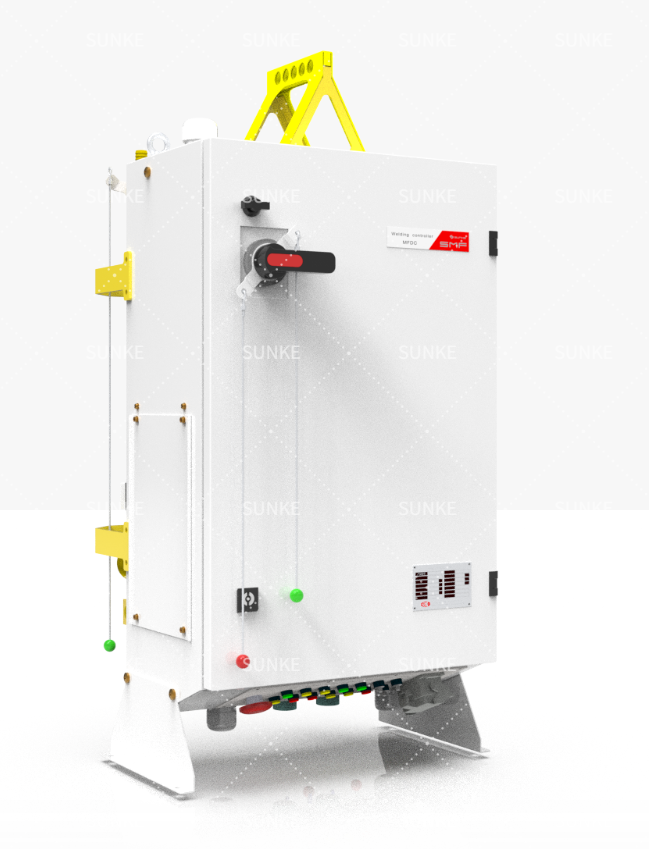
Mi come straight from the shop floor: when a weld fail, yuh need fast answers. Problems show up as cold nuggets, splatter, inconsistent penetration, or sudden machine trips. Before any deep teardown, watch the joint live with a resistance welding monitor so yuh capture current, time and squeeze trends — that log tell yuh half the story right away.
Problem: Weak or missing nugget — where fi check first
Start with the basics. Weak nugget usually mean one or more of these: low welding current, wrong squeeze time, dirty contact surfaces, or electrode wear. Do these checks in order:- Measure actual weld current at the gun. If it’s lower than setpoint, trace cable joints and contactors. – Inspect electrode faces for pitting, mushrooming, or improper dome. Clean or dress to correct profile. – Confirm electrode force is stable during the weld; loose pneumatic fittings or leaking cylinders drop force quick. – Check sheet cleanliness and fit-up; coatings, oil, or rust block current flow. If you want a portable field verification, use a portable weld checker to compare live output against machine setpoints before pulling the head off.
Problem: Excessive spatter, blow-through, or electrode sticking
Electrode temperature and contact control matter. Spatter and sticking point to too much current or dwell time, or wrong electrode tip shape for the gauge or material. Coolant failure or blocked cooling paths raise electrode temp and change contact resistance. Clean coolant filters, check flow, and replace heat-damaged electrodes. If sticking persists after replacing electrodes, reduce weld energy in small steps while watching nugget formation.
Problem: Inconsistent weld-to-weld variability
Variability screams process instability. Look at mechanical repeatability first: fixtures, clamps, and stack height change the current path. Electrical variability follows: corroded busbars, loose crimps, or aging transformers change pulse delivery. Use step tests: run 5 identical cycles and record current, squeeze, and time. Repeatability within a small band means the machine is fine; wide swings point back to wiring or contact resistance.
Electrical faults and control signals
Often, control logic looks fine while power delivery is the culprit. Verify control outputs (relays, SSRs) and the actual power waveform at the electrodes. Faulty control sensors give wrong feedback — current transformer drift or bad shunts spoil readings. Replace suspect sensors and recalibrate. If the machine trips intermittently, inspect the emergency stop logic and interlocks for bounce or grounding faults. A precise, logged trace from a monitor speeds root cause hunting.
Common pitfalls technicians make
Technicians jump to part replacement too quick. Avoid these traps:- Replacing the transformer without verifying poor connections or worn electrodes. – Changing settings widely instead of running small, documented adjustments. – Skipping calibration of measurement devices after repairs. Keep a measured baseline and revert to it if fixes worsen results.
Tools and tests that save time
Bring these to the line: a calibrated clamp ammeter, electrode dress kit, torque wrench for electrode holders, pneumatic gauge, and a portable data logger. A compact list:- Quick current trace to verify amplitude and pulse shape. – Squeeze-time chart to confirm force hold. – Visual electrode profile template for repeat dressing. – Documentation sheet to capture before/after values. These make troubleshooting repeatable and prove the fix.
Where field verification matters: a short real-world note
When manufacturers in Detroit assembly plants started adding handheld validation steps, downtime dropped because crews could validate weld energy at the gun without pulling the head apart. That hands-on check often separates a quick fix from a costly teardown.
Final synthesis
Mi tell yuh plain: find the weak link — mechanical, electrical, or surface — and verify with measured data before swapping major parts. Use simple tools, capture traces with a monitor, and validate fixes with field checks so the problem stay solved. If yuh need steady, documented monitoring and portable validation that blend into shop workflow, Sunke sit right where practical solutions meet reliable measurement and make the repair decisions clear.
