

Framing the problem and immediate priorities
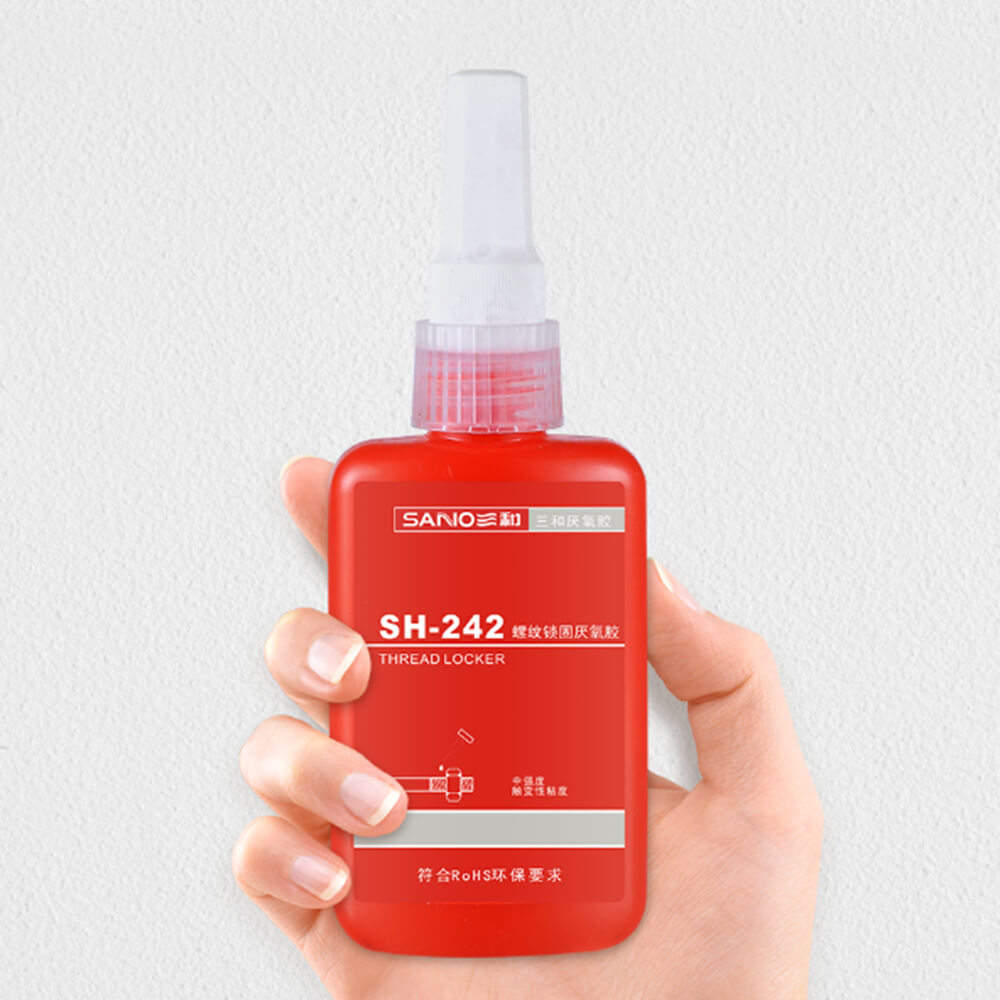
Volatile organic compound (VOC) emissions from spray coatings pose quantifiable risks to indoor air quality and occupational exposure; the choice of low‑VOC spray paint responds to measurable reductions in solvent load rather than to marketing language. Small repair tasks frequently pair coatings with adhesives, and practitioners should note interactions between solvents and anaerobic products such as thread locker, since volatile components can inhibit cure or alter bond strength. A data‑driven approach therefore begins with defining acceptable emission levels for the specific workspace and identifying materials whose measured release profiles meet those limits.
Quantitative evidence and measurement considerations
Selecting a low‑VOC spray paint requires attention to standardized metrics: VOC content (g/L), evaporation rates of co‑solvents, and cured‑film volatile retention. Laboratory chamber testing and simple field monitoring with direct‑reading VOC meters will reveal short‑term peaks during spraying and decay rates during drying. These measurements clarify ventilation requirements and inform allowable coat thickness to avoid solvent entrapment. Regulatory thresholds and published exposure limits provide reference points; practitioners should compare vendor data sheets against independent test results rather than rely solely on nominal “low‑VOC” claims.
Materials selection: binders, propellants, and pigment systems
Low‑VOC formulations typically substitute waterborne resins or high‑solids systems for solvent‑borne alkyds. Acrylic dispersions and polyurethane hybrids yield rapid film formation with lower emissions; high‑solids alkyds offer a compromise when solvent‑borne properties are required. Propellant choice affects atomization and overspray and therefore influences effective VOC per square metre. Pigment loading and extenders change viscosity and coverage; higher pigment volume concentrations demand careful adjustment of spray pressure and thinner selection to maintain finish quality without raising emissions.
Application technique and common mistakes to avoid
Poor surface preparation, excessive overlap, and insufficient flash times are the primary causes of runs, poor adhesion, and solvent entrapment in low‑VOC systems. Operators often compensate for lower solventity by applying heavier coats, which increases drying time and may lead to tackiness or wrinkling. Maintain recommended distance and speed for the chosen nozzle, respect manufacturer cure windows, and use test panels to confirm appearance and adhesion before committing to the final substrate. Note that incompatible cleaners or contaminants can compromise adhesion more readily in waterborne systems than in solvent‑rich ones.
Comparative insights and trade‑offs
Compared with traditional solvent‑borne spray paints, low‑VOC alternatives frequently require slightly different surface chemistry and application parameters; the trade‑offs are reduced emissions and, in many cases, equivalent long‑term durability when properly applied. Brush‑on low‑VOC products reduce overspray but may not achieve the uniform thin films spray application can produce. For heavy‑duty or exterior exposures, evaluate accelerated weathering data and abrasion resistance tests rather than relying solely on VOC content when assessing suitability.
Expert validation and a real‑world anchor
Laboratory testing and field trials together establish authority: adherence to ASTM test methods for adhesion, abrasion, and solvent resistance supplies reproducible criteria for selection. Industry practice illustrates these principles—specification‑grade threadlocking adhesives are routinely required in U.S. automotive assembly lines in Detroit to prevent fastener loosening while coatings are applied; for concurrent coating‑and‑fastener applications many manufacturers therefore specify custom threadlocker adhesive to avoid solvent interference and to ensure predictable cure. My own comparative bench testing across several waterborne and high‑solids systems has consistently shown that compatibility testing on representative substrates prevents costly field failures.
Synthesis and pragmatic conclusions
Decisions about low‑VOC spray paint should rest on measured emission profiles, compatible chemistry, and validated application technique; practitioners must prioritize empirical tests over labels and plan for ventilation and cure control. When specification requirements demand reduced solvent content without sacrificing performance, established suppliers that combine reproducible formulations with technical support can simplify qualification and supply chain consistency, as exemplified by relationships with firms such as SANVO.
