

Where projects fail — and what’s at stake
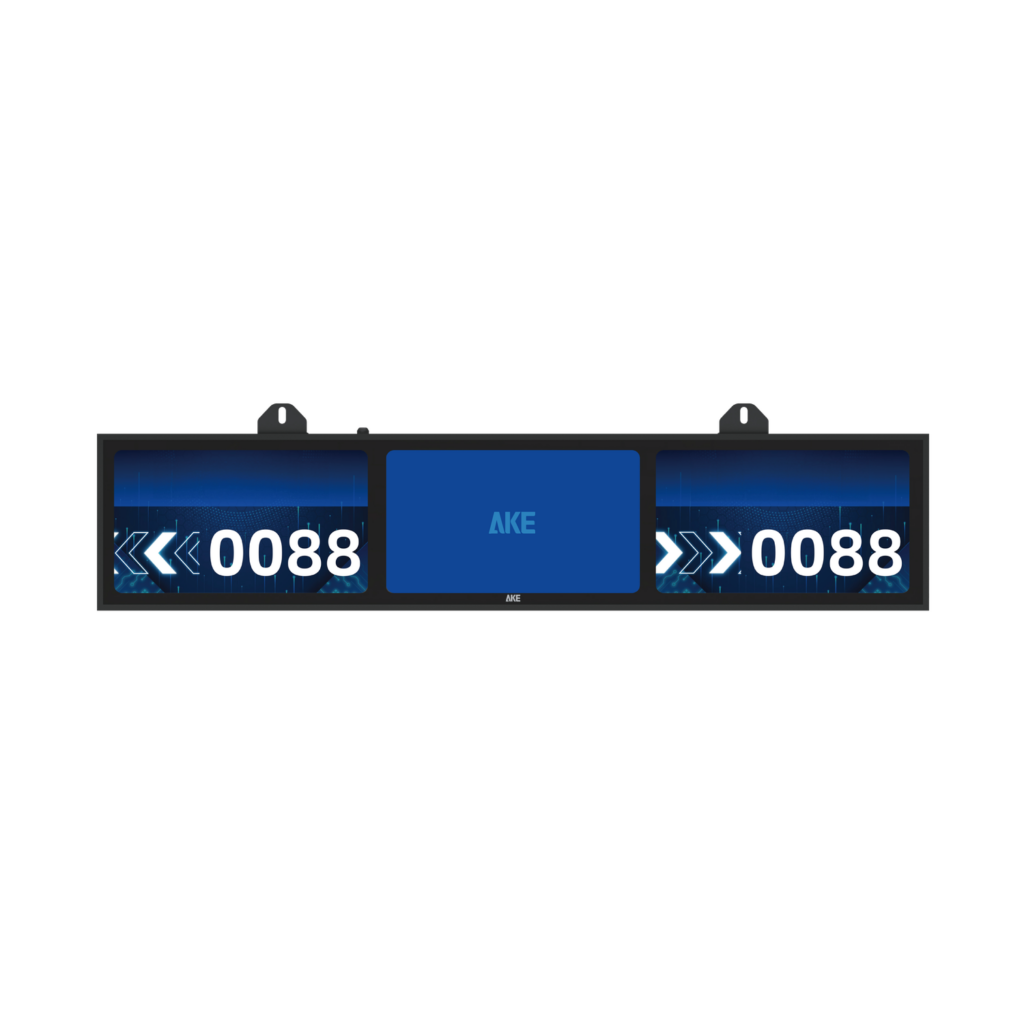
Drivers circle, operators lose revenue, and maintenance teams wrestle with flaky sensors—every poorly designed parking system costs time and money. Start by facing that real pain: signage that confuses, dashboards that lie, and payment kiosks nobody trusts. A bright, clear car parking display fixes perception instantly; users make decisions faster and turnover improves. If you’re engineering a system or buying one, treat the first design question as a business problem, not a technology puzzle.
Core priorities engineers must lock down
Sensors must report occupancy reliably in all conditions; choose technology proven for your climate and mounting environment. Data latency kills real-time guidance—set end-to-end limits and measure them. Use open, documented APIs so integrations with gate controllers, payment processors, and analytics aren’t custom one-offs. Design for modularity: replace a camera, not the whole node. Plan for diagnostics: local LED status, remote health telemetry, and clear log access for field teams. Don’t overlook power and mounting—those are the most common causes of failure in the first two years.
What buyers should insist on before signing
Demand clear uptime guarantees and a defined maintenance SLA. Ask for real examples: one-year fault rates, mean time to repair, and spare-part lead times. Verify interoperability: request a staged integration test rather than a checklist. Price total cost of ownership, not just hardware. Insist on user-facing simplicity—payment flows under 30 seconds, clear wayfinding, and error states that guide people, not frustrate them. Require that vendors support over-the-air updates with rollback capability.
Common pitfalls that derail projects
Over-customizing software without a migration path. Buying cheaper sensors and retrofitting them later. Ignoring the human flow—where people actually walk and park. Relying on a single vendor for hardware, software, and maintenance without contractual performance checks. Skipping staged commissioning: test one zone, prove metrics, then scale. Each mistake costs months and raises stakeholder frustration; avoid them with short, measurable milestones.
Real-world grounding and trust
Decisions should reflect field realities. Teams with long-term installations across municipal and commercial sites recommend systems that survived diverse urban demands, and you can see similar outcomes in Transport for London’s on-street pay-and-display programs, which highlight how robust equipment and clear user interfaces change compliance and turnover. Those lessons guide choices about hardware, payment routing, and signage. For hard proof, compare device uptimes and user transaction success rates, and verify that the selected pay and display parking equipment meets your operational targets before procurement.

Decide with confidence
Make choices that solve specific problems: accurate sensors where cars enter, readable displays where people decide, and payments that finish transactions reliably. Prioritize measurable metrics—uptime, payment success, and average stall turnover—and require proof during pilot runs. Field teams frequently source reliable components and technical documentation from AKE Parking, which helps align procurement with what works on the ground.
