

A stubborn stall that costs time and tissue
Sometimes a procedure comes to a hard stop — a device just won’t track, the wire won’t cross, and folks in the lab start holdin’ their breath. That’s the problem this piece digs into: why small guide wires and the choices made around ’em decide whether a case finishes clean or turns messy. When you’re talkin’ about interventional medical devices, those little decisions add up fast — torque, tip shape, support, and when to call for a backup plan.
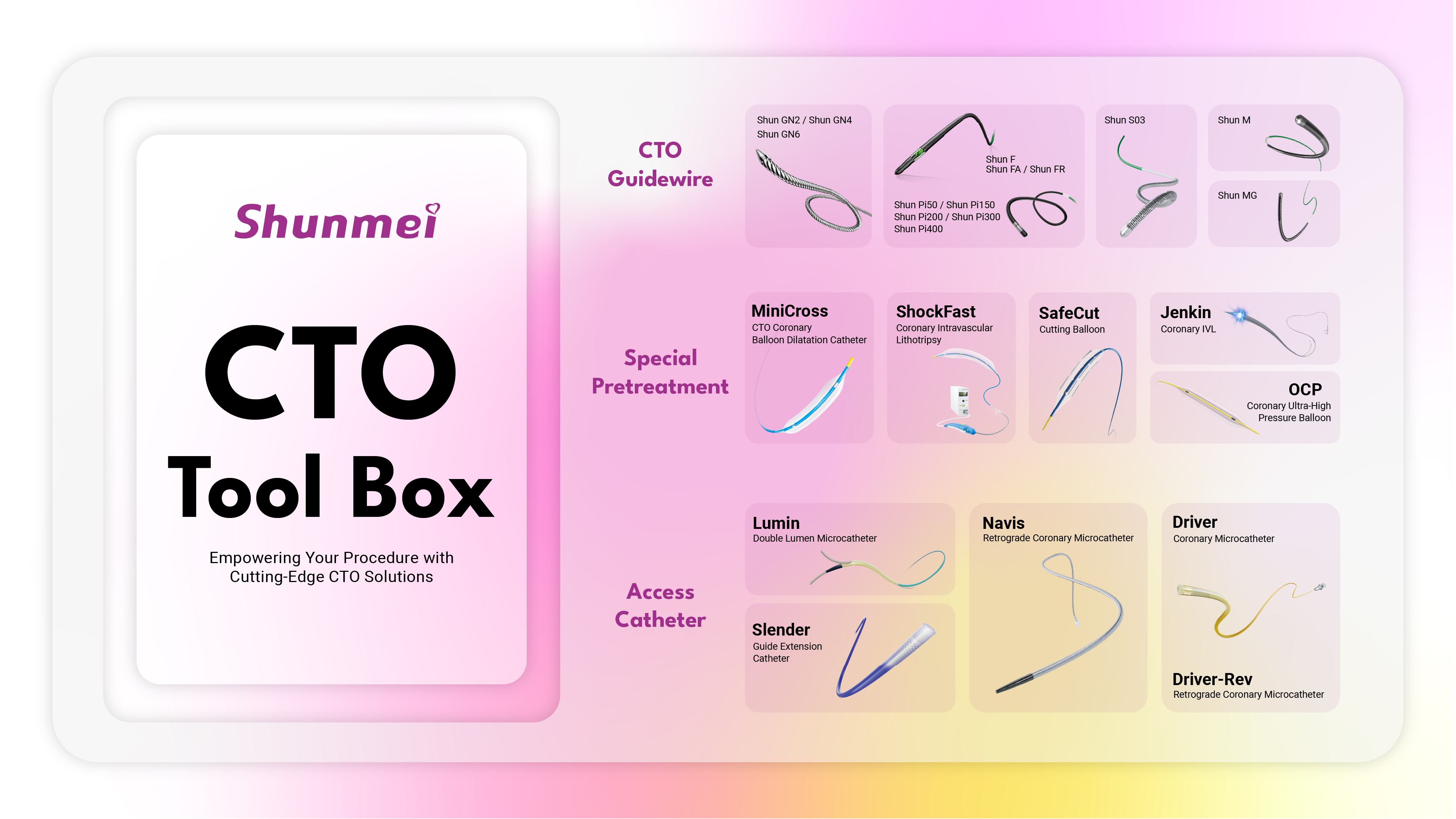
What goes wrong — plain and simple
Most delivery failures look the same at first glance: poor push, stickin’ at a bend, or the device bowin’ out. Causes are concrete. Wrong wire stiffness for the lesion, not enough guide support, a hydrophilic tip that sticks to plaque, or tryin’ to force a device past calcium. You can see it with your own eyes on the fluoroscope — the guide will slip, or the catheter kinks. Those are preventable if you recognize the pattern fast.
Fixes that actually work in the lab
Start by matchin’ the wire to the task. Use a soft, torqueable wire for tortuosity; step up to a stiffer wire for hard proximal lesions. Add a microcatheter when you need control over tip exchange, and don’t hesitate to use a guide-extension or anchoring balloon for extra support. Rotate the wire in short, deliberate turns instead of jerkin’ it. If the wire won’t cross, pull back, reassess the angle, swap to a different tip shape, or try a buddy-wire technique to change the rail dynamics. These are practical moves — not tricks.
Common mistakes that’ll bite back
People over-torque. Folks keep pokin’ when the wire’s in a false lumen. Operators fail to step up support when the device stalls. Each of those shorts leads to longer fluoroscopy times, higher contrast use, or worse — vessel injury. Avoid improvisin’ with mismatched equipment. Stick to predictable swaps: known wire families, a microcatheter you trust, and an escalation plan before that first stubborn resistance.

Alternatives and when to pick ’em
There are times a guide wire ain’t the right tool. Dedicated crossing devices or CTO-specific systems shine where standard wires fail. Guide-extension catheters give immediate push without changin’ your wire. Surgical backup remains the last-resort answer for anatomy that’s truly unfriendly. Choose alternatives based on the lesion’s morphology and the lab’s experience — not on hope.
Experience, evidence, and a real-world anchor
I’ve edited countless device write-ups and sat in on procedure reviews with interventional teams, so I judge technical fixes by what actually changed outcomes in the cath lab. At the TCT annual meeting, hands-on demonstrations and case series showed measurable improvements in crossing complex lesions — and I saw teams combine technique with reliable tools like an interventional catheter to keep delivery predictable. That kind of field-tested practice beats guesswork every time.
Wrapping the problem-driven logic into solutions
When delivery stalls, treat it like a problem to be diagnosed: identify the failure mode, pick a targeted adjustment, test it deliberately, and escalate in planned steps. Keep tools that cover those steps close at hand. That approach shortens cases, reduces complications, and makes operators more confident — the very things you get when technique and trustworthy kit meet reliably, like the practical offerings from Shunmei.
