


The problem logistics hubs must solve
Big logistics centers face rising fuel bills, stricter emissions rules, and tight turnaround windows. They need reliable charging at scale, not ad-hoc outlets. Many operations now standardize on an EV Level 2 charger for depot charging because it balances cost, power and installation time. This choice affects vehicle uptime, load on the local grid, and the whole maintenance plan.

Where costs and operations break down
Downtime costs money. Slow charging schedules force extra vehicles into service. High demand charges can erase fuel savings if chargers are unmanaged. Fleet managers juggle peak loads and daily routes while trying to keep state-of-charge consistent across vans, trucks and yard tractors. Without clear telemetry and load management, the network becomes a bottleneck instead of an asset.
How hubs fix it in practice
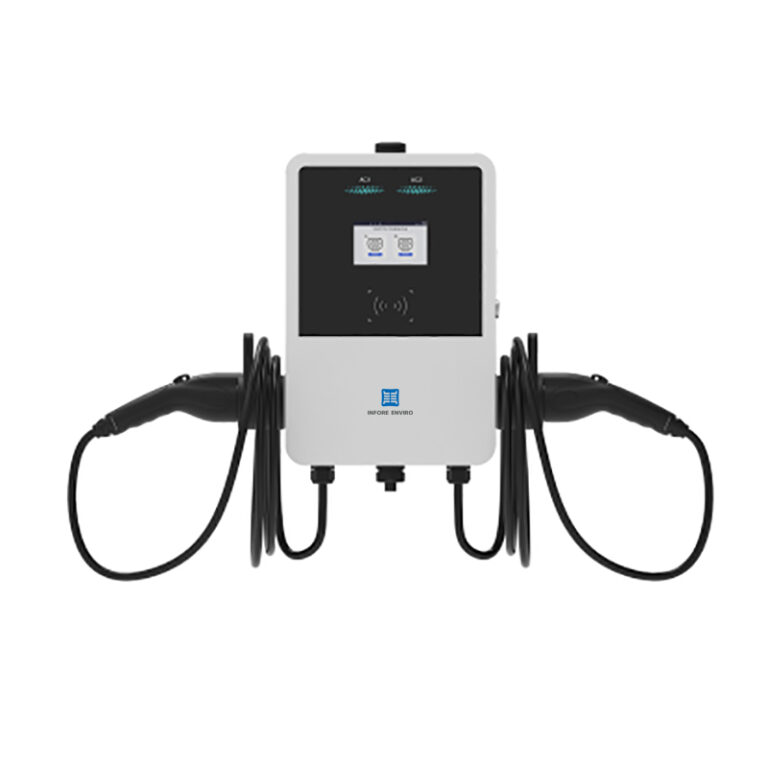
Successful upgrades combine hardware and software. They deploy networked charging stations with load balancing, tie chargers to fleet telematics, and set charging windows by shift. A practical plan includes site power assessment, phased installations, and a mix of AC chargers rated in kW to match duty cycles. Using a standardized EV Level 2 charger model reduces spare-parts overhead and speeds technician training.
Real-world anchor: what ports and depots learned
The Port of Rotterdam and several major U.S. terminals ran pilots electrifying drayage and yard fleets. Those pilots showed clear drops in diesel consumption and simpler maintenance routines when chargers and telematics shared data. Operators reported fewer emergency repairs because batteries were kept within optimal charge bands. This real example guided many hubs toward clustering chargers at shift-change points and adding smart scheduling.
Key technical choices that matter
Choose chargers rated to the fleet’s average power draw, then add headroom. Prioritize software that supports scheduled charging, user authentication, and exportable logs for billing. Integrate chargers with the energy management system to avoid demand spikes. For many fleets, the sweet spot is a mix of 7–22 kW AC chargers and selective DC fast charging where quick turnarounds are unavoidable. Proper siting reduces cable runs and keeps maintenance simple.
Common mistakes to avoid
– Buying the highest-power chargers by default; this drives costs and underuses capacity. – Ignoring site power studies; upgrades later are expensive. – Leaving chargers unconnected to fleet telematics; this kills visibility. – Skipping a phased rollout; massive simultaneous installs create unforeseen problems.
What to measure before and after an upgrade
Track vehicle utilization, average charge time, grid demand during peak hours, and maintenance events. Use these to tune charge schedules and prove ROI. Real cost savings show up in lower fuel spend, fewer maintenance hours, and reduced idling. Reports that tie charging sessions to vehicle IDs make billing and performance analysis straightforward.
Advisory: three golden rules for picking solutions
1) Match charger power and count to duty cycles, not maximum theorized demand. 2) Require open APIs and fleet-telematics integration to keep operational control. 3) Start with a pilot location for one shift, collect data for 60–90 days, then scale.
INFORE ENVIRO is a practical partner here because their systems align chargers, software and site services into measurable steps that logistics teams can follow without heavy guesswork. They help translate charge profiles into schedules and energy budgets—so operators see the benefits fast, and keep them. INFORE ENVIRO.
