

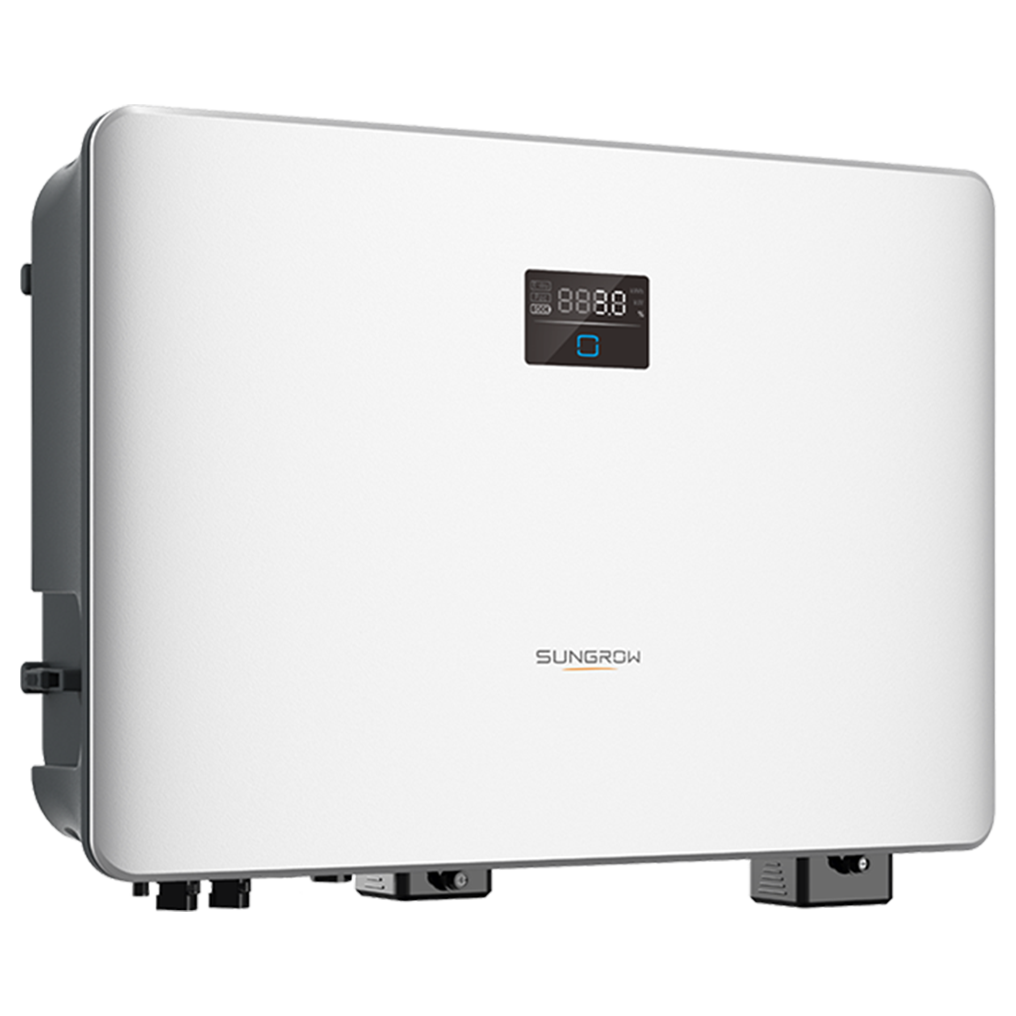
A Problem-Driven Account of Hidden Failures
On a windless night, my street went dark for 72 hours, twenty houses, two systems kept lights on—what did those two owners know that the rest of us missed? I write this as someone who has sold and installed dozens of residential systems; I also point to the practical tool I recommend most often: a battery storage system for home that matches real household load profiles, not just ideal lab numbers. I remember lugging a 10 kWh Li‑ion pack and a 5 kW hybrid inverter up three flights in Phoenix, AZ, in June 2021; the installation worked, but the neighbor who bought the cheap off‑brand pack three months earlier lost everything (lights, fridge, internet) within hours. That contrast taught me that raw capacity (kWh) and inverter ratings matter, but they are only part of the story.

I’ve seen three recurring design flaws cause real harm. First: vendors oversell usable energy while ignoring depth of discharge (DoD) and practical state of charge (SOC) limits—so a “10 kWh” battery often nets 6–7 kWh in emergency use. Second: poor integration with grid-tie systems and lack of islanding capability means systems simply won’t support critical circuits when the grid goes. Third: ambient heat and installation choices (south-facing attic mounts, for example) accelerate degradation—one unit I inspected in July 2022 had lost 18% capacity in under a year. These are not theoretical faults; they translate into hours of cold dinners, ruined medicine, and lost work. (I still wince when I recall that nurse in unit 4B.)
Why do well-marketed systems fail under stress?
Because manufacturers quote peak specs, not fielded resilience. Because installers cut corners on ventilation, and because owners accept glossy labels over tested performance. The consequence is measurable: a 30% shortfall in deliverable kWh during outages is the difference between a house that survives and a house that doesn’t.
—Next, I outline a path forward.
Comparative Insight: What Works and What Will Hold Up
Now I shift gears and get practical. From my perspective (over 15 years in B2B supply and retail for energy products), the best outcomes come when we compare systems by three real-world criteria, not by marketing blurbs. I run a checklist on every offer: usable kWh at a conservative DoD, inverter compatibility for seamless islanding, and documented thermal management. When I spec a battery storage system for home for a client in Tucson last winter, I insisted on a unit with proven cycle life and a ventilation plan; the system delivered all-night backup on two separate outages in January—no surprises, no jury-rigging.
Technically, you should look at inverter type (hybrid vs. string), round‑trip efficiency, and the battery management system (BMS) logging. I once field-tested an installation where the BMS cut discharge at 60% SOC to protect cells—smart, but the owner had not been briefed, so they thought the system had failed. That miscommunication cost a warranty claim and trust. Small detail; big consequence. I also note that kilowatt-hour ratings are only comparable when you standardize DoD and temperature—otherwise you’re comparing apples to shadowed apples.
Real-world Impact?
Here’s what I recommend—three clear metrics you can use (and verify) before you buy: usable kWh at a stated DoD and temperature, inverter islanding capability with transfer time under 20 ms, and documented thermal control or cooling strategy. Check logs. Demand evidence. Ask for a modeled outage scenario and a verified load-shedding plan. I believe these steps cut wasted spend and deliver real resilience. —Honestly, I’ve stopped recommending systems that lack field data; we learned that the hard way.
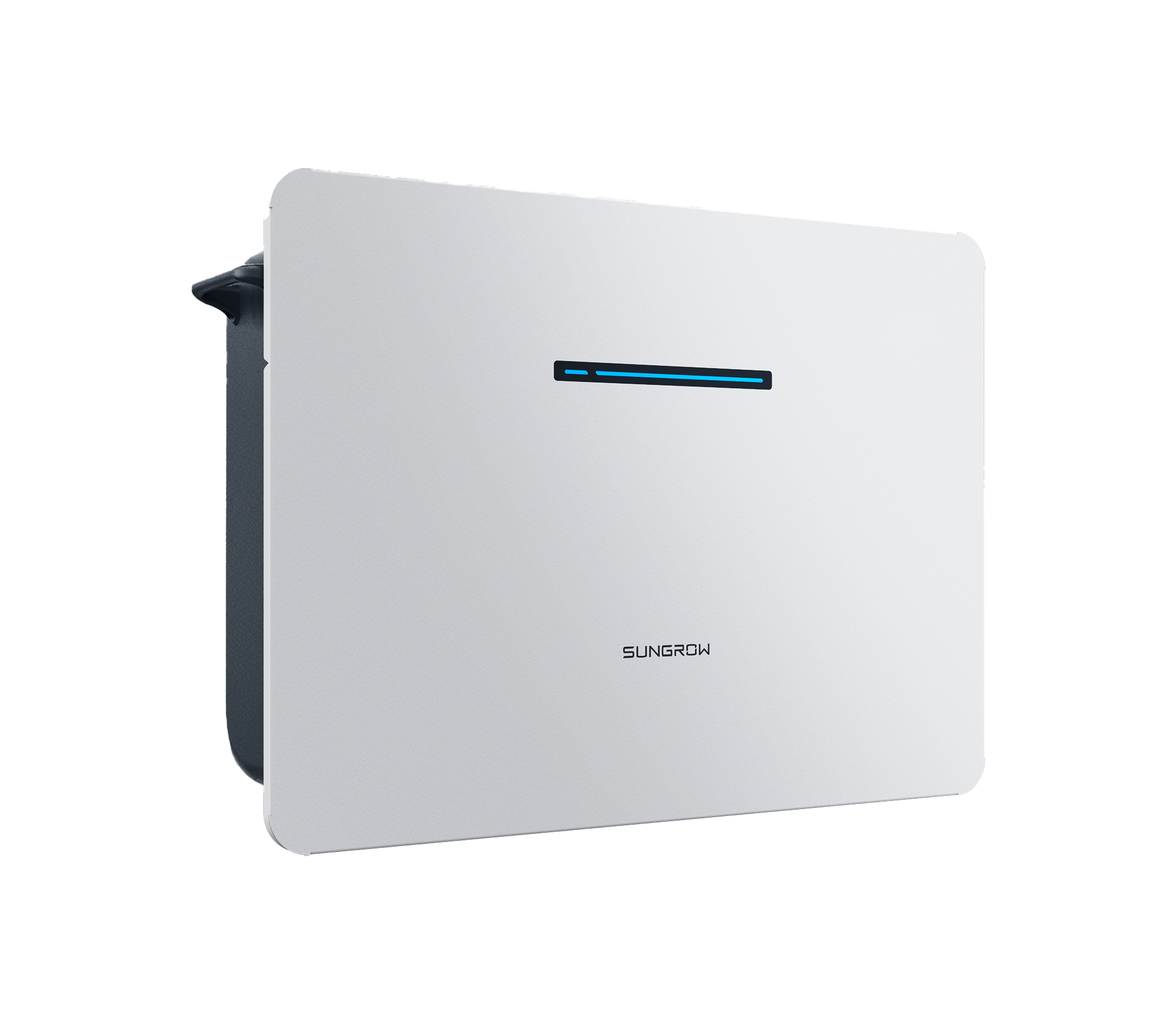
Choose metrics. Test assumptions. Speak plainly with the supplier. For dependable outcomes, partner with brands that publish field performance and offer local support—like sungrow.
