

Opening verse — the pulse that started the shift
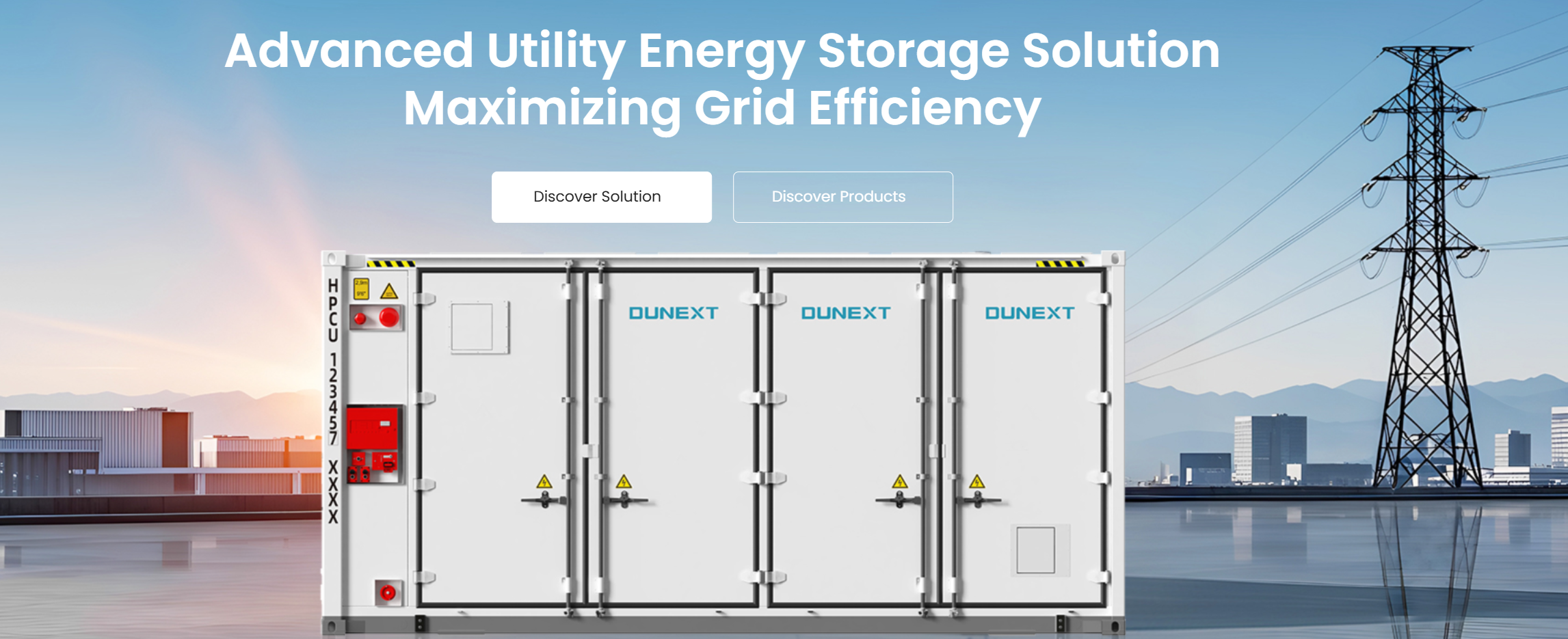
The first time a loading dock found itself humming along on stored power, the hum sounded like possibility. Facilities that once timed shifts around time-of-use rates began to hear a different tempo: resilience. That change often begins with straightforward choices about commercial and industrial energy storage — capacity that sits between portable UPS units and full campus-scale batteries, and that sings at roughly 233 kWh. This piece traces that evolution: why operators chose this scale, how it performed, and what practical moves let it flourish.
The turning point — a real-world anchor that made chiefs listen
When California’s 2020 public safety power shutoffs interrupted businesses, facility managers stopped treating backup as insurance and started treating it as strategy. That event pushed many toward mid-sized systems: big enough to carry essential loads through planned outages, small enough to fit inside existing electrical footprints. The pattern repeated across warehouses, clinics, and small data operations — a rapid shift from contingency to planned operational flexibility.
Where 233 kWh fits — clear use cases
Think of 233 kWh as a mid-tempo instrument: versatile, not overwhelming. Typical commercial and industrial roles include:- Emergency backup for critical circuits (lighting, POS, life-safety systems).- Peak shaving to blunt demand charges during afternoon spikes.- Short-duration load support for onsite processes or equipment during grid dips.- Buffering for EV chargers or shift-start motors to reduce instantaneous demand.- Seamless handoff from on-site generation for hybrid microgrids.In practical terms, a 233 kWh battery paired with a 50 kW inverter can sustain a 50 kW load for roughly 4–5 hours at full discharge, or provide higher power for much shorter bursts to cover startup surges.
Design choices that make the music coherent
Good design isn’t grand gestures; it’s smart tuning. Focus on three things:- Right-sizing: match battery kWh to the period you need covered and inverter kW to peak draw.- Depth-of-discharge and cycle life: choose chemistries and settings that meet daily cycling needs without accelerating replacements.- Controls and commissioning: ensure software profiles handle time-of-use arbitrage, demand response signals, and safe islanding.Operators often forget thermal management and space for maintenance. Those oversights create static: reduced performance and higher lifecycle cost. Also consider integration with existing generators — a 233 kWh system complements, rather than replaces, properly maintained gensets.
Commercial battery backup in practice — common pitfalls
Installing commercial battery backup feels straightforward until permitting, interconnection rules, or insurance reviews slow you down. Typical mistakes:- Underestimating site inrush currents and selecting too-small inverters.- Overlooking fire-safety clearances and local code updates.- Relying solely on vendor simulation without real load capture from the facility.Avoid these by documenting actual load profiles, involving the AHJ early, and testing islanding sequences under controlled conditions.
Alternatives and trade-offs
Don’t treat a 233 kWh pack as the only song in town. Options to weigh:- Larger battery banks: better for whole-building resilience but need more space and capital.- Generators: long-duration power but slower transfer and higher maintenance.- Demand-response programs: cheaper but unreliable during simultaneous grid stress.Combine tools: batteries shine at fast response and peak shaving; generators cover long outages; DR reduces operating costs when it pays.
Implementation roadmap — simple, practical steps
Move in a few measured bars:- Capture 14 days of real load and outage profiles.- Define critical circuits and duration goals.- Specify inverter kW and battery kWh with safety margins.- Validate controls for islanding, charge schedules, and telemetry.- Commission with staged load transfers and document results for insurers and operations.Post-install, schedule quarterly checks on BMS trends and an annual capacity test. That discipline keeps the system performing and the business predictable.
Final cadence — why this scale matters now
The 233 kWh system hits a pragmatic note: big enough to change operations, small enough to fit into current spaces and budgets. Facilities that adopted it learned to balance cost, duration, and responsiveness; they rehearsed integration, avoided the usual missteps, and achieved reliable performance without overbuilding. The result is a cleaner, quieter resilience — an operational harmony many managers now prefer, one that organizations like Dunext help translate into long-term, dependable practice.
