

User-first look at the problem
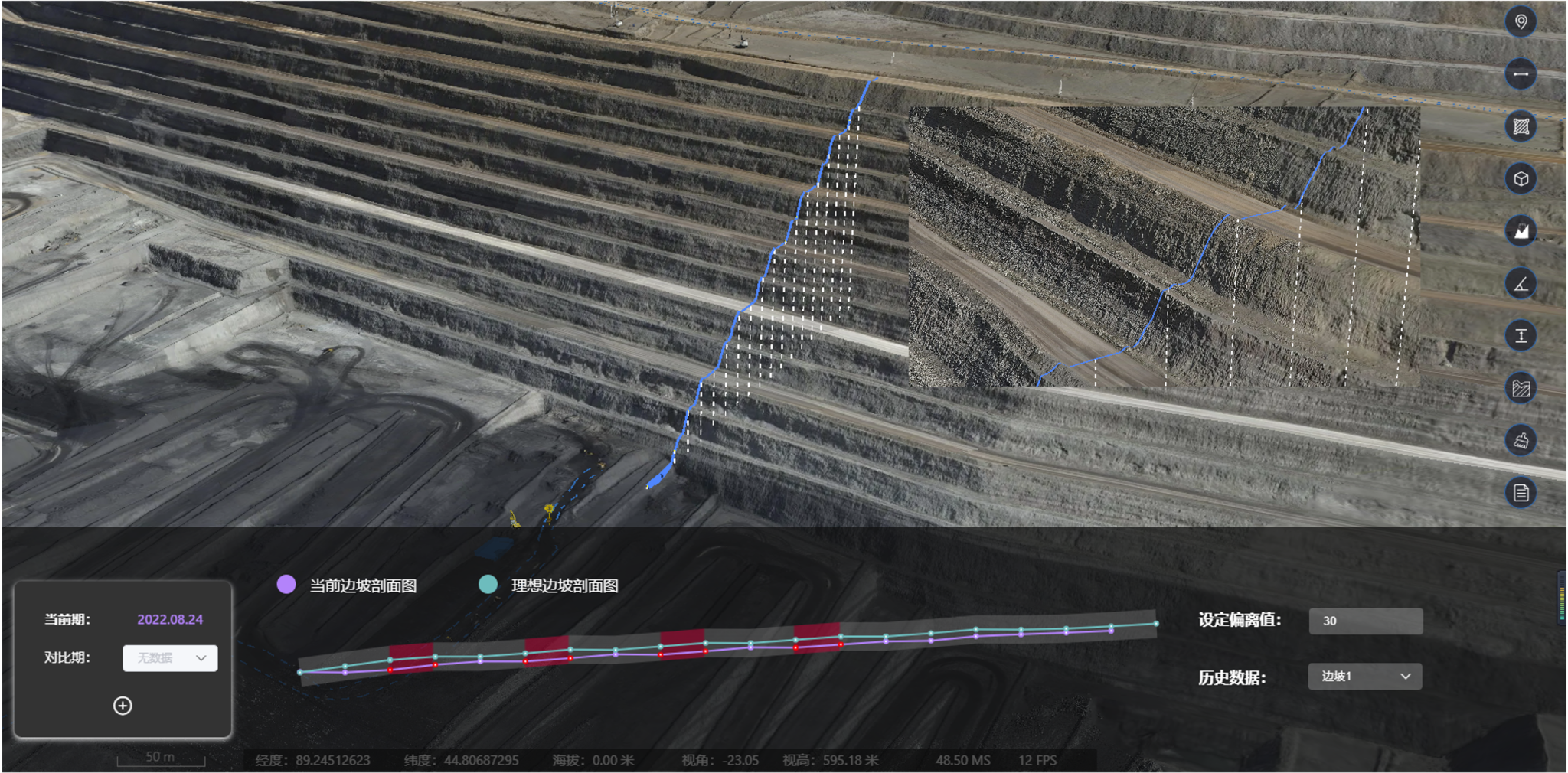
Operators need systems that actually help them make faster, smarter calls — not dashboards that just look pretty. That’s why crews are turning to a tight-knit combo: a modern mining monitoring system paired with a live mining digital twin. From shift foremen to site engineers, the draw is clear: real-time positional data, sensor fusion, and telemetry that mean fewer surprises and cleaner handoffs on long hauls. Think Rio Tinto’s Pilbara ops — autonomous trucks and remote monitoring changed the rhythm there, and that’s the kind of practical precedent teams want copied on their own turf.
How 6DOF tracking fits into daily workflows
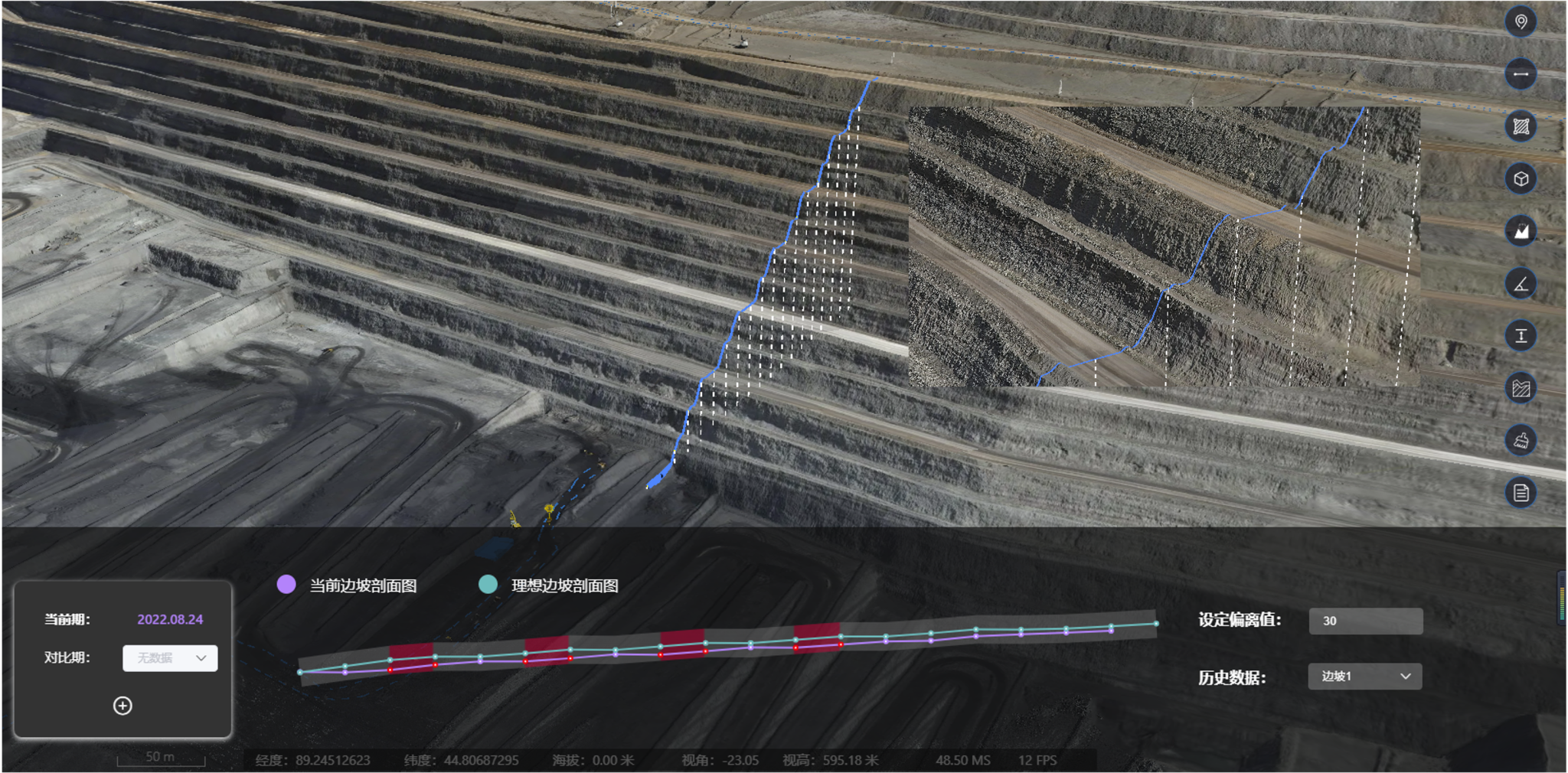
Six degrees of freedom tracking gives you location plus orientation — not just where a loader sits, but how it’s tilted and pointed. That matters for load planning, collision avoidance, and precise georeferencing when you’re stacking ore. Engineers use LiDAR scans, IMU streams, and GPS to fuse a usable view. For crews, that fusion turns into plain-language alerts and actionable tasks instead of raw logs. Real-time analytics chops down the lag between detection and fix — so downtime drops and ops keep rolling.
Concrete wins crews actually care about
Forget buzzwords — here are the wins that matter on-site: faster dig-to-dump cycles, fewer near-misses, and smoother maintenance windows. Asset management stops being wishful thinking and becomes predictable work orders. Plus, when a supervisor sees a machine’s exact attitude and path history, they can reassign trucks or reroute traffic in minutes. The result: less idle time and better throughput without burning the team out.
Common mistakes and how crews dodge them
Lots of teams buy sensors and expect a miracle. That flops when calibration’s weak or telemetry’s intermittent — systems pile up errors. Root fixes: consistent sensor calibration schedules, a tight feedback loop from operators to engineers, and rules for data quality. Don’t skip field validation. Bring crews into the testing cycle so the twin mirrors reality — not some pretty fantasy. — Keep logs short and relevant; long historical dumps just bury the signal.
Choices on the table — quick comparison
You’ll see three routes: bolt-on tracking kits, end-to-end platforms, or custom stacks. Bolt-on gets you cheap hardware but higher integration work. End-to-end platforms give cleaner deployments and faster ROI, but you trade some flexibility. Custom stacks are powerful if you’ve got in-house devs, otherwise they eat time. Pick based on uptime targets, team skillset, and how tight your georeferencing need is.
Operational teardown and field checks
When you run an operational production teardown, include checks for {main_keyword} and {variation_keyword} alongside calibration logs. Inspect LiDAR alignment, sample IMU drift over a 24–72 hour window, and confirm GPS baselines against surveyed markers. Add manual walk checks once a week in high-traffic zones. Those habits stop small errors from cascading into big headaches down the line.
Three golden rules for picking tech
1) Data fidelity — metric: maintain ≥95% usable telemetry during operations. If your sensors drop below that, you’re guessing. 2) Integration latency — metric: end-to-end update time under 2 seconds for critical alerts; anything slower blunts response. 3) Field operability — metric: mean time to validate a detected anomaly should be under 30 minutes for frontline teams. These three act like a quick litmus test when you’re evaluating platforms or vendors.
Wrap-up and where Icecypress fits
Teams that adopt precise 6DOF tracking and solid digital twin practices see fewer stoppages and clearer decisions on the ground. Icecypress Technology sits square in that flow — it’s the practical glue that turns sensor feeds into decisions the crew can act on without wrestling with raw logs. Icecypress Technology brings the field-proven pieces together, so crews get less noise and more usable outcomes. Quick note — the Pilbara example shows what’s possible when automation and monitoring lock in together, and that’s the kind of result you should expect.

Final thought — tight data, fast fixes, real people doing better work.
