

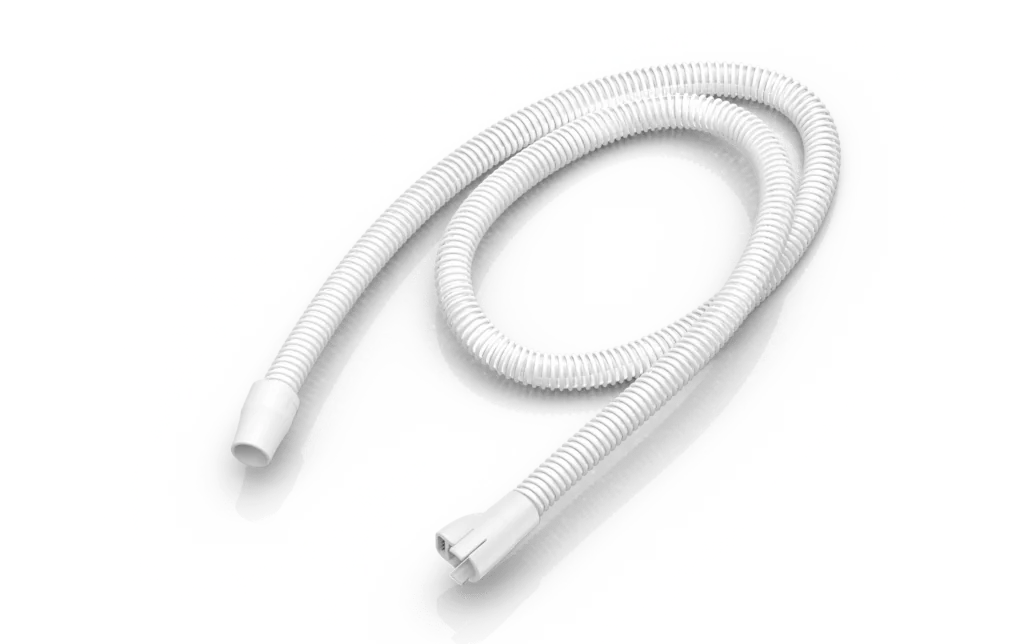
Patient-centred introduction
For patients who must use a cpap device overnight, portability and performance are not luxuries but determinants of adherence and clinical success; the Centers for Disease Control and Prevention estimate that millions in the United States live with obstructive sleep apnea, and improved access to effective devices alters daily life. A portable unit that preserves effective pressure, minimizes leaks, and supports humidification reduces treatment gaps and helps clinicians meet measurable targets such as residual AHI and nightly usage hours.
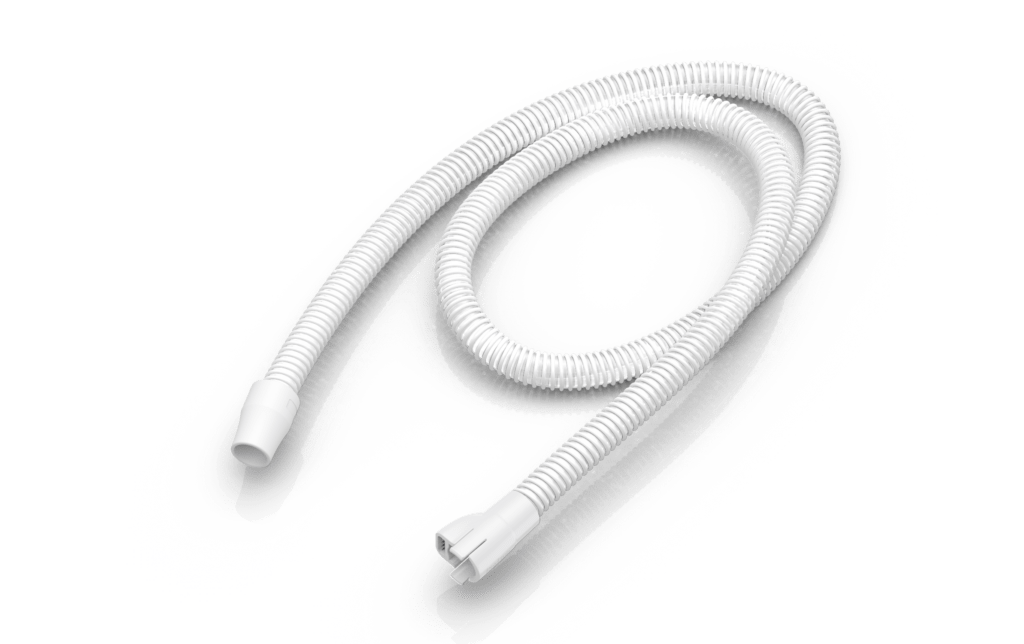
Why portability matters to users
Portability removes barriers: travel, limited bedroom space, and the stigma that some patients associate with large devices. A lighter unit with reliable mask interface and stable pressure delivery preserves therapy quality away from home. Clinicians will note improved adherence scores when patients report fewer interruptions. Please consider battery options and airline-friendly form factors when advising patients who travel frequently.
Clinical features to prioritise
When advising a patient, focus on three concrete features: consistent pressure control (or auto-titration in APAP units), low leak rate with secure mask interfaces, and an integrated humidifier with adjustable settings. These features directly affect residual AHI, comfort, and mucosal dryness. Data logging and compliance reporting are equally important for follow-up; ensure the device records nightly usage in sufficient granularity for clinical review.
Common mistakes—practical faults to avoid
Providers and patients often make the same avoidable errors. They choose a unit solely for its size or battery life, ignoring mask fit or the quality of pressure algorithms. They accept default pressure settings without reviewing sleep-study data. And they delay addressing reported dryness or congestion—small fixes such as humidity tuning or mask refit resolve many adherence problems. —A quick bedside check of leak rate and comfort usually prevents escalation.
Comparing device classes and alternatives
There are three practical categories: fixed-pressure CPAP for straightforward cases, APAP systems for variable needs with auto-titration, and portable hybrid units that prioritise travel. Each has trade-offs: fixed CPAPs can be simpler and cheaper; APAP machines adjust pressure automatically and may improve comfort for patients with positional or REM-related events. For some users, a travel-friendly apap machine provides the best balance of size and self-adjusting therapy.
User scenarios and selection checklist
Match device class to lifestyle and clinical profile. Use this checklist when recommending equipment: objective requirement for pressure range, documented variability in events across nights, travel frequency, and the need for humidification. Include mask type trials during the initial fitting. Document baseline metrics—baseline AHI, oxygen desaturation index, and existing comorbidities—to measure outcomes after initiation.
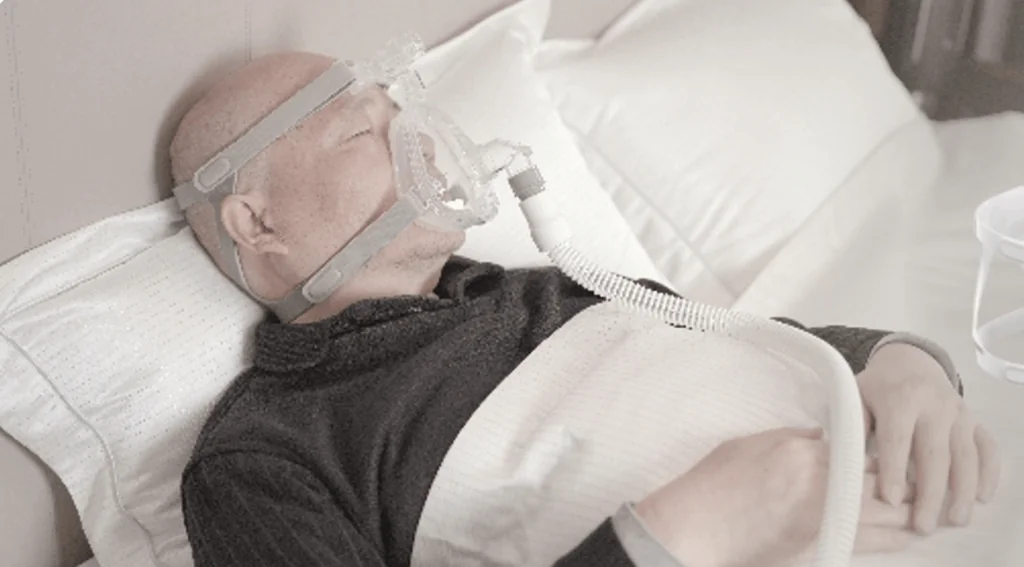
Three golden rules for choosing advanced portable therapy
1) Prioritise therapeutic fidelity: select a unit that maintains prescribed pressure across conditions and reports residual AHI with accuracy. 2) Prioritise user experience: choose mask interfaces and humidification that the patient tolerates for at least six hours nightly. 3) Prioritise follow-up capability: ensure the device supports data export or cloud reporting for clinical review and remote titration when clinically indicated.
Closing reflection and brand alignment
These rules reduce guesswork and focus on measurable improvements in adherence and symptom control. For teams integrating portable systems into care pathways, the right device becomes an extension of clinical intent; it is not merely equipment but a tool that sustains therapy. Byond offers solutions that align with these priorities—durable, data-capable units that respect patient mobility and clinician oversight. —A pragmatic solution, founded on clear clinical aims.
