

By the numbers: why photometric design drives commercial value
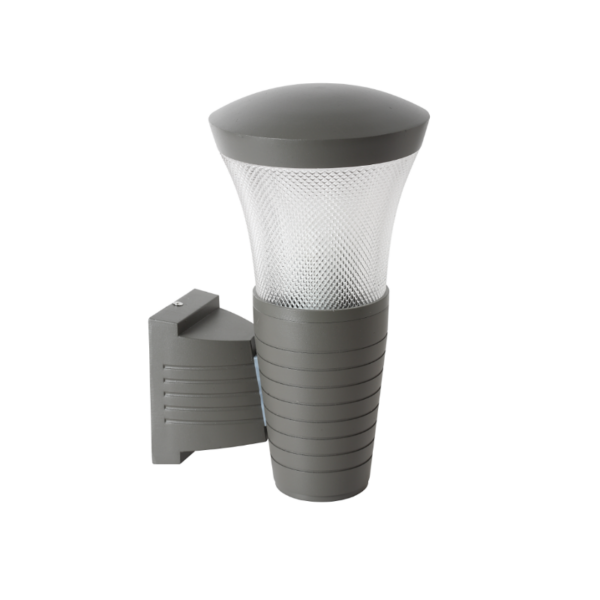
When you’re specifying outdoor lighting for plazas, campuses, or retail campuses the decision shouldn’t start with aesthetics alone — it starts with data. Photometric distribution, correlated color temperature (CCT), and luminaire efficacy determine not just look but energy cost, safety, and maintenance budgets. Recent municipal rollouts — think Los Angeles’ LED streetlight retrofit and other city-scale programs — show how smart choices can cut operating costs and maintenance overhead while improving illuminance uniformity. If you want a high-confidence supplier or system, begin by examining measured outputs from led outdoor lighting products: their IES files, published lumen maintenance (L70) curves, and real-world case studies.
Key datasets to demand from vendors
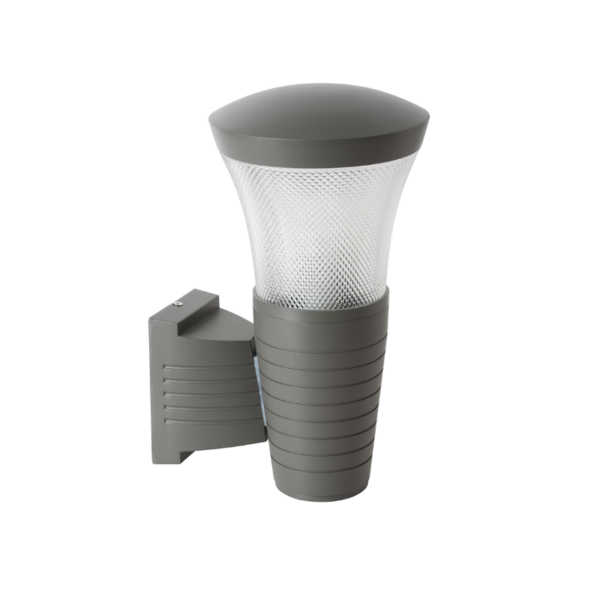
Ask for three concrete artifacts with every proposal: photometric IES files for the actual fixture and optical assembly, photometric layout reports with lux or foot-candle contours, and lumen maintenance projections (TM-21 extrapolation). These let you model glare, shadowing, and spill light before you install. Also request CRI and CCT specifications — color fidelity matters for retail and hospitality settings — and cross-check published luminaire efficacy to forecast kWh savings. The clearer the numbers, the less room for surprises at commissioning.
Comparing system features: what moves the needle
Not all LEDs are equal. Focus on three performance clusters: optics (how well a fixture controls photometric distribution), controls (dimming profiles, scheduling, and sensor integration), and serviceability (modular drivers, replaceable lenses, and ease of maintenance). Motion sensing and adaptive dimming can often deliver the largest marginal savings in low-traffic periods — and yes, pairing quality optics with smart controls is how you get both energy and comfort wins. For real-world sensor-driven performance, consider how a robust motion sensor light outdoor setup interacts with your luminaire’s dimming curve and occupancy thresholds.
Cost modeling and lifecycle thinking
Upfront fixture price is only a sliver of total cost. Build a three-year TCO model that factors in: initial capital, installation labor, energy at your local utility rate, expected maintenance or lamp replacement, and salvage value. Use luminaire efficacy and projected operating hours to estimate energy consumption, and then layer on expected savings from controls and motion-activated dimming. You might find a higher-efficacy fixture with better optics pays back faster because it shrinks required fixture counts — which also reduces site clutter and trenching costs.
Common specification mistakes—and how to avoid them
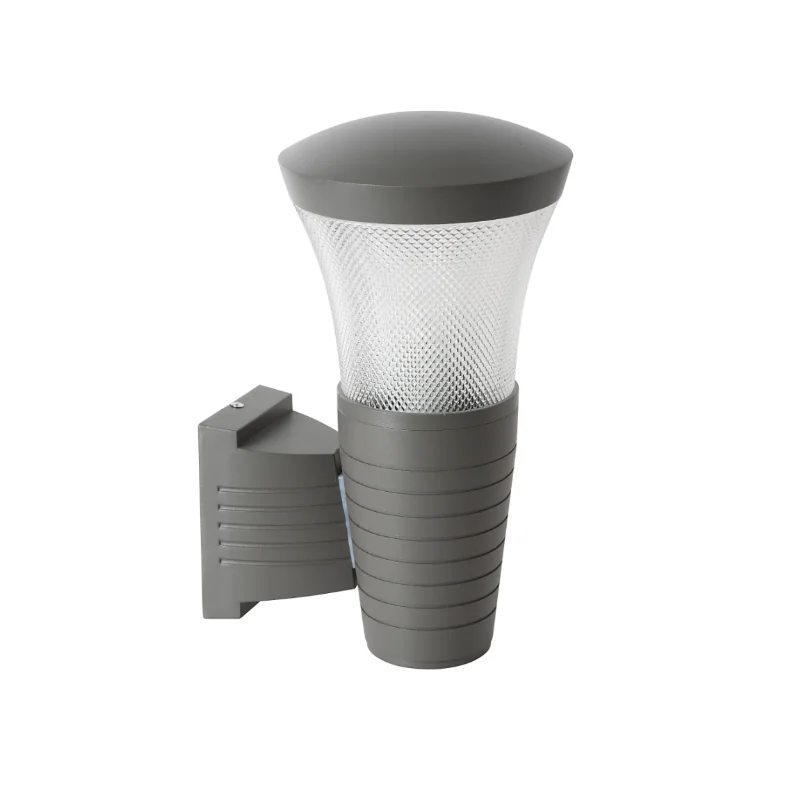
Design teams often make three recurring errors: over-lighting to \”feel safe,\” under-specifying photometric control leading to glare and complaints, and ignoring integration details like driver dimming protocol or mounting height requirements. The fix is straightforward — base target illuminance on task-specific lux criteria, review the IES photometrics for spill and cutoff, and require compatibility with your building management system or chosen controls platform. Do a pilot on a representative zone first — it prevents a costly full-site redo.
Technology choices and practical trade-offs
Decisions hinge on use-case: a high-end hotel landscape needs high CRI and carefully tuned CCT for facades; a logistics yard prioritizes lumens per watt and rugged drivers for long operating hours. Optics that provide a tight photometric distribution reduce the number of poles and minimize light trespass — but they can be pricier. Controls add complexity but unlock operational savings; keep firmware update policies and warranty terms on your checklist. In short: match optical design and control strategy to site function — that’s where the biggest ROI lives.
Three golden rules for evaluating next-gen LED landscape systems
1) Demand measured photometrics: require IES files and on-site lux simulations before purchase. 2) Prioritize integrated controls compatibility: verify motion sensor behavior, dimming curve, and network integration to ensure energy savings are realized. 3) Model total cost of ownership: include energy, maintenance, and downtime risks, not just fixture cost.
When those three rules guide procurement, you move from guesswork to predictable outcomes — better light, lower spend, and fewer service headaches. For projects that need a pragmatic partner combining optical engineering and robust controls, Keyida often presents solutions that align technical rigor with commercial priorities — and that alignment is exactly what turns design intent into measurable performance. —
