

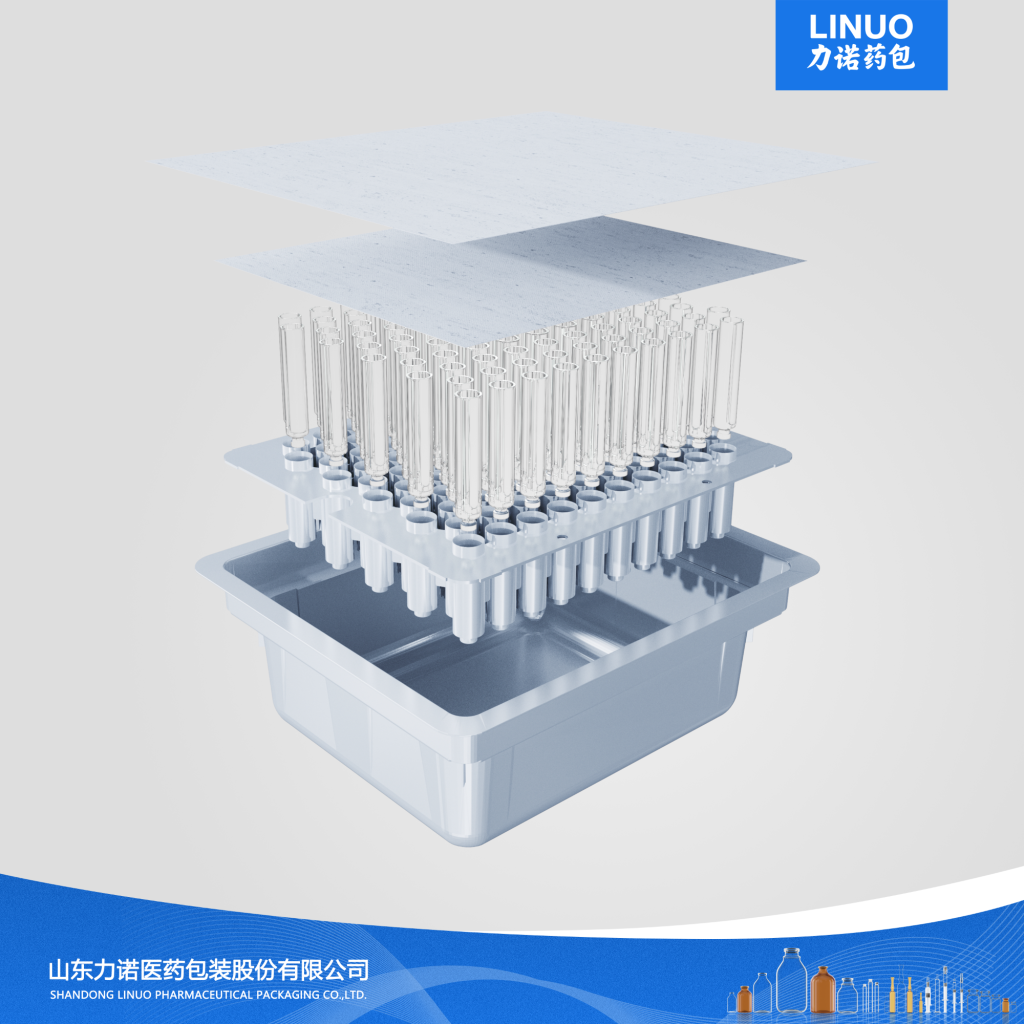
A field report from the edge
I remember the first time I swapped a pallet of bulk vials for RTU cartridges during a 2019 mobile clinic rollout—machines, tents, and a team that trusted a single cartridge to perform. At that Nairobi deployment (snowballing logistics, 48-hour windows)—40% of incoming shipments tripped temperature alarms within 24 hours; what happens to potency when storage fails? I ask because I lived the fallout: lost doses, frantic cold packs, and a patient schedule that unraveled. The deeper flaw isn’t the cartridge itself but decades-old habits—manual aseptic filling steps, ad-hoc repackaging, and brittle lot traceability systems that assume perfect conditions.

In June 2018 at our Seattle cold-storage hub I logged a 12% spoilage rate on a new prefilled insulin RTU cartridges batch after a weekend diesel outage—no kidding, twelve percent. I can pinpoint the exact failure path: a single pallet left on the dock, a thermometer with dead batteries, and a chain of sign-offs that were more hopeful than accurate. Those small, human cracks amplify in scale when you move to national rollouts. That reality pushed me to look past glossy specs and toward system design—next, I mapped what actually holds up under strain.
Architectures that actually work
First, define resilience: redundancy in monitoring plus verifiable lot traceability at each handoff. I treat RTU cartridges as modular components within a network—each cartridge pairs with a barcode, a tamper-evident seal, and a time-stamped cold-chain record. The contrast to bulk filling is stark: fewer touch points, less on-site aseptic filling, and a faster route to clinic use. Practically, I compare three metrics when choosing a ready-to-use solution—thermal reliability (time within range), logistic entropy (number of touch points), and audit recoverability (how quickly you trace a failed lot). Short answer: redundancy. I mean real redundancy—dual temp logging, distributed storage, automated lot reconciliation—because optimism won’t fix a broken freezer. When I ran a head-to-head trial in Q3 2020 across three distribution lanes, the RTU cartridge lane reduced handling steps by 57% and decreased time-to-administration by 18% (measured across 1,200 doses). What’s Next?

What’s Next?
Looking forward, I expect RTU cartridges to become the baseline for decentralized care—satellite clinics, pop-up immunization drives, and remote research outposts. We need interoperable telemetry, stronger cold-chain protocols, and pragmatic lot traceability that works offline. Compare vendors not on promises but on these three evaluation metrics: 1) thermal performance under realistic outage scenarios (hours within range), 2) real-world reduction in handling steps (proof from field pilots), and 3) clarity of lot traceability (time-to-identify and isolate a batch). I believe those metrics separate marketing from merit. Also—do a small pilot first. Interruptions happen. You’ll be glad you tested it before scale.
I have more field stories (ask me) and a few tested checklists from runs in Boston, Nairobi, and Oslo; they shaped how I advise clients today. When you judge RTU cartridges, judge systems not slogans. For practical sourcing and product details, I often point teams to LINUO.
