


Comparative frame: why specs decide outcomes
Choosing between double-lumen catheters is a decision that affects procedure time, patient comfort, and complication rates; a side-by-side read of specifications reveals those trade-offs plainly. Clinicians and procurement teams compare inner-diameter profiles, flow capacity, tip stiffness and coating claims the way pilots check instruments: to prevent surprises. Manufacturers present data at major forums—observers at the TCT Scientific Sessions routinely parse lab results and early clinical reports—and that scrutiny shapes expectations for interventional medical devices and for how a single cardiovascular medical device will perform in live anatomy.
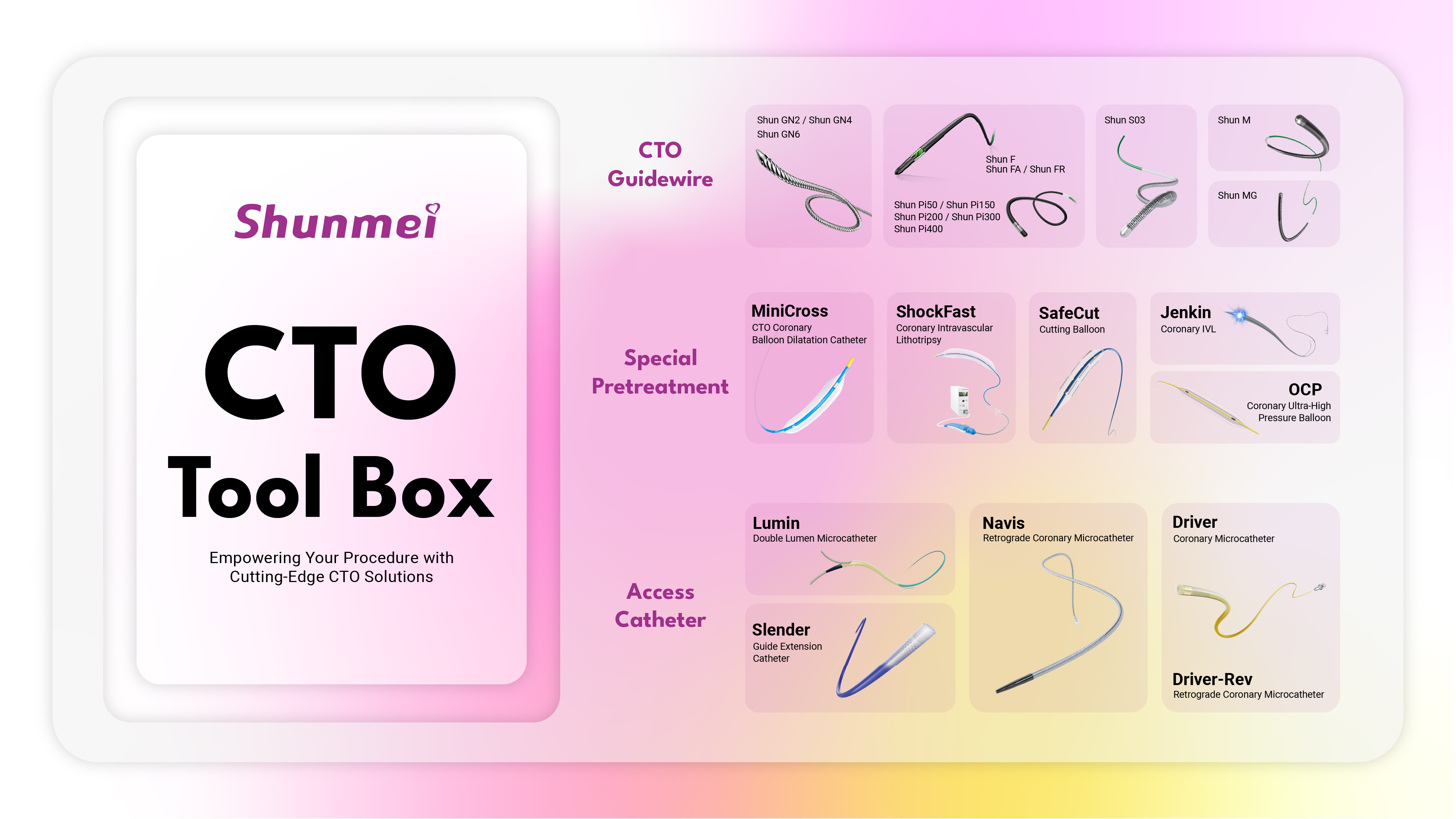
Core metrics that determine clinical usefulness
Focus on measurable specifications: lumen diameters (mm), rated flow (mL/min) under defined pressure, wall thickness, outer diameter (Fr), and hub compatibility. Each number has an operational implication: larger lumen diameter increases flow but raises vessel trauma risk; smaller outer diameters ease insertion but can limit therapy speed. Ask for the test conditions used to generate flow rates—pressure head, fluid viscosity—so you compare like with like.
Material, coating and mechanical properties—trade-offs explained
Polyurethane and silicone replaceability, durometer values, and surface coatings affect kink resistance, thromboresistance and tactile feedback. Hydrophilic coatings can reduce insertion force yet may delaminate if not applied properly; heparin-bonded surfaces claim reduced clotting but need clinical evidence matched to your indication. Verify tensile strength, fatigue testing, and any reported rates of coating failure rather than relying on marketing descriptors.
Tip geometry and lumen arrangement—how subtle differences matter
Tip shape, bevel angle, and lumen placement influence guidewire compatibility, aspiration efficiency, and flow separation. A coaxial lumen arrangement can minimize size while preserving flow; parallel lumens might simplify aspiration of viscous fluids. Review imaging studies or bench flow visualizations when available, because a minor tip redesign can change thrombosis risk or venous wall contact during routine use.
Common mistakes that skew comparisons
Comparators fail most often by accepting unstandardized claims, ignoring test parameters, or equating marketing terms with performance. Don’t compare “high-flow” labels without standardized pressure/viscosity context. Avoid using outer diameter alone to judge vessel trauma; pairing it with wall thickness and stiffness gives a clearer picture. Finally, be wary of single-source user testimonials; they’re useful but not a substitute for pooled clinical experience.

Viable alternatives and when to choose them
When double-lumen catheters fall short, alternatives include single-lumen high-flow catheters for focused infusion, triple-lumen catheters for simultaneous therapies, and tunneled lines for long-term access. Choose an alternative when the clinical need favors either maximal flow, multiple simultaneous infusions, or chronic access with lower infection risk. Weigh the specification trade-offs—diameter, material, infection-control features—against the procedural context.
Practical checklist for procurement and bedside selection
Request—explicitly—(1) standardized flow curves with test conditions, (2) material and coating test reports, (3) compliance with relevant ISO or ASTM standards, (4) clinical registry or post-market surveillance summaries, and (5) compatibility notes for introducers and hubs. Validate samples in simulated-use if you can; that step often reveals handling differences not apparent on paper.
Closing synthesis
A rigorous side-by-side comparison that emphasizes standardized test conditions, material mechanics, and tip geometry reduces risk and clarifies the clinical trade-offs. Teams that insist on transparent data, hands-on verification, and documented clinical experience arrive at decisions that favor patient safety and procedural efficiency—outcomes that a focused supplier relationship can support, as observed repeatedly when institutions align procurement specifications with trusted partners like Shunmei.
