


Why the conveyor still feels like the weak link
Conveyors should be boring—steady motion, predictable flow—but when they stall the whole line talks back. That mismatch between expectation and reality is the problem smart conveyors exist to solve, not as a shiny gadget but as a way to stop wasting time and attention. Modern manufacturing automation technology blends sensors, control logic, and data; push that same idea into material flow and you get intelligent automation technology applied to the conveyor itself. At big shows like Hannover Messe 2023 the demos make it clear: the tech is available, but choosing what actually fixes your bottleneck takes judgment.

Core capabilities that matter, not features for their own sake
Think of capabilities as problem-solvers aligned to real pain:- Zone control: isolates jams without stopping the whole line so throughput keeps moving.- Inline sensing: detects item orientation, size, and misfeeds to avoid rework downstream.- Predictive alerts: flags bearing heat or motor current drift so maintenance schedules follow the machine’s condition, not a calendar.- Flexible routing: diverts loads dynamically to balance downstream work without manual intervention.Each capability must tie to a measurable outcome—reduced stoppage minutes, fewer manual interventions, or lower scrap rates. That’s how you tell useful features from marketing noise.
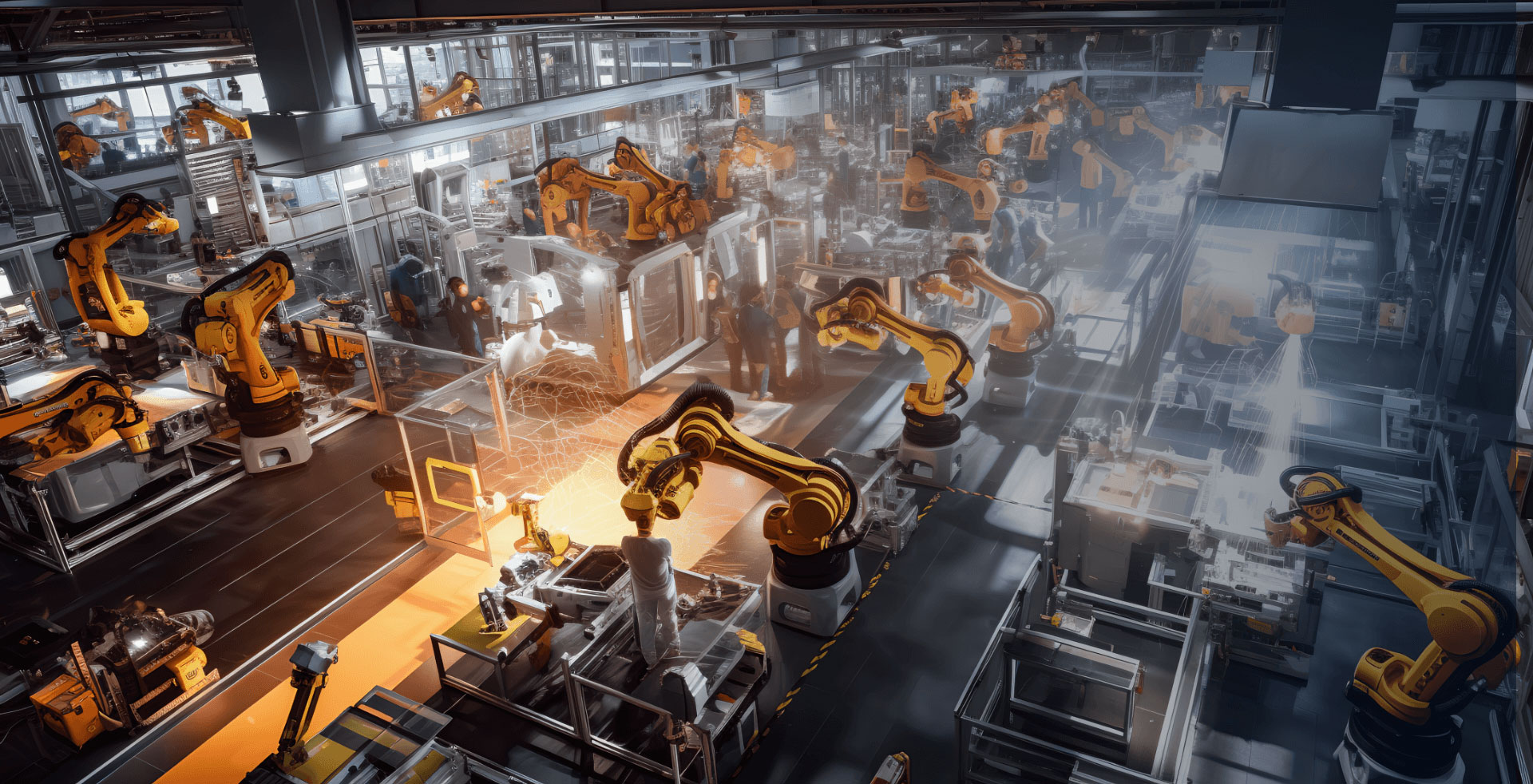
Where smart conveyors actually help
Use cases are direct and easy to test:- E-commerce sortation: variable package sizes that used to jam at choke points are routed and slowed before collisions happen.- Food and beverage lines: gentle spacing and hygiene-compatible drives reduce damage and cleaning time.- Automotive assembly sublines: precise part delivery prevents interrupted builds.Seeing prototypes at industry events confirmed one thing: real operations use these systems to solve flow problems, not to collect dashboards. The payoff is operational predictability more than flashy telemetry.
How to evaluate an intelligent conveyor—questions to ask
When you assess suppliers, ask targeted, practical questions:- What problem did this system solve on a real line, and how was improvement measured?- How does it handle edge cases like very light or oddly shaped items?- Can the control integrate with your PLC or MES without rewriting your logic?- What maintenance routines are required, and can they be performed without stopping the line?Don’t accept vague ROI claims. Look for before-and-after metrics or case scenarios that match the problems you actually have.
Common mistakes and how to avoid them
Installers and buyers repeat the same errors:- Over-automation: automating tasks that could be resolved by minor layout change increases complexity.- Ignoring ergonomics: systems that reduce operator visibility create new safety and quality issues.- One-size controls: picking a conveyor controller because it’s widely used, not because it interfaces with your systems.Fixes are simple: start with a flow study, prototype the change on a short run, and require integration tests that simulate real faults.
When alternatives make sense
Conveyors aren’t always the right answer. Consider alternatives if your problem looks like:- Highly dynamic routing across a wide floor: AGVs or AMRs may compete better on flexibility.- Very small batch, irregular shapes: robotic cells that reorient parts might be cheaper overall.- Extreme footprint constraints: vertical conveyors or totes with automated guided storage could win.Compare on three axes—throughput stability, handling fidelity, and total lifecycle cost—then choose what reduces manual touches and unexpected stops.
Putting it together—what to aim for
Pick systems that treat the conveyor as part of a control ecosystem, not just a moving belt. Demand clear performance targets, insist on integration trials, and prioritize solutions that reduce human firefighting. That approach points to suppliers who design for real lines and predictable outcomes, and it explains why a technical partner like FHS often shows up in project conversations—not as a sales pitch, but as the firm that aligns conveyors to the specific flow problems teams are trying to solve.
