

Opening Scene: The Line Starts, and So Does the Question
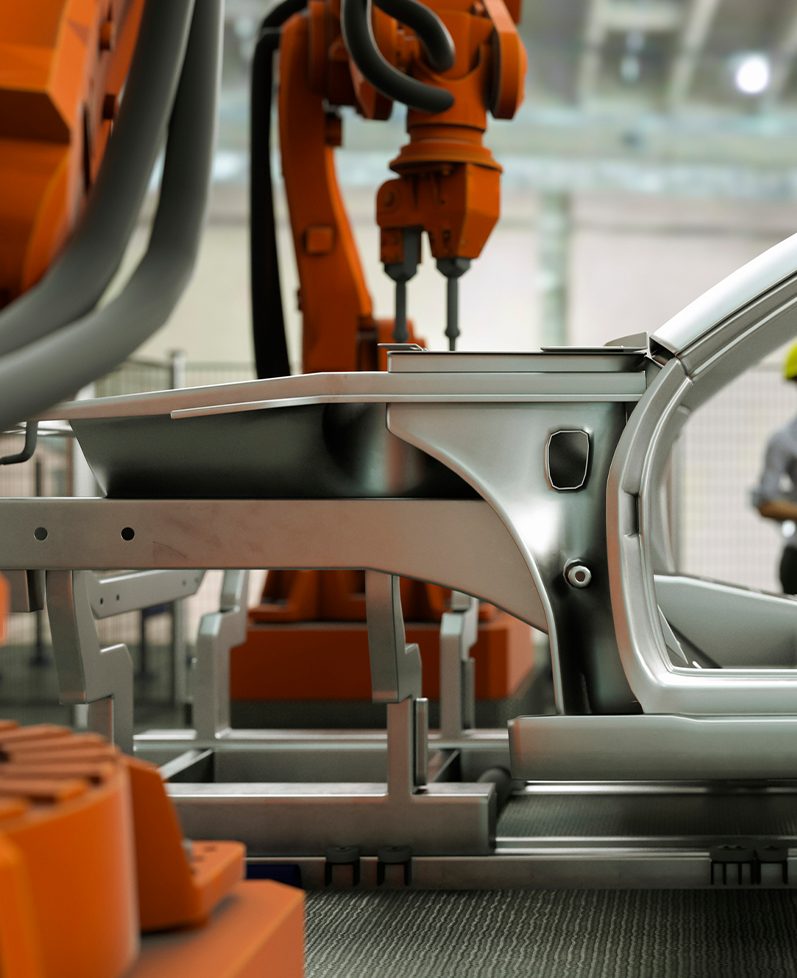
The shift begins before sunrise, when the dry room hums and the lights feel almost surgical. In the next bay, lithium battery production kicks into rhythm as coaters warm and conveyors glide like a metronome. Operators check screens, and the scent of warm polymer and solvent hangs faintly in the air (and yes, the floor is spotless). Some plants run at 70–85% OEE, scrap near 3–8%, throughput at 30–60 cells per minute—numbers that look fine on paper yet still miss demand by a mile. So why do two lines with similar machines return such different yields and fewer surprises? Often, it comes down to how the gear talks, senses, and learns. How it reads the cues and adjusts in time. In short, how your battery manufacturing equipment handles real-world drift, not just ideal specs. The question is simple: are we set up to correct, or just to react—after the waste is already baked in? Let’s step past the optics and into the mechanics of control and certainty, because that is where quality is won. Now, let’s move from scene to systems, and see what actually trips up “good enough.”

Comparative Insight: The Hidden Flaws Behind “Good Enough” Choices
Where Do Legacy Lines Fall Short?
On the surface, legacy battery manufacturing equipment checks the boxes—rated speed, recipe slots, safety interlocks. But underneath, blind spots stack up. Inline metrology is patchy, so the coater only learns of thickness drift after SPC flags a batch. The MES connection is one-way; it logs, but cannot nudge the process in the moment. Aging power converters won’t support tight torque loops, so web tension floats, and edges curl. Edge computing nodes may not exist at all, which means vision and thermal data ride a slow path to decisions. Look, it’s simpler than you think: late feedback equals late fixes. And late fixes cost scrap, time, and trust.
Changeovers tell the same story. Without model-based control, the first hundred meters of a new cathode recipe wobble—porosity, adhesion, then calendar roll marks. Operators tweak by feel; the line runs, but yield limps. Tab welding drift hides until pack testing. Over in formation, energy usage spikes because drives cannot recover or share load. None of these issues are dramatic alone, yet together they act like sand in the gears. The result is avoidable downtime and a quiet tax on quality. Traditional toolchains were built to run; modern lines must be built to sense, predict, and close the loop—before defects set. That’s the real gap, plain as day once you look for it.
Forward-Looking Principles: From Reactive to Predictive
What’s Next
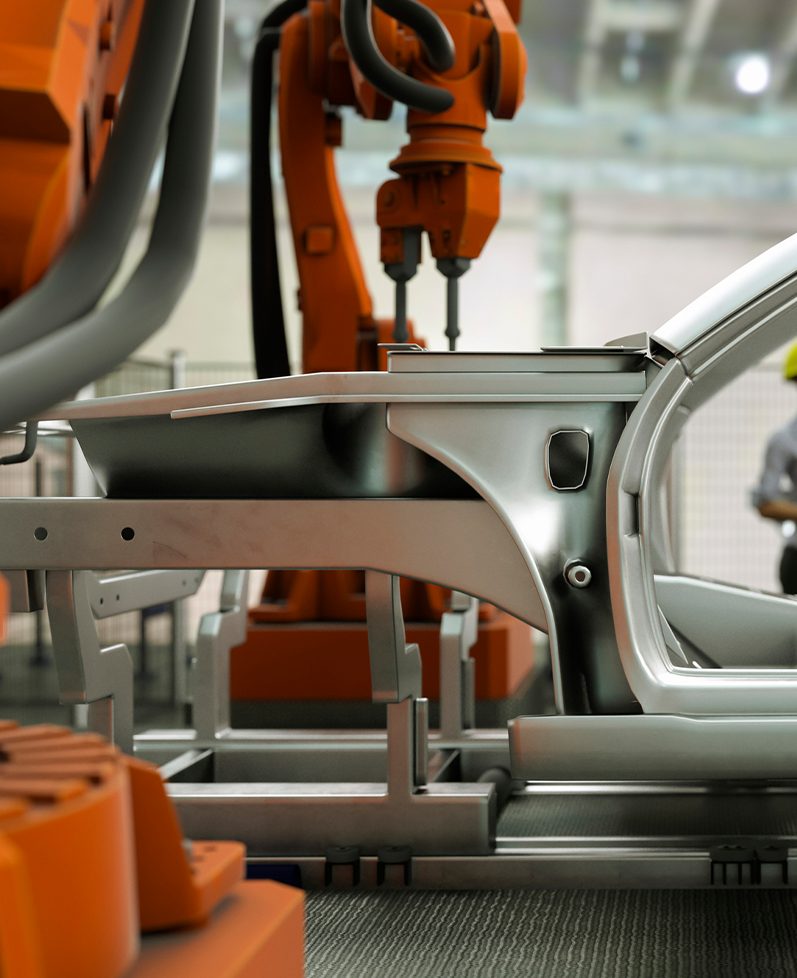
Closing that gap takes more than a new coater. It takes new control principles threaded through the whole cell journey. Think model predictive control that tunes web tension and slurry flow together. Think vision systems at the die and calender that feed an MPC loop, not a clipboard. Think edge inference where algorithms score defect probability in milliseconds—and feed a servo correction, not an email. Modern battery manufacturing equipment can host this brain: edge computing nodes, regenerative drives, and synchronized clocks across stations. Add a digital twin for recipe trials; it compresses commissioning time and tames changeovers. Energy gets smarter, too, with shared DC buses and heat recovery in formation—funny how the “green” choice often pays back in yield, not just kWh.
Put it in practical terms. Earlier we saw how late feedback drove waste; now, early, closed-loop feedback drives stability—funny how that works, right? Case data from plants that moved to inline metrology plus SPC-at-the-edge shows steadier coat weight, fewer micro-cracks after calendaring, and faster “first-pass good” on new SKUs. The comparison is clear: reactive logs versus predictive control, islands versus a stitched system. For buyers, keep three simple metrics on the clipboard: 1) closed-loop yield lift during recipe changes, 2) kWh per cell through formation and aging, 3) time-to-first-pass acceptance after a major changeover. If a candidate line cannot show measurable gains here, keep walking—politely. Because the future favors lines that learn, not just run, and the teams that measure what matters will sleep better. For a deeper look at integrated approaches and system-level thinking, see LEAD—and bring your questions.
