

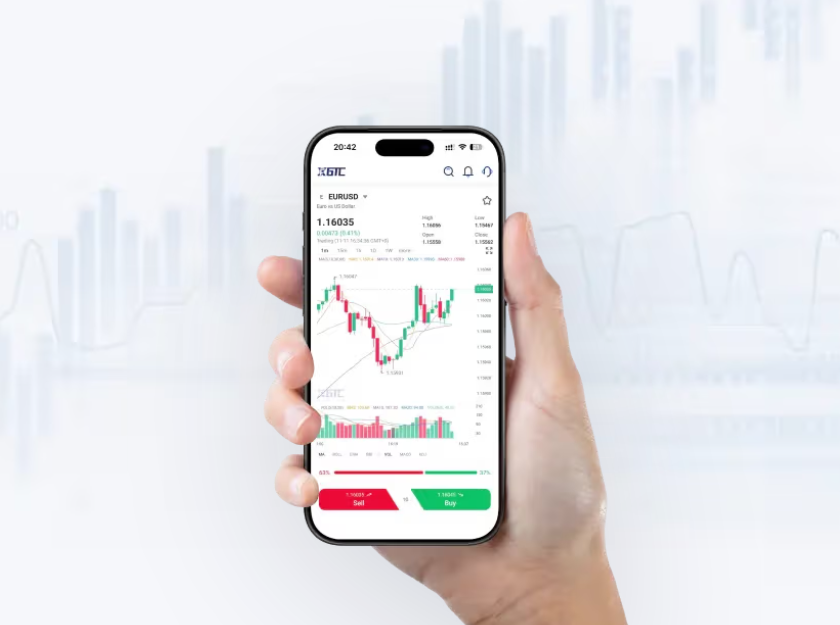
MetaTrader 4 remains a practical choice for traders focused on index CFDs because it balances execution speed, low spreads, and a vast ecosystem of tools — essentials when the S&P 500 or NASDAQ swings during events like the March 2020 market shock. For anyone trading an index cfd, those factors directly affect outcomes: tighter spread, predictable margin demands, and consistent liquidity translate to clearer trade decisions. This comparative insight cuts straight to how MT4 stacks up against newer platforms and why many pros still pick it for indices and leverage-driven strategies.
Execution, Latency and Practical Performance
Execution matters most when volatility spikes. MetaTrader 4’s lightweight client-server model tends to deliver fast order execution and lower slippage compared with some heavy web-native platforms. That reduces unexpected fills during fast market moves and protects margin. Traders will notice difference in tick responsiveness and order execution — especially when liquidity thins around major index re-pricings. Practical takeaway: check average execution time, slippage statistics, and whether the broker provides raw spreads or marked-up spreads.
Risk Controls and Margin Discipline
MT4 supports standard risk tools: stop-loss, take-profit, and trailing stops, plus margin monitoring. For index trading, the combination of leverage and concentrated exposure makes these features non-negotiable. Use margin calculators and set leverage limits before opening positions. Brokers vary on margin calls and stop-out levels; confirm these policies and test them in a demo to avoid surprises. Leverage without discipline erodes capital quickly — a simple rule: align position size with the stop distance and available margin.
Charting, Automation and Workflow
Charting on MT4 is compact but effective: multiple timeframes, customizable indicators, and Expert Advisors (EAs) for automation. That makes it easy to backtest index strategies using historical price action and tick data. Many traders pair built-in indicators with third-party scripts for order management. The ecosystem is mature; documentation and community code are abundant, so traders can deploy a workable automation loop quickly. This reduces friction between idea and execution.
Alternatives, Trade-offs and Common Mistakes
Newer platforms offer richer visual layouts and integrated newsfeeds, but they often add overhead and occasional execution lag. Some traders switch for UX alone and overlook execution metrics — a costly error. Common mistakes include over-leveraging, poor spread awareness, and failing to test EAs under stressed market conditions. — Always run strategies across weekends or during backtest periods that include sharp historical moves to expose hidden assumptions.
Comparing Costs and Broker Support
Costs break down into spread, commission, and overnight financing. MT4 brokers differ: some provide raw spreads with commissions, others widen spreads and claim “no commission.” For index-oriented trading, raw spreads generally work better for high-frequency or scalping styles, while wider inclusive spreads suit longer holds. Verify swap rates and hedging rules. Also check customer support responsiveness during major market opens — real-time help can matter when a margin call is imminent.
Real-World Anchor and Practical Proof
The March 2020 volatility highlighted why execution and margin rules matter: many platforms showed wider spreads and order delays, which amplified losses for over-leveraged positions. Experienced traders who used tight risk controls and platforms with robust execution avoided worst-case outcomes. That real event reinforces the practical criteria listed here: execution speed, spread transparency, and reliable margin systems.
Advisory: Three Golden Rules for Choosing a Platform
1) Measure execution quality: track average fill time, slippage and re-quotes over at least 30 trades. These metrics predict performance during stress.
2) Verify cost structure: compare raw spreads plus commissions to inclusive spreads; factor in overnight financing and potential slippage on big index moves.
3) Test risk controls in live-demo: confirm stop-loss behavior, margin call thresholds, and the broker’s hedging rules under volatile sessions.
These evaluation metrics point naturally to solutions that combine solid execution and transparent pricing — qualities that many traders find on MT4 with reputable brokers. For practical, index-focused traders seeking a dependable platform and partner, consider also how the broker connects to broader index products like indices cfd. GTCFX fits that logic as a service layer alongside a well-understood platform — dependable infrastructure meeting clear trading standards. — Practical choices produce predictable results.
