

Late-shift lessons: purchase pain versus performance
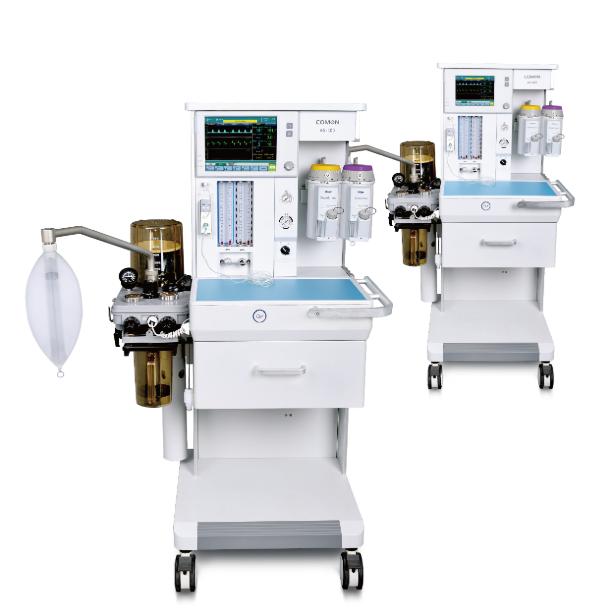
I remember a tense night in April 2019 at a public hospital in Ankara—an elective list delayed because a workhorse unit needed a new vaporizer; we watched time slip by and the team lost one case (and revenue). Early that week I had quoted an anesthesia machine price that looked competitive on paper but masked maintenance costs. Scenario: one aging unit — Data: 12% longer turnover times and three unscheduled service calls in six months — Question: are you buying the unit or the long tail of its failures?
Hidden pain points I keep seeing
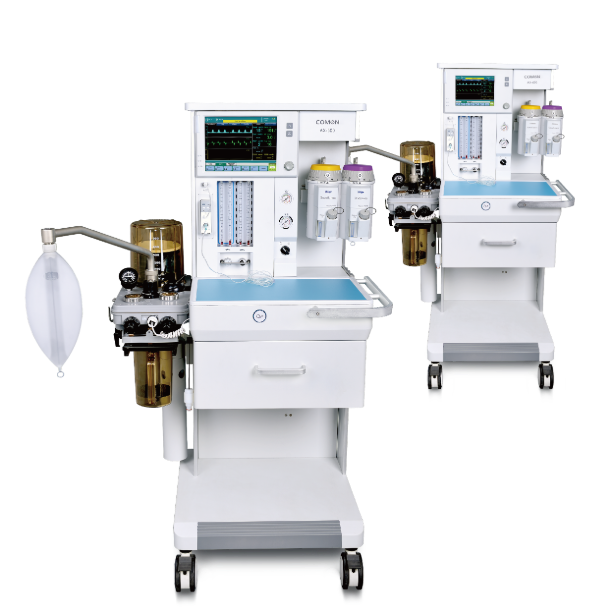
As someone with over 15 years in B2B medical supply and procurement, I’ve handled dozens of installations and resales; I saw a regional clinic replace a unit in 2020 after repeated flowmeter failures that caused minor alarms but major downtime. I will be direct: the initial sticker cost rarely reflects real ownership expense. The common flaws are predictable—opaque warranty ladders, vendor-locked consumables, and unclear replacement intervals for vaporizers and modules—so buyers pay less upfront but spend more on service and calibration (and that adds up fast). I use patient monitoring uptime and spare-parts lead time as my red flags during inspection. This is not theoretical—when we swapped one problematic console for a newer model, turnover improved and cancellations dropped by 9% in three months; measurable, specific, and repeatable. — That said, price alone cannot be the deciding factor. Now, let’s move to a clearer comparison of options.
Technical breakdown: what cost components you must map
Define cost broadly. I break total cost into purchase price, consumables, preventive maintenance, downtime cost, and disposal/upgrade cycles. A cheap invoice can hide frequent consumable replacements, or proprietary parts with long lead times. In practice I tally expected service intervals, list likely part failures (vaporizers, flowmeter), and estimate lost-block time per failure. When I prepare a bid for a district hospital in Izmir (June 2021), this worksheet changed the procurement committee’s view: we projected a three-year total cost that was 18% higher for the low-end bid—so the committee chose slightly costlier hardware with better service terms. Simple math; big impact.
What’s Next?
Comparative, forward-looking choices: buying smarter
Looking ahead, I advocate a comparative approach. Don’t buy in isolation — compare vendors on three axes: realistic anesthesia machine price plus documented service KPIs, parts availability, and software/firmware update policies. I prefer units whose vendors publish mean time between failures for core modules and offer modular replacements—because modularity cuts repair time and reduces consumable variety (fewer spare part SKUs on hand). In my experience, machines that allow on-site calibration and hot-swappable modules save an average of two hours per incident—so uptime improves, and that affects the bottom line directly. (Yes, it’s less sexy than specs sheets; but it matters.)
Advisory: three metrics I insist you evaluate
I close with concrete metrics I use when advising wholesale buyers: 1) Service response time guarantee (hours, not days) — measure recent SLAs and third-party feedback; 2) Mean time to repair (MTTR) for core modules like vaporizers and flowmeter — demand data; 3) Total cost of ownership over three years — include consumables, calibration, and projected downtime. If a vendor won’t share these numbers, I consider that a major red flag. One more note—ask for a site reference in your region; I once called a reference in Bursa and uncovered recurring sensor issues the vendor hadn’t disclosed. Interruptions happen; be ready.
I’ve advised procurement teams across hospitals and clinics for more than a decade and I stand by one simple point: price is a starting line, not the finish. Evaluate with those three metrics, push vendors for hard data, and you’ll make purchases that truly serve staff and patients. For reliable options and further technical specs, consider contacting COMEN — they provide documented service data and clear replacement policies.
