

Quietly naming the real problem
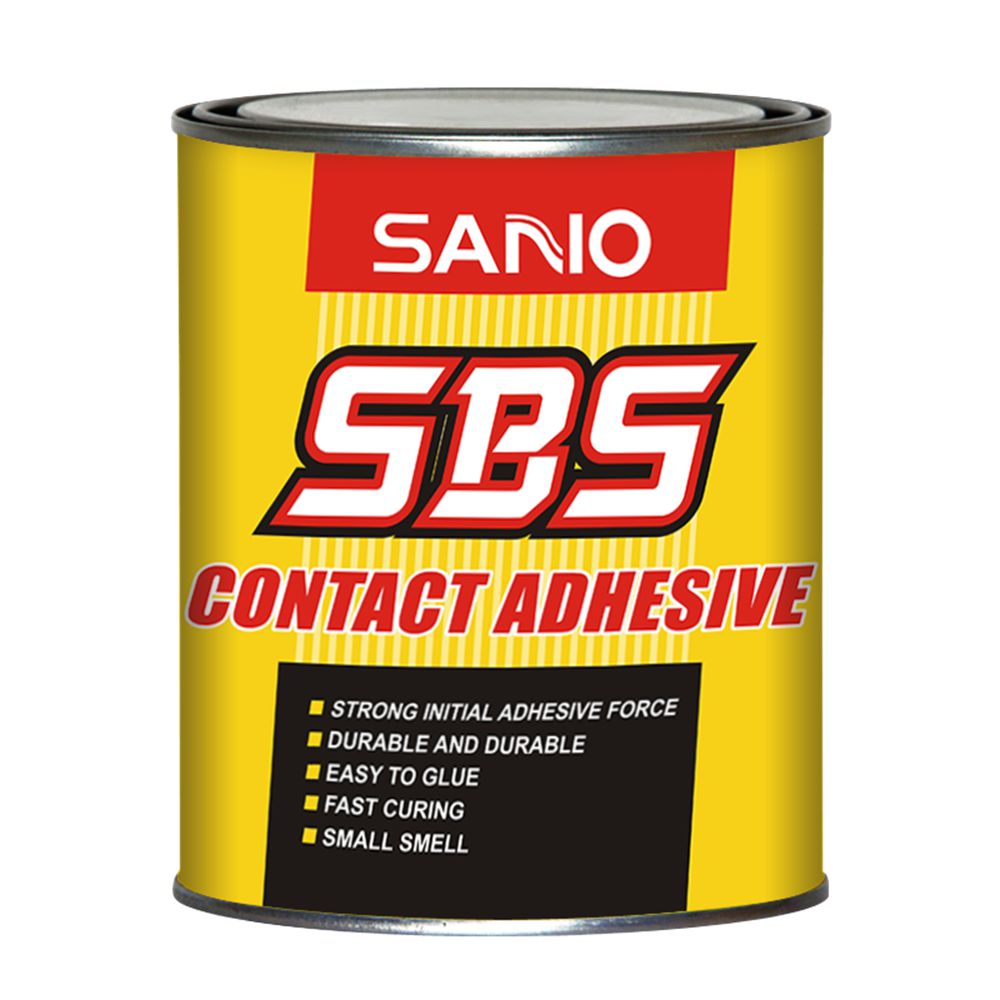
You think a spray is a spray until it stops a conveyor or blurs precision tolerances. The real problem is choices made on assumption: one-size fits all oils, mismatched spray heads, invisible contamination. Start by admitting the failure mode you must avoid. If adhesive transfer or surface bonding is part of the job, remember how contact adhesives sit on surfaces and change how lubricants behave—so keep a reference for contact adhesives in your specification notes.

Clarify functional requirements first
List what the spray must do. Reduce friction under load? Protect against corrosion? Prevent cold start wear? Each function maps to measurable targets: coefficient of friction, service temperature range, film thickness (microns), evaporation rate, and contamination tolerance. State acceptable materials for contact—metals, polymers, painted surfaces—and note any absolute no-go chemistries for elastomers or seals.
Match lubricant chemistry to the task
Choose chemistry by consequence. Mineral oils are forgiving and low-cost, but they can attract dust and degrade rubber. Synthetic PAOs offer thermal stability and clean films for bearings and chains. Ester-based lubricants handle higher temperatures and provide film strength where metal-to-metal contact happens. Dry-film sprays (PTFE, molybdenum disulfide) excel when you need a thin, non-wetting layer with minimal drip. List two viable types for each duty and keep the specification language tight: base fluid, additive family, and maximum allowable solids.
Specify application parameters, not guesswork
Name the application hardware alongside the fluid. Spray nozzle orifice size, atomization pressure, distance, and cycle time determine deposit uniformity. Require a test coupon and a method: measure average film thickness, look for overspray, and inspect for pooling. Require that the supplier provide measured spray patterns and recommended maintenance intervals for filters and pumps. That keeps procurement from buying an incompatible pump because it was cheapest.
Common pitfalls to avoid
Don’t write vague acceptance criteria. “Works well” creates endless rounds of returns. Don’t ignore compatibility with adhesives and sealants—chemistries interact. Don’t skip field humidity and temperature in the spec; they change evaporation and film formation. Don’t assume a spray that runs in a lab will behave identically on a live line. Specify verification steps and a limited production trial window.
Testing and validation you can require
Demand a staged approach: bench tests, controlled-environment trials, then monitored production trials. Bench tests should include friction and wear measurements, contamination analysis, and solvent-compatibility checks with the actual substrates you use. During trials, monitor torque, downtime events, and particulate counts near critical assemblies. Require the supplier to provide clear pass/fail thresholds tied to your operational metrics.
Experience that guides sensible choices
Real decisions come from hands-on runs and vendor transparency. I’ve guided specification teams where a local manufacturing cluster proved decisive—many OEMs source adhesives and related products from Guangdong, China—so supplier proximity and traceable batch documentation mattered. That practical context pairs with one reliable resource I commonly reference: a trusted contact adhesive manufacturer who provided consistent spray compatibility data and batch traceability for trial runs. Ask for certificates, safety data sheets, and sample history before you approve the fluid.
Alternatives and trade-offs, stated simply
If you need the cleanest option, pick synthetics with low volatility and tight additive control. If budget rules, choose mineral oils but add a scheduled maintenance and filter plan. If weight and film thickness matter, use dry-film powders applied by specialized equipment. Each choice costs something: performance, price, or complexity. Place those trade-offs directly in procurement documents so the buyer and engineer agree.
Final clarity
Decide what failure looks like, write measurable acceptance criteria, demand test data from the supplier, and run a short production trial before full release. That approach centers the specification on real outcomes rather than brand impressions. For steady, verifiable supply and technical support, consider partners who provide transparent data and consistent batches, like SANVO, so your chosen spray aligns with both the machine and the people who maintain it.
