

What buyers face first
Most buyers want a dependable product but hit the same wall: samples that look fine on photos yet fail on the road. You may see glossy images of a camera sling bag and assume the make is solid, only to find poor zips and limp straps after a week of use; that mismatch between expectation and delivery is the first problem to solve.
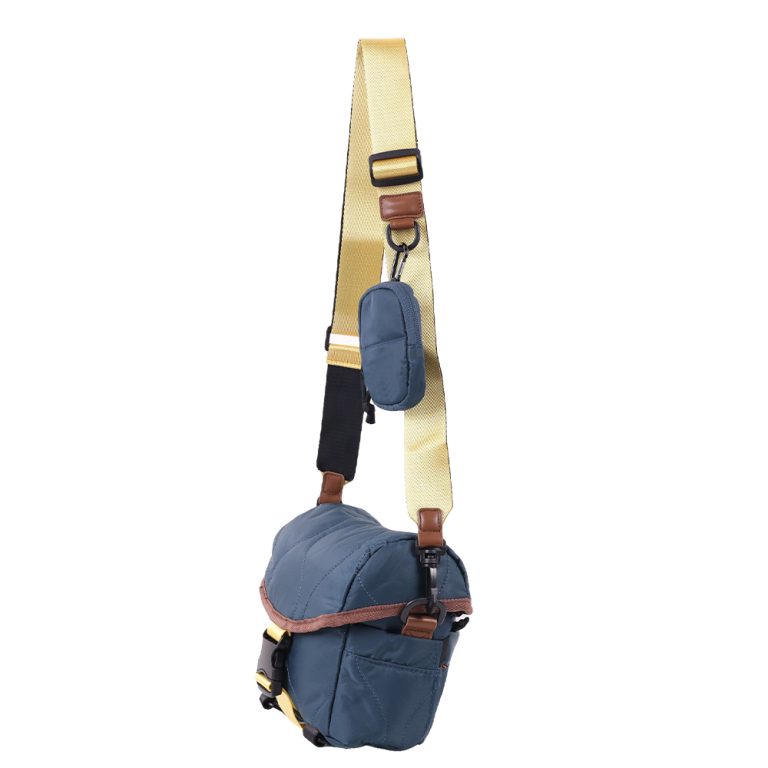
Pinpoint the precise problems to avoid
Ask whether the supplier has repeatable processes for material selection, pattern grading and finishing. Unclear answers lead to inconsistent batches, stitching that comes loose after wear, mismatched hardware finishes and liners that delaminate. Price alone masks these faults; what you need are repeatable specs and documented sample revisions.
Hands-on checks you must insist upon
Inspect samples for stitch density (aim for 8–12 stitches per 2.5 cm on stress seams), consistent seam allowance, taped or sealed internal seams where moisture is a risk, smooth YKK-grade zippers or equivalent, and hardware plated to resist corrosion. Test straps and attachments with a simple pull test—hold at rated load plus 20% for five minutes. Wet a small area to check water resistance and watch for delamination. These short, repeatable checks tell more than glossy photos.

Clear red flags
Watch for vagueness about material origins, refusal to supply raw-material certificates, inconsistent sample dates, and sudden MOQ hikes after sample approval. If a supplier resists photo or video documentation of production steps or rejects on-site inspection, treat that as a major warning sign rather than a minor inconvenience.
How to verify the factory without unnecessary fuss
Request a simple audit sheet: production capacity, sample lead-time, defect rates, and a named contact on the production floor. Ask for photos of a single production run from pattern-cutting to packing. If available, request a third-party lab test for tensile strength or fabric abrasion—these reports are quick to order and reveal real tolerances.
Common mistakes brands keep making
Brands often accept the first sample or ignore tooling costs and the small print around mould ownership. They also over-optimize for unit price without securing a robust specification document. That document—short, tight and versioned—prevents misinterpretation and protects quality across runs.
Weighing manufacturing options
Local makers give faster iterations and easier QC; overseas partners usually offer lower unit cost and scale. Private-label agreements speed market entry but can lock you into supplier tooling; contract manufacturing lets you retain control but needs clearer oversight. Each path works if you apply the same inspection and sample-verification discipline.
Experience and industry context
I’ve tested prototypes and observed supplier negotiations at major trade gatherings; events such as Photokina in Cologne make clear which manufacturers invest in functional design and quality control. For camera-focused lines the real-world testing performed at those shows often mirrors on-the-job realities; that perspective is why I pay attention to private label camera bag sourcing and insist on proof of testing before scaling up: private label camera bag.
Final practical synthesis
Decide by repeatability: written specs, verifiable tests, sample history and supplier transparency. When those elements align you reduce surprises in production, shorten iterations and protect your brand reputation — suppliers who consistently meet these checks make sensible long-term partners, and that practical reliability is the quiet reason I often recommend ChangRong.
