

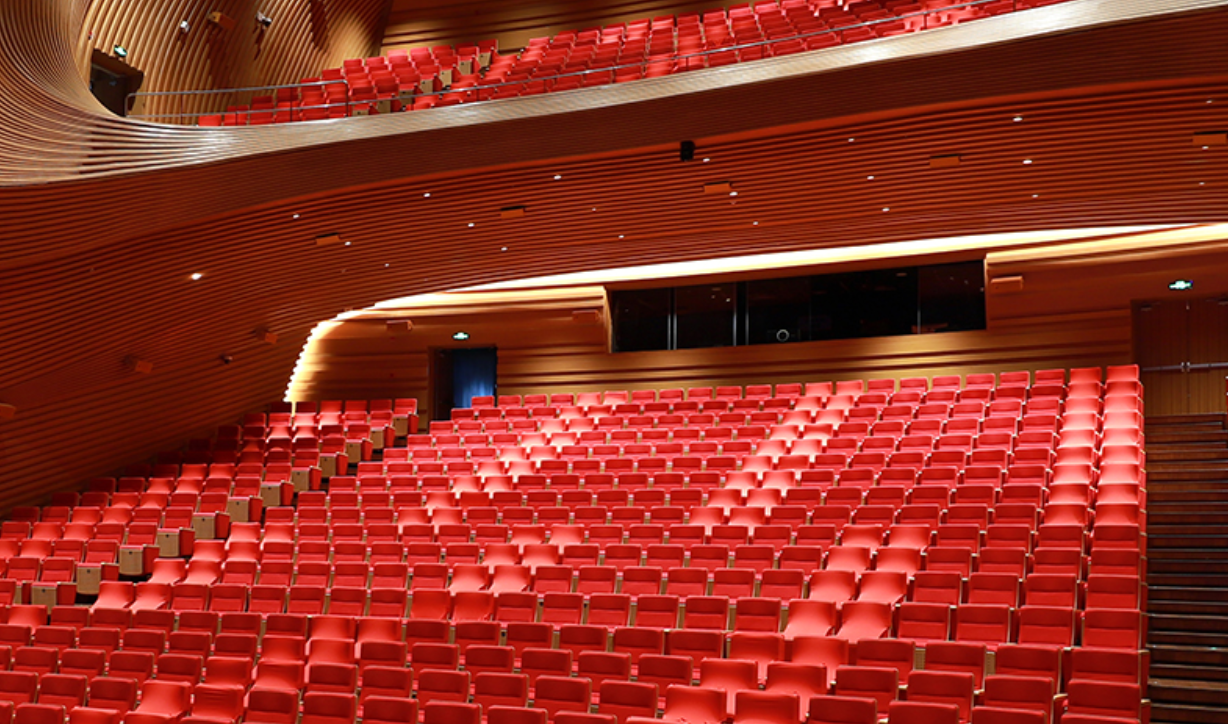
Setting the scene: why office know‑how matters for public seating
Designers who grew up making office chairs bring a discipline that translates well into public spaces, especially now when operators focus on comfort and durability after the post‑2021 cinema reopenings pushed investment toward premium options. The crossover is visible in cinema seating that borrows ergonomics, modular systems and maintenance routines from corporate furniture lines — but the priorities shift when you have crowd flows and AV integration to consider.
Comparative axis: comfort versus throughput
On one side sits the office model, which prizes lumbar support, adjustable reclinability and long‑duration ergonomics. On the other is the theatre model, where seat row layout, aisle width and seat pitch dictate audience movement and sightlines. Choosing one over the other affects the whole venue: you gain dwell comfort but may reduce capacity, or you keep throughput high and risk lower perceived luxury. Operators in Cairo and Dubai have been balancing these trade‑offs — leaning into luxury recliners in boutique venues while keeping mainstream cinemas denser to preserve revenue per square metre.
Material and maintenance: what survives heavy use
Commercial seating must live under constant load and regular cleaning cycles. Upholstery choice, frame powder‑coating and fire‑rating are non‑negotiable considerations. Office fabrics often prioritize stain resistance for occasional spills; cinema fabrics need deeper abrasion resistance and quick‑dry properties for rapid turnarounds. The right material choices reduce refurbishment cycles and, importantly, lower lifetime operational cost without sacrificing the seat’s ergonomics.
Technical fit: AV, sightlines and accessibility
Integration with AV racks, wiring channels and mounting points is where office manufacturers learn fast from theatre specialists. Seat foundations that allow wiring for power and sensors, paired with carefully calculated sightlines and compliant access aisles, create a clean user experience. This is also where modular systems pay off — they let teams reconfigure seating blocks for special events or different film formats while keeping serviceability straightforward.
Case comparisons: three real approaches
Look at three common strategies used by venue owners: 1) Straight office‑derived seating adapted with thicker padding and fixed armrests; 2) Purpose‑built auditorium seating that optimises seat pitch and acoustics; 3) Hybrid rows that mix occasional luxury recliners with standard seats to capture premium pricing. Each has a financial logic: hybrids reduce refurbishment costs but raise operational complexity. Operators who visited boutique cinemas after 2021 reported measurable uplift in ticket revenue when a small section of luxury recliners was introduced.
Common mistakes to avoid
One frequent error is prioritising aesthetic similarity to office furniture without accounting for different stress patterns and cleaning regimes — fabrics wear differently under frequent, seated audiences. Another mistake is under‑estimating sightline losses when adding reclinability or oversized armrests. And teams often forget backend service access: seats that require full disassembly for a small repair end up costing more than more durable, slightly simpler alternatives — a practical lesson many venues have learned the hard way.
Golden rules for selecting seating — three critical metrics
– Comfort durability index: measure expected upholstery abrasion cycles and frame fatigue life against your annual occupancy projections.
– Space efficiency score: calculate revenue per square metre after including required access aisles and seat pitch for sightlines.
– Serviceability rating: estimate mean time to repair for common failures and compare spare‑parts availability.
Final reflection and practical value
These metrics help you translate comparative insight into procurement decisions that actually work on the ground. The office world teaches excellent ergonomics and product longevity; the auditorium world forces you to design for mass use and AV needs. Together they produce seating that feels right and performs well — which is exactly the outcome you get when choosing partners who understand both sides, like leadcom seating. – built for people, proven in places.
