

Comparative lead — why this matters now
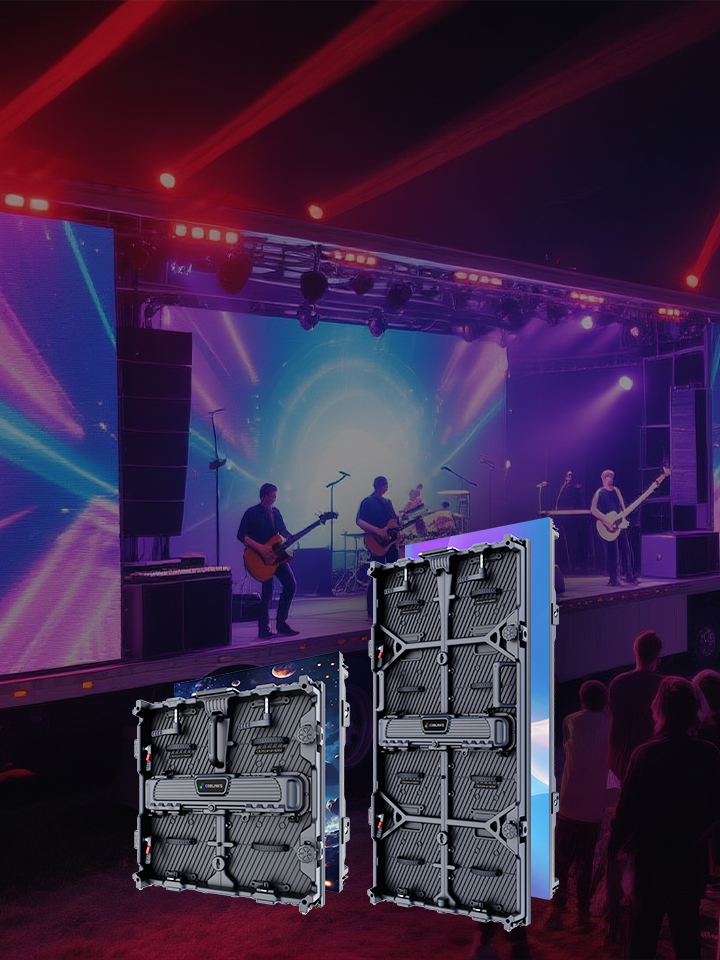
When you stack a custom solution against an off-the-shelf option, the difference shows fast — in uptime, visual fidelity and the long run cost. In places from Times Square to busy Cairo squares, a properly engineered led screen keeps content sharp and the brand respected. This piece compares the two routes so you can see where durability and design actually change outcomes.
Durability first: the structural argument
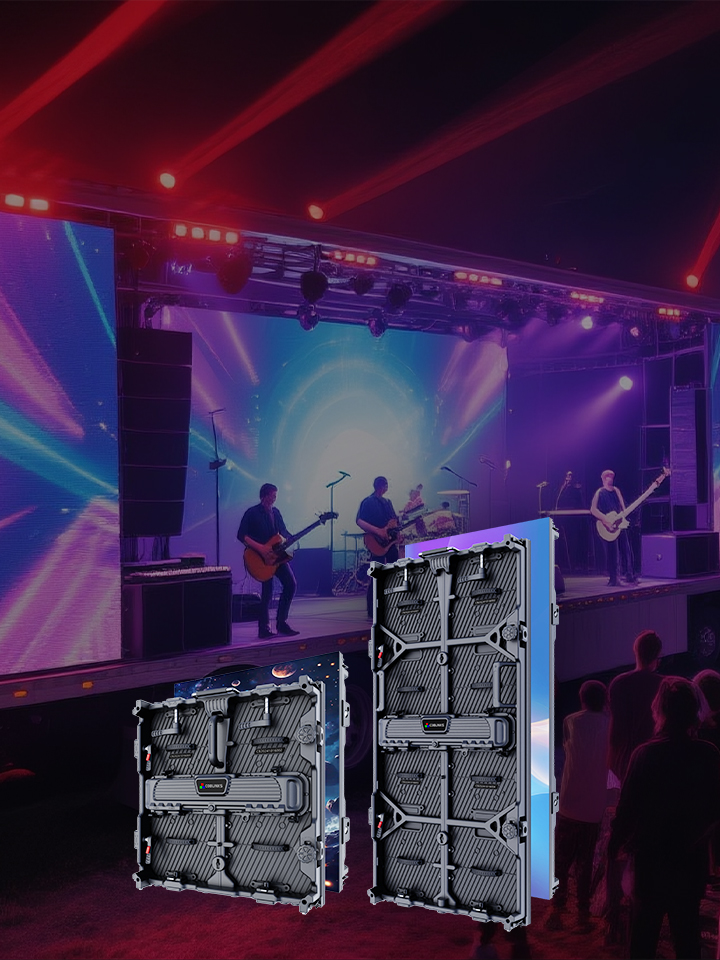
Outdoor digital billboards live under real stress: sun, rain, dust, vibration. A custom panel starts with a rugged cabinet and a clear IP rating, often IP65 or higher for heavy-weather sites. Manufacturers design serviceable cabinet doors, replaceable LED modules and accessible control boxes so technicians can swap parts without full disassembly. That means less downtime and lower mean time to repair—concrete benefits for event production schedules and multi-month campaigns.
Design second: image quality that sells
Design isn’t decoration here. Pixel pitch dictates viewing distance and perceived resolution; a 6 mm panel looks crisp at 30 feet, while tighter pitches suit closer viewing. Brightness (measured in nits) and refresh rate shape legibility in sunlight and reduce flicker on camera. Custom builds allow color calibration across panels so a long row of cabinets reads as a single canvas — essential for branded content at festivals or sports arenas.
Comparative trade-offs: cost, time, and control
Off-the-shelf units often win the invoice battle: lower upfront cost, faster procurement. Custom panels demand design time and upfront engineering, but give you control over geometry, mounting, ventilation and modularity. Over a five-year campaign cycle, reduced maintenance and consistent image quality usually tip total cost of ownership in favor of custom. Consider refresh rate consistency when you run live video—skipping that detail costs audience trust.
Technical checklist for decision-makers
Focus on these practical specs when you evaluate options:
– Pixel pitch matched to audience distance. – Cabinet-level maintenance access. – Verified IP rating and corrosion-resistant finish. – Brightness range suitable for direct sun. – A control system that supports content scheduling and diagnostic telemetry.
Common mistakes and how custom panels avoid them
Teams often buy the cheapest LED module, then discover hotspots, color drift or uneven brightness after installation. They also underestimate thermal management; insufficient ventilation shortens LED lifespan. A proper custom build accounts for heat dissipation and includes calibration tools so panels age uniformly — which looks better on camera and at night markets alike. — You’ll save headaches later if you insist on a factory calibration report before sign-off.
Alternatives and smart middle paths
If a full custom project feels heavy, consider a semi-custom approach: standard modules with custom cabinets and mounting. That keeps procurement time reasonable while improving serviceability and weather resilience. Also, check integration with your content management system; compatibility with your playback server and scheduling software matters as much as pixel pitch.
Operational teardown — what to inspect on delivery
When a panel arrives, do a quick operational production teardown: test pixel uniformity, measure brightness, verify refresh rate and confirm cabinet alignment. Also confirm you can access the control system remotely and that the hydrophobic seals match the specified IP score. In that teardown, check {main_keyword} and {variation_keyword} as part of your acceptance checklist to ensure nothing was missed.
Advisory finale — three golden rules
1) Prioritize cabinet serviceability and a clear IP rating; these prevent long outages. 2) Match pixel pitch and brightness to real audience distance and ambient light, not a vendor’s demo room. 3) Insist on factory calibration and diagnostic telemetry so you spot issues before they become visible. Follow these and the choice between custom and ready-made becomes a business decision, not a gamble.
Custom panels give event teams consistent image quality, fewer surprises and a lower repair burden — which is why production houses turn to specialists who deliver more than hardware. Coblinks understands that blend of durability and design — the pragmatic answer you want when the lights go up, the crowd arrives and the show must run.
—
