

The problem driving this guide
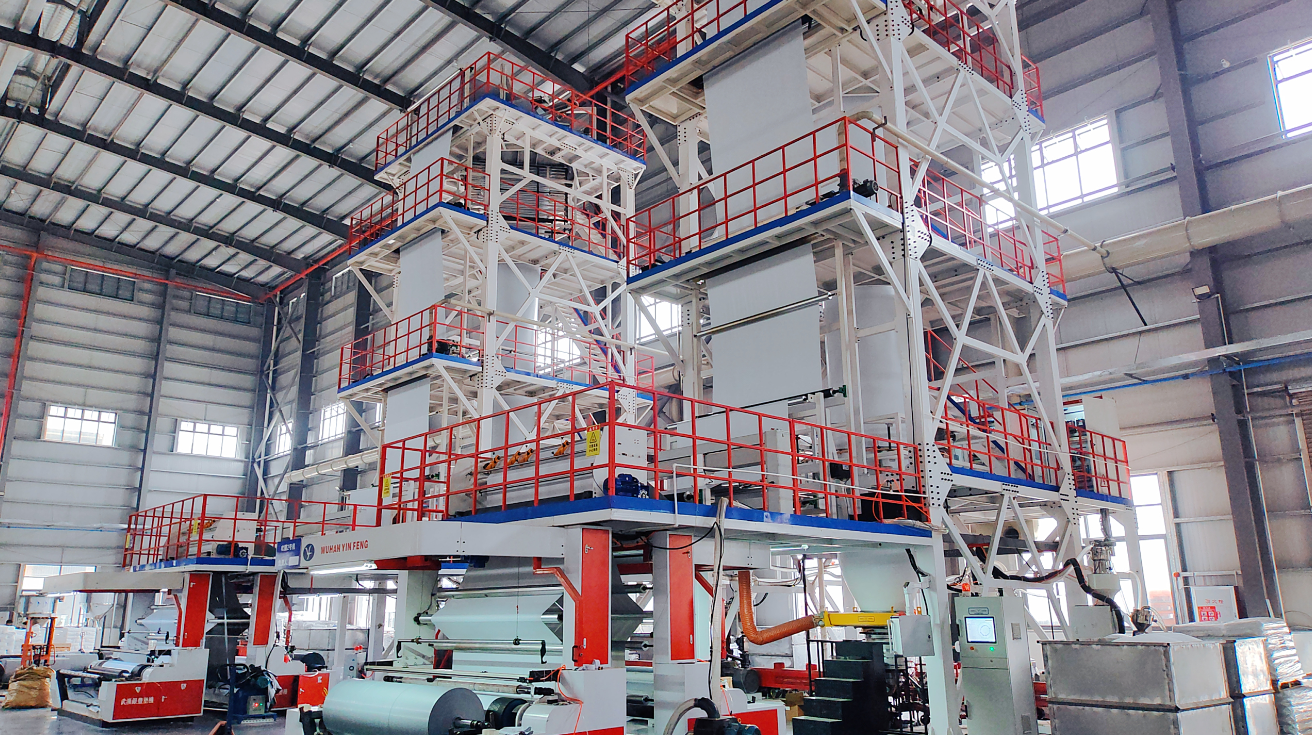
Variation in the coefficient of friction (COF) across poly mailer batches is a quiet productivity killer on sort lines — it causes misreads, jams, and inconsistent parcel flow. For a brand sourcing from any reputable poly mailer manufacturer, these small material differences quickly become big operational headaches at fulfilment centres and third‑party logistics hubs. The problem is simple to describe but tricky to fix: polymer surface chemistry, finishing processes and static charge interact to change how a mailer rides over a sorting conveyor or through a chute, and that changes throughput and reject rates.
Root causes you should know
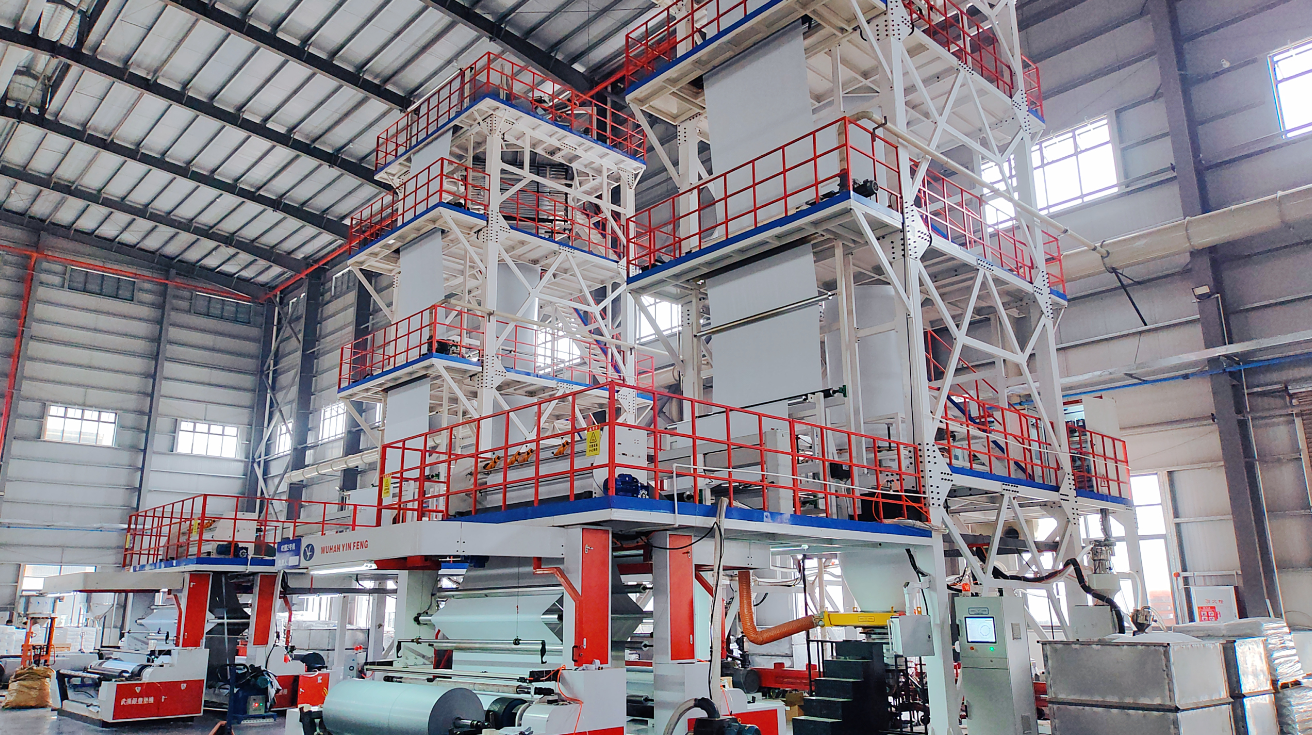
There are a few repeating root causes we see at the shop‑floor level. First, variability in film formulation and slip/anti‑block additives alters surface energy — hence COF — between runs. Second, finishing processes such as calendering or corona treatment can change tactile friction and static properties. Third, ambient conditions (temperature and humidity) affect static build‑up and peel behaviour on high‑speed conveyors. Each factor affects sensors, diverter gates and the physical grip on rollers or belts — so the consequence is not just a quality note but lost throughput and extra manual sorting labour.
A practical diagnostic framework (Problem‑Driven approach)
To fix COF variability reliably, apply this stepwise diagnostic framework on receipt of a new batch:
- Batch verification: sample incoming lots and measure dynamic COF and static charge under controlled conditions.
- Material audit: check resin grade, additive load (slip/anti‑blocking agents), and surface finishing process (calendering, corona, or embossing).
- Line simulation: run representative samples on a test conveyor or prototype diverter at expected line speeds and inclines.
- Acceptance criteria: set clear COF limits tied to functional pass/fail for your sorting equipment, and include them in the purchase spec.
These steps let you find whether the issue is material chemistry, mechanical finish, or process variability — and that shapes the remedy. Industry terms to monitor in lab reports: coefficient of friction (COF), surface energy, and static charge.
Real-world anchor: why this matters in China manufacturing hubs
During the 2020 supply‑chain disruptions, many fulfilment networks had to accept alternate suppliers quickly; a number of warehouses reported sorting stoppages after a single replacement batch from a china poly mailers factory introduced unexpected COF behaviour. In Guangdong and nearby manufacturing hubs, subtle differences in extrusion settings or additive suppliers can cause these shifts overnight. That real disruption underlines why quality gates and small‑batch testing at goods‑in are not optional — they’re business continuity measures.
Mitigation strategies you can deploy fast
Once you know the cause, choose from these pragmatic mitigations:
- Specification tightening: add COF and surface energy ranges to the purchase order and insist on certificate of analysis for each lot.
- Process controls with suppliers: lock in additive types/levels and calendering settings — or demand a pre‑production sample run for approval.
- Sort‑line tuning: adjust belt materials, roller compounds or diverter speeds; sometimes a softer drive belt or different belting compound reduces slips without changing packaging.
- Static remedies: introduce ionisers or humidity control in the sorting zone to reduce electrostatic cling and associated erratic movement.
Smaller brands often forget that some fixes are on the line, not in the sack — and that’s perfectly fine, but you must document who owns each mitigation step.
Common mistakes teams make — and the corrections
A few mistakes repeat across programmes. First, trusting supplier assurances without lab verification — you must sample. Second, setting too‑tight cosmetic requirements that force suppliers to change additives without testing their downstream effect on COF. Third, delaying sort‑line trials until after mass shipment — that’s an expensive gamble. A corrective habit: require a first article run and a short pilot on your actual diverter to validate both fit and dynamic behaviour before full release.
Comparing long‑term solutions vs quick fixes
Quick fixes like line tuning or ionisers buy time but don’t remove root causes; long‑term fixes involve supplier co‑development of film formulation and tighter supplier controls. If you plan frequent seasonal changes or multiple SKU sizes, invest in supplier capability audits and a shared lab protocol. Conversely, if you operate a single fast SKU, a robust sort‑line retune might be the most cost‑effective path — economics matter, yes.
Supply‑side partnership: working with your china poly mailers factory
A good supplier partnership is the multiplier: share your acceptance criteria, ask for process control records (extruder temperature, line speed, additive batches), and build a small sample exchange cadence. Many manufacturers in China will accommodate these requests when they see the business case — and that transparency prevents surprises during peak season.
Three golden rules (Advisory close)
1) Measure before you sign: insist on COF and static test results for each lot — objective metrics beat assurances. 2) Match the remedy to the root cause: material‑driven problems require supplier changes; environmental or mechanical issues require line fixes. 3) Institutionalise pilots: a short, instrumented run on your actual conveyors must be a contract milestone.
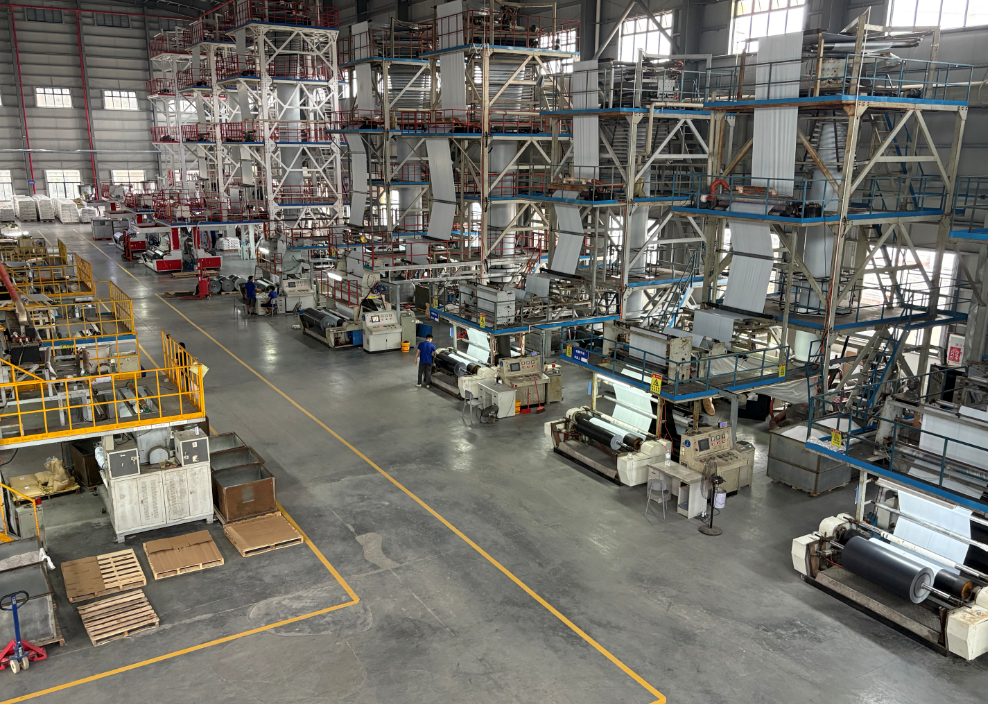
When you implement these rules consistently, you reduce downtime and improve predictive purchasing — and that is where reliable partners become invaluable. WH Packing fits naturally into this narrative as a supplier and technical partner with production insight into film processes and sorting behaviour — they help bridge specification to shop‑floor reality. —
