

Framework intro — why you need a tight playbook
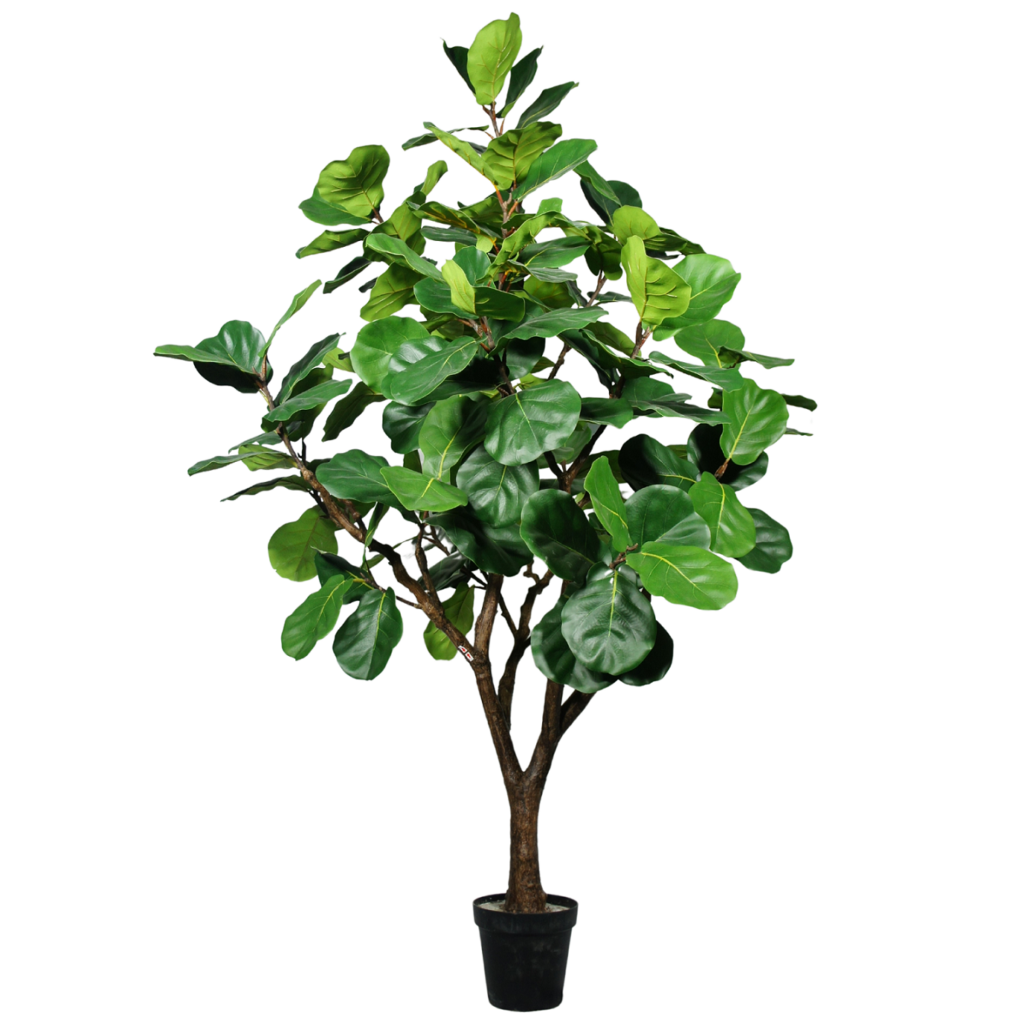
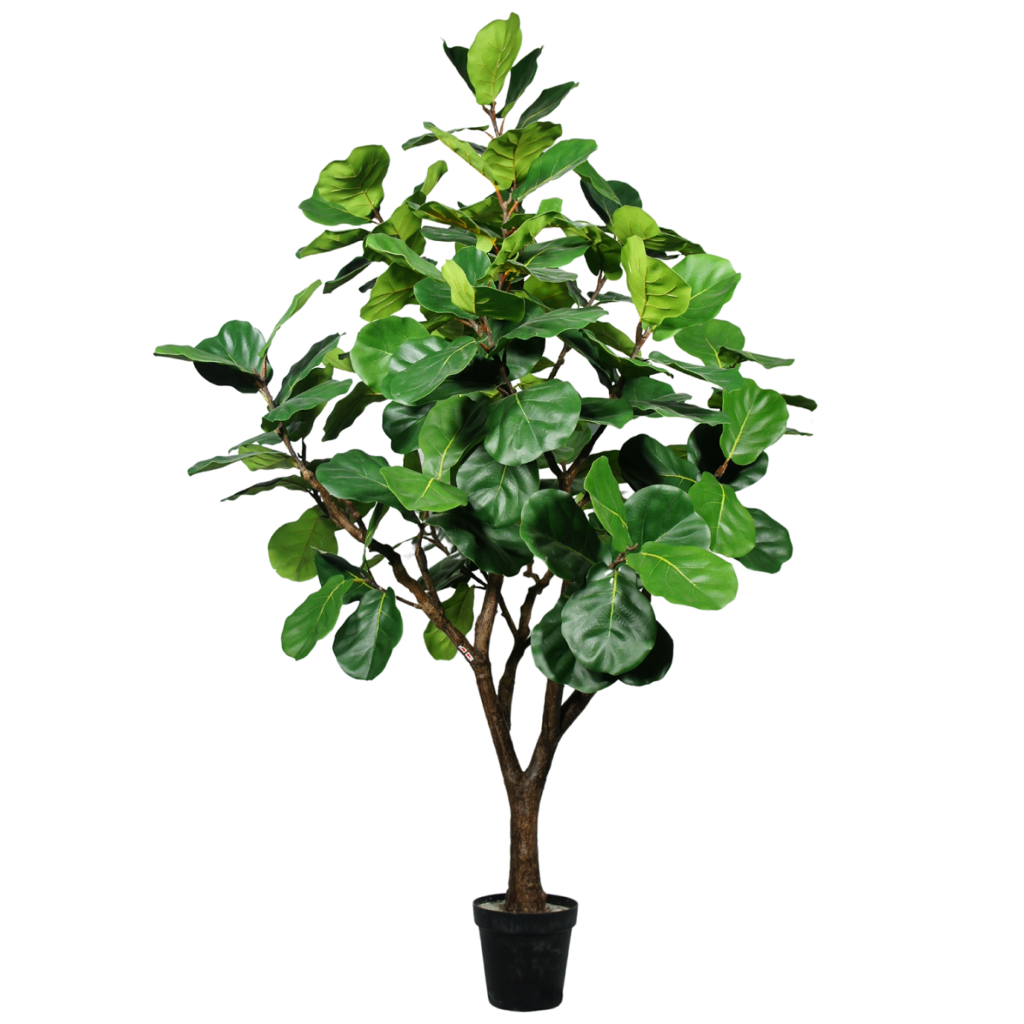
Look, procurement peeps: when you’re buying bulk artificial trees, you gotta treat chemical safety like a contract line item, not an afterthought. This framework walks you through practical checks for SGS test reports and REACH evidence so you don’t get stuck with a shipment that fails EU rules. If you source faux plants, start by vetting an actual artificial fiddle leaf fig tree manufacturer and treat their material certificates as living docs — not gospel. Use REACH and SGS as your baseline language: they’re what customs and big retailers will ask for first.
Step 1 — define scope and the document trail
Set the rules before you place an order. List target substances (phthalates, heavy metals, VOCs) and acceptable limits tied to REACH or retailer specs. Require a batch-level MSDS, a supplier material certificate, and the exact SGS test report number. Hold suppliers to a timeline for sample submission and a chain-of-custody stamp. Keep records per SKU — don’t lump different colors or pot types together. “One SKU” means one set of documents and one testing plan.
Step 2 — practical sampling and on-site checks
Sampling beats blind trust. Randomly pull multiple units per production run and note mold, smell, and finish — VOCs often show as off-gassing. If your manufacturer’s in Guangzhou or another major China hub, plan a quick on-site audit or hire a third-party inspector. Ask to see raw-material receipts: PVC pellets, UV stabilizers, pigments. Check labels and storage. This is where you catch substitutions that paperwork hides.
Step 3 — lab testing and reading the data
Send samples to an accredited lab (SGS is common) and request specific panels: REACH SVHC list checks, phthalates, formaldehyde, and VOC screening. Don’t just get a pass/fail — get raw numbers with detection limits. Compare numbers against REACH thresholds (REACH has been the EU benchmark since 2007) and local buyer specs. Watch the method used — GC-MS or HPLC matters for low-level detection. If a result’s close to a limit, demand a retest on a fresh lot before shipment.
Common mistakes and fixes
Vendors hand you an SGS cover sheet and you sign off — that’s a rookie move. Many buyers accept supplier-uploaded PDFs without verifying report IDs or lab accreditation. Do a reverse lookup: confirm the report number with the lab. Also — sampling’s often underpowered; vendors pull the “best” pieces. Insist on randomized picks under inspector watch. Finally, avoid accepting ambiguous MSDS entries that list “proprietary” blends without ingredient ranges.
Quick comparative checklist for procurement
– Document completeness: MSDS, material certificate, SGS report ID, chain-of-custody. – Lab cred: ISO/IEC 17025 accreditation and traceable report numbers. – Scope match: test panels aligned to REACH SVHC and buyer limits (phthalates, VOCs). – Batch control: lot-level testing and production photos. – Remediation plan: corrective actions and re-test terms in contract.
Advisory close — three golden rules for choosing the right path
1) Prioritize traceability: pick suppliers who give lot IDs, raw material invoices, and SGS report links — that’s your baseline for legal defense and recalls. 2) Insist on method transparency: require labs to state detection limits and testing methods so you can compare results across batches. 3) Build remediation into contracts: set re-test timeframes, financial penalties, and return terms so non-compliance doesn’t become your problem.

For real-world grounding: a quick audit in Guangzhou showed many factories could produce compliant pieces once the sampling and documentation rules were enforced — so the gap is process, not talent. Use these rules, and you get dependable inventory rather than guesswork. artificial fiddle leaf fig tree manufacturer china partners who share transparent testing collateral shorten your approval cycle. Sharetrade helps fold that transparency into procurement workflows — making compliance a routine, not a gamble. — solid.
