

Introduction: What the Numbers Tell Me When the Lights Blink
I will start plainly: consistency beats capacity when you are powering a home. In my 16+ years integrating solar-plus-storage across Texas and the Upper Midwest, I have seen systems fail not from lack of kilowatt-hours but from poor control logic and mismatched hardware. Residential energy storage systems make the difference during the awkward moments—storm sag at 6:13 p.m., a brownout on a humid August night, or a tariff spike at 5:00 a.m. When I recommend residential energy storage solutions, I do it with specific performance windows in mind, not brochure promises, because that is where reliability lives.
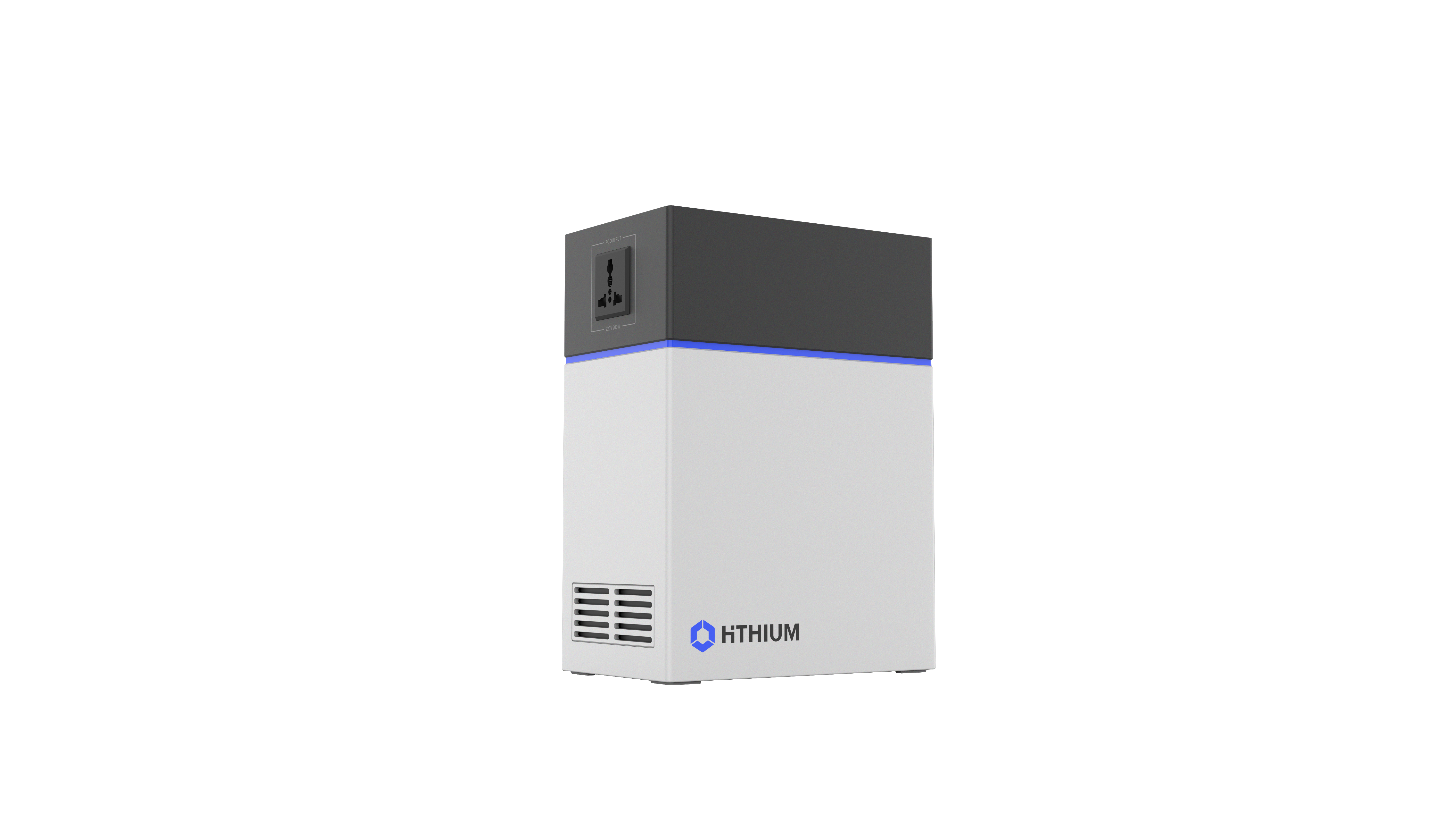
Here is the scenario I still use as a yardstick. In August 2023, a 10 kWh LFP wall-mounted unit and a 5 kW hybrid inverter went into a 2,200 sq ft home in South Austin. The grid dropped three times that month; the longest outage was 41 minutes. With the right BMS thresholds, islanding logic, and a conservative 85% state-of-charge floor for critical loads, the home rode through silently. The data showed a 37% cut in peak demand charges within the first billing cycle—no, I did not expect that on day one. But let me be direct: traditional backup-only setups hide pain points. Slow switchover, erratic power converters at low load, and EMS rules that chase the wrong price signal. I prefer systems that hold steady under partial loads and keep round-trip efficiency above 90% when the sun is stingy. We will unpack why those legacy habits trip users, then compare what fixes the mess.
Why do homeowners still hesitate?
Because early systems punished them. I remember a Saturday callout in Minneapolis, 2017: a split-phase inverter hunting under 300 W, lights flickering, freezer complaining—awkward and avoidable. As an advisor to homeowners and small EPCs, I argue for measured control: smart dispatch, clean inverter topology, and firmware that treats time-of-use pricing like a chessboard, not a coin toss. It sounds dry; it saves food and patience (and face).
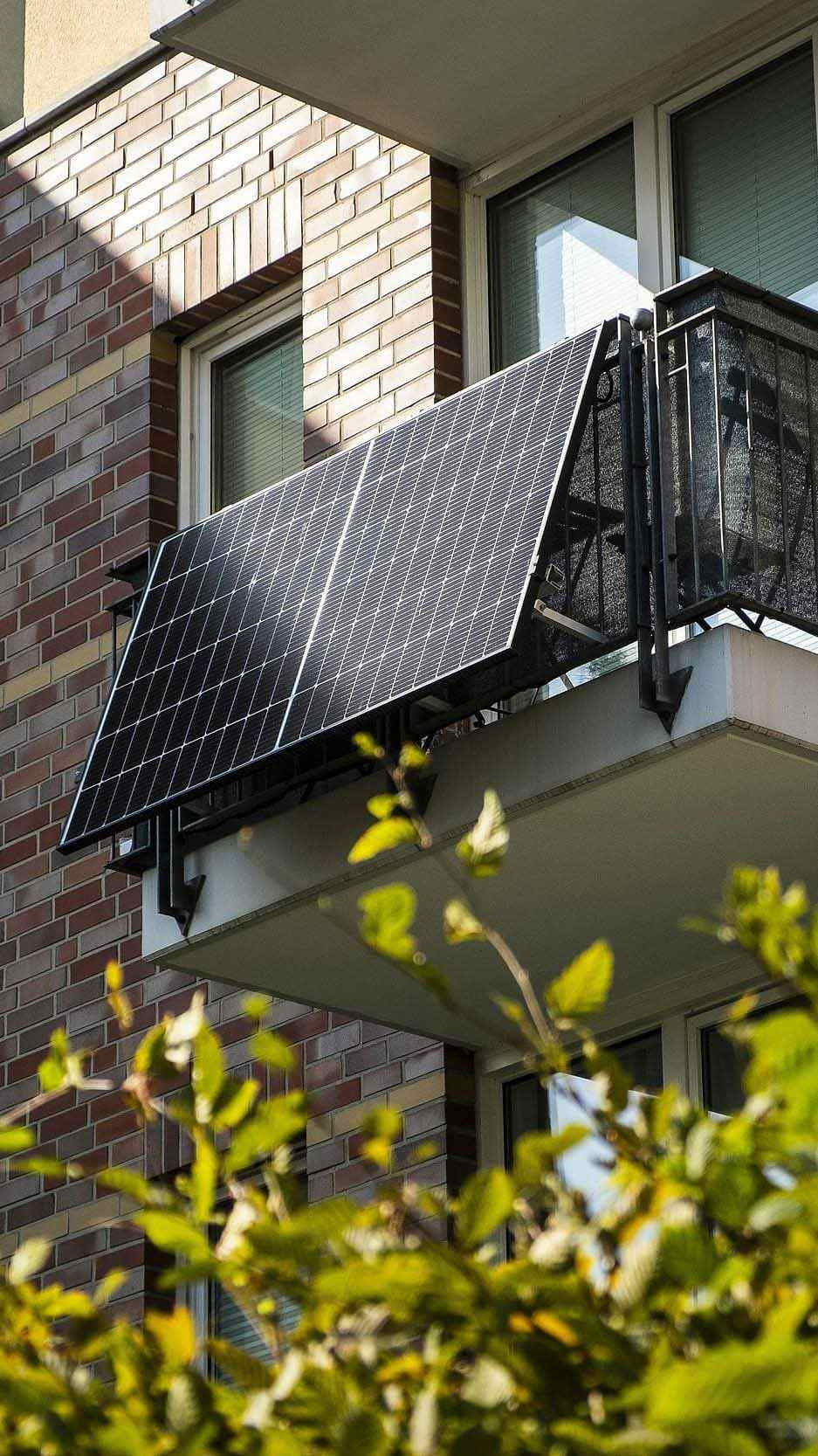
Comparative Lens: New Principles That Outperform Old Habits
Let us move forward and talk principles, not slogans. The systems I trust now run a layered control stack: device-level BMS safeguards, inverter droop control to smooth transients, and an EMS that acts like an edge computing node instead of a distant, laggy cloud. When we deploy these as coherent residential energy storage solutions, three shifts matter. First, predictive dispatch beats reactive switching; a day-ahead price model tuned to local irradiance and load shapes keeps the battery above its “comfort SOC” before dinner peaks. Second, topology matters: modern bidirectional power converters with fast PLL response do not stumble when the HVAC cycles. Third, open protocols—Modbus TCP with published registers, or CAN mappings that installers can audit—cut downtime when you need to diagnose harmonics at 10 p.m. on a windy Wednesday. I learned that the hard way during a lake-effect storm outside Duluth—yes, I drove back for a 30-minute firmware roll-back.
What’s Next
We are entering a practical phase: residential batteries quietly join feeder-level orchestration. Think Volt/VAR support at the edge, plus UL 9540A-validated enclosures that do not turn a garage into a compliance project. I see two trajectories. One is the case we measured in Bexar County this spring: a 15 kWh LFP system, 92% round-trip efficiency, using tariff-aware charge windows to shave 1.8 kW off the evening peak. The other is near-future: inverter fleets coordinating by feeder segment to stabilize voltage bands during heat waves, with homeowners paid for fast response. Compared with the old “just back up the fridge” mindset, this model values stability, not just survival—and the payback math finally respects that. I am careful with claims, but the field notes are consistent: better EMS forecasting, cleaner switching, and predictable thermal management deliver calmer homes and cleaner bills—simple sentence, earned over years.
To choose well, I suggest three metrics that do not lie. Measure dynamic response: sub-cycle transfer without light flicker during a 2–3 kW step. Verify operational transparency: accessible EMS logs, clear SOC floors, and editable dispatch rules without a support ticket. Confirm safety and serviceability: UL 9540/9540A compliance, documented derating above 35°C, and parts-on-hand within 72 hours. If a vendor hesitates on any of these, I move on—quietly, but firmly. That is how I protect homeowners and small installers who trust my signature on a design set. And if you want a neutral benchmark for your short list, I keep my notes open; the brand page is here: HiTHIUM.
