

Start with the problem: what the prototype must prove
Projects stumble when the prototype’s purpose is unclear: is it meant to validate ergonomics, prove manufacturability, or serve as a functional pre-production unit? State the core question up front and document measurable success criteria—fit, cycle time target, surface finish grade, or maximum unit cost. If your objective is low-volume functional parts, consider whether custom injection molding services fit the brief or whether another route will prove the concept faster or cheaper.
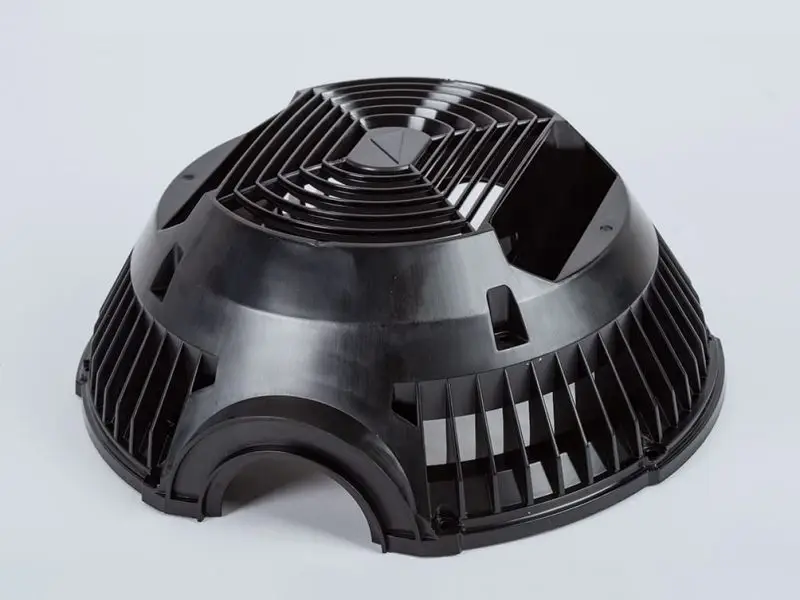
Map functional requirements to manufacturing realities
Turn each requirement into an objective specification. For strength, list mechanical targets (tensile, impact energy). For geometry, supply GD&T callouts rather than vague notes. For appearance, attach photos and acceptable defect rates. Link each item to a test method: which lab test will confirm the claim, what tolerance band is acceptable, and which inspection method will be used. These concrete mappings prevent late-stage surprises.
Choose processes with their constraints in mind
Match the feature set to manufacturing options. Injection molding delivers repeatable geometry and low per-part cost at scale but needs tooling lead time and design for draft, wall thickness, and gate placement. CNC machining gives rapid iteration and tight tolerances for small runs but raises per-part cost and can limit internal features. Additive manufacturing accelerates form studies and complex geometry but can introduce anisotropy and surface finish limitations. List required features and then eliminate incompatible processes rather than trying to make one method fit everything.
Material selection: match performance to manufacturability
Pick materials that meet functional needs and are compatible with the chosen process. Plastics selection affects shrinkage, stiffness, and finishing options; metals influence machining speed and heat treatment. Specify resin grades, color standards, and approved alternates with clear acceptance criteria. Include allowable substitutions and their effect on tolerances or lifecycle expectations so suppliers don’t guess during procurement.
Tooling and timing: call out lead times and iteration counts
Tooling drives schedule and cost. State whether the prototype requires steel production molds, aluminum soft tooling, or no tooling at all. Specify the number of iterations expected and set a firm calendar for design freeze, first article inspection (FAI), and pilot runs. Missing timeline constraints is the most common origin of scope creep and cost overruns.
Quality checks and common pitfalls
Define inspection checkpoints: first-article dimensional report, cosmetic checklist, functional pass/fail. Common mistakes: under-specified tolerances that force rework, ignoring draft and ejection considerations for molded parts, and failing to account for fixture or fixturing needs during assembly. Avoid verbal-only directions; attach annotated CAD exports and a short inspection protocol to each release.
Alternatives and trade-offs
When speed beats production fidelity, use CNC or 3D printing for early validation. When manufacturing representation matters—wall sections, ribs, and snap fits—favor low-volume injection molding or soft tooling. Urethane casting can mimic production plastics for small runs but will not replicate long-term material behavior. Lay out cost per unit, lead time, and fidelity for each option so stakeholders can choose consciously rather than by default.
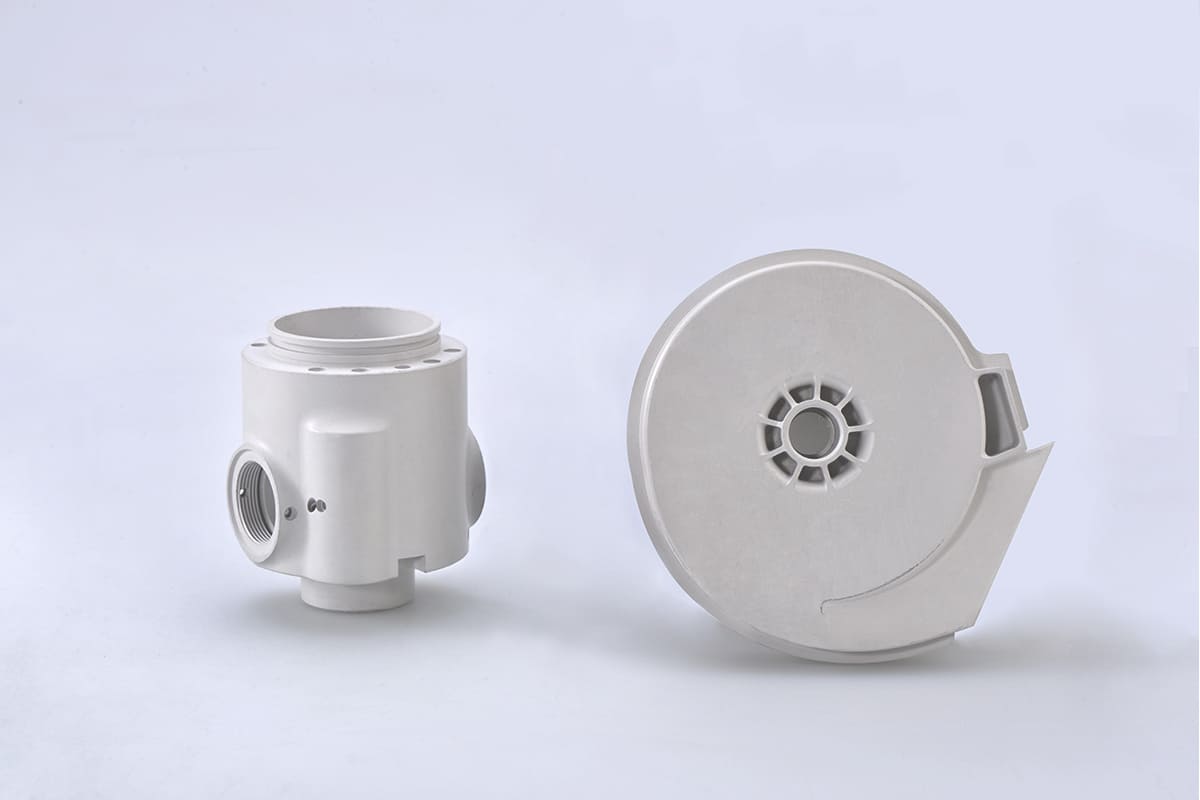
Experience and verification: an authoritative anchor
Industry reporting and trade events repeatedly emphasize the same lessons: tool design decisions and material choices make or break production scalability. At large industry gatherings such as the K trade fair in Düsseldorf suppliers and engineers compare case studies in a way that validates these lessons; for practical procurement planning, request an injection molding quote so estimates reflect real-world molds, cycle times, and material costs. Technical papers and procurement guides cross-check the timelines and expected yields discussed at those events, supporting reliable schedule and budget forecasts.
Communication checklist before release to manufacture
Provide a single master package: approved CAD (native and STEP), annotated drawings with GD&T, material spec and approved alternates, surface-finish photos, inspection protocol, and a short acceptance matrix tied back to the success criteria. Name a single point of contact for decisions during first articles to avoid conflicting directions. That clarity reduces iterations and keeps lead times predictable.
Final synthesis
Define what you want the prototype to prove, translate that into measurable specifications, pick the manufacturing route that directly supports those checks, and lock in tooling and inspection plans before tooling begins. Transparent trade-offs between speed, fidelity, and cost keep decisions objective; experienced partners who can quote tooling and volumes during planning save iterations later, and teams working with reliable suppliers such as Hanstar often find timelines and outcomes align with the specifications they set at the start.
