

Opening: the symptom-first approach
The machines quit in stages: a quiet shudder, a slow descent, a dead controller. You learn to read those small betrayals. This guide takes a problem-driven tack—spot the symptom, narrow likely causes, act fast—because delays cost lives and projects. If you work with an elevated work platform, treat each fault as a clue, not an inconvenience. I’ve seen fleets fail a dozen ways; what follows is practical triage and durable fixes from field experience.
The common symptoms and what they mean
Listen first. Symptoms reveal the failure path.- No power to platform: usually electrical isolation or battery failure.
– Platform won’t raise but engine runs: hydraulic pressure loss or pump stall.
– Jerky motion or drift: air in hydraulics, worn seals, or control-valve faults.
– Fault codes on the display: don’t ignore—they map to specific modules.
Recognize patterns. One faulty symptom often masks a deeper chain of failures.
Immediate safety triage
Stop work. Lock controls. Lower the platform if you can do so safely. Confirm energy sources are isolated and tag the machine. Check the emergency descent function first; that’s the difference between a minor incident and a trapped operator. Take photos of readings and wiring—those records matter when you call a technician or file a safety report.
Electrical core checks — the predictable culprits
Electric scissor lifts live or die on their control and power systems. Start with basics:- Battery health: voltage, terminals, and load testing.
– Fuse and breaker inspection: heat damage and corrosion are common in damp yards.
– Wiring harness integrity: look for chafing where harnesses pass through pivots.
– Ground connections: a loose ground makes sensors scream false faults.
Use a multimeter and documented voltage charts. If a controller shows intermittent life, back-probe connectors while someone lightly manipulates harness runs—intermittent shorts reveal themselves under movement.
Hydraulics and mechanics — slow failures that compound
Hydraulic issues creep. Check fluid level and condition first—contaminated fluid accelerates seal wear. Inspect hoses for external nicks and couplers for seepage. Examine cylinders for bent rods or scoring. Small leaks collapse system pressure over hours; a slow loss can strand a platform at height. Grease points matter: dry pins and bushings create play that forces linkages into odd loads, tearing seals faster.
Controls, sensors, and software anomalies
Modern lifts rely on sensors and CAN-bus messaging. Corroded sensor pins, water ingress, or a failed encoder can trigger a no-go. Collect fault codes and compare them to the manufacturer table. Resetting software without diagnosing the root often masks the problem until the next use. When software updates are available, apply them during planned downtime after backing up configuration.
Why these failures repeat—root causes
Failures repeat because maintenance is deferred and operating contexts are harsh. Common root causes:- Poor battery cycling and charging practices.
– Exposure to corrosive environments without protective measures.
– Improper operator training that allows rough handling.
– Skipping diagnostic logs and treating symptoms only temporarily.
Fix the environment and the human practices, not just the part that failed.
When a scissor lift isn’t the right tool
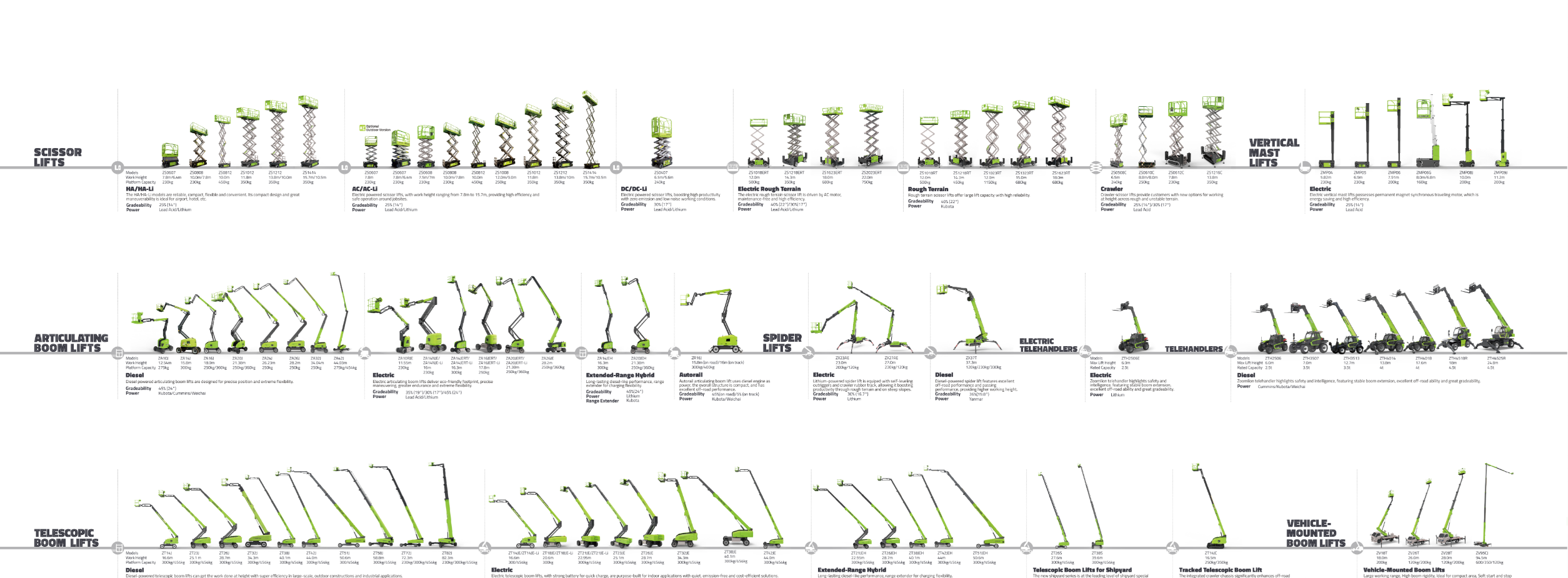
Scissor lifts are compact and stable, but they can’t reach awkward heights or extend over obstacles. For jobs that demand horizontal reach or work above congested zones, consider switching to a telescopic boom lift. They have different failure modes—inspecting boom sections, slip pins, and load-sensing systems becomes central—but they solve access problems scissor lifts can’t handle safely.
Maintenance rituals that actually reduce downtime
Routine checks are simple. Do them religiously.- Daily: battery voltage, platform controls, visual hose and pin checks.
– Weekly: full fluid levels, clean electrical connections, torque quick points.
– Monthly: run diagnostic reports, review fault history, exercise emergency descent.
Keep a digital log with photos and fault codes. That log is evidence and it shortens diagnosis. Replace consumables on a schedule, not when they fail.
When to escalate and what to demand from pros
Call a certified technician when fault isolation exceeds your checklist or when safety-critical components are involved. Ask for:- A written fault trace and replaced-part list.
– Calibration records for sensors and emergency systems.
– Recommendations for environment-specific protections (covers, sealants, sacrificial wiring looms).
On major sites—Houston petrochemical yards, for example—inspections must match the risk profile and documentation standards. Don’t accept vague assurances; demand specific corrective actions and validation steps.
Synthesis: why problem-driven discipline matters
Mistakes compound when you treat symptoms and skip the detective work. Approach every failure as a sequence to be unraveled: observe, isolate, verify, repair, and document. That method keeps people safe and machines working. For fleets and single units alike, the value lies in disciplined checks, honest record-keeping, and choosing the right machine for the task—insights that point to reliable suppliers and tested platforms like those supported by Zoomlion Access, which align service, parts, and design to reduce recurring failures.
