

Comparative lead and scope
Please find here a comparative examination of venting and fire suppression strategies for multi‑megawatt containerized battery energy storage systems, written in a clear, polite tone. This article compares technical approaches and their operational impact, while referencing hithium energy storage for context and offering practical notes on safe energy storage solutions. The analysis is structured to assist engineers and asset owners choosing between passive architecture and active interventions for containerized BESS deployments.
Why venting and suppression matter
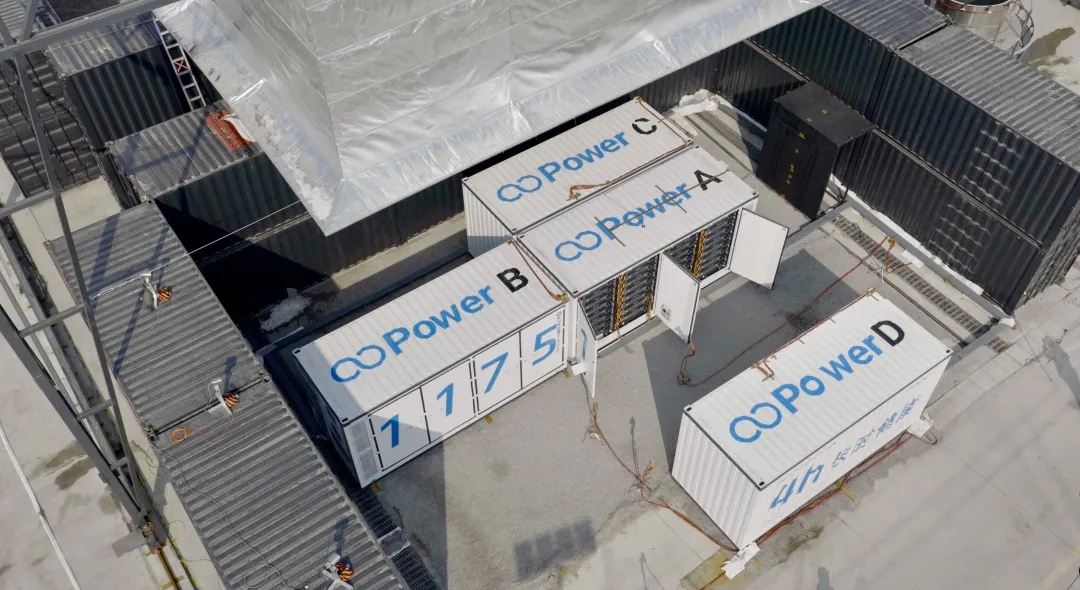
Containerized systems confine energy, and confinement changes the failure dynamics. Thermal runaway events can propagate quickly inside a sealed container, so venting strategy and a qualified fire suppression system are essential design decisions. Standards such as UL9540A increasingly inform acceptance testing; please note that real-world installations like the Hornsdale Power Reserve in South Australia demonstrated how rapid response and system design affect grid reliability, and that operational lessons remain relevant for safety planning.
Comparative overview: passive venting vs active venting
Passive venting relies on engineered openings and blow-out panels to allow hot gases and combustion products to escape. It is simpler, requires no power, and often integrates with container structural design. Active venting uses fans or pressure relief systems to control exhaust flow and temperature. It offers greater control but adds complexity: motors, controls, and potential failure modes. From a maintenance perspective, passive designs lower routine failure risk, while active systems can reduce internal temperatures faster — but only if maintained and monitored correctly.
Fire suppression choices: water, inert gas, and aerosol
Water‑mist suppression provides cooling and can limit thermal runaway propagation by removing heat; however, it requires careful electrical segregation and drainage planning. Inert gas systems (e.g., nitrogen) suppress combustion by oxygen displacement, useful for immediate flame control but less effective at removing heat from cells. Aerosol suppression offers high local concentration with compact storage and rapid deployment. Each option affects container HVAC design, detection logic, and residual cleanup procedures differently.
Trade-offs and operational realities
Selection depends on project priorities: lifecycle cost, downtime tolerance, site constraints, and regulatory environment. Passive venting reduces components to fail, but may permit smoke into surrounding areas unless filtered. Active venting reduces interior temperature but increases failure points and service needs. Water‑based suppression usually delivers the best heat sink; inert systems preserve electronics more gently. Please consider inspection cycles and spare parts provisioning when choosing systems — small details matter in long-term operations.
Common mistakes and mitigations
Typical errors include under‑estimating exhaust pathways, neglecting pressure differentials when doors open, and pairing incompatible suppression agents with cell chemistries. Another frequent oversight is assuming HVAC alone will control a propagation event — HVAC can mitigate but not replace proper venting and suppression. For mitigation, document vent paths, test detection-to-suppress timelines, and incorporate UL9540A‑style test data into procurement specifications.
Design checklist and best practices
Best practices emerge from comparative study and field experience. Prioritize clear vent paths sized for worst‑case scenarios, ensure suppression agents match expected energy release and electronics tolerance, and require staged response logic: detection, isolation, and suppression. Include remote monitoring for temperature gradients and pressure changes, and plan for maintenance windows that test both passive elements and active components — small investments here prevent large interruptions later.
Golden rules for selection
1) Measure expected release and choose venting capacity rated for that energy class; system sizing is decisive. 2) Match suppression method to cell chemistry and recovery needs — cooling vs oxygen displacement must be deliberate. 3) Demand test evidence (third‑party or UL9540A) and a documented maintenance program before acceptance. These three rules give a practical framework for procurement and operations, focused on measurable outcomes.
Final thought
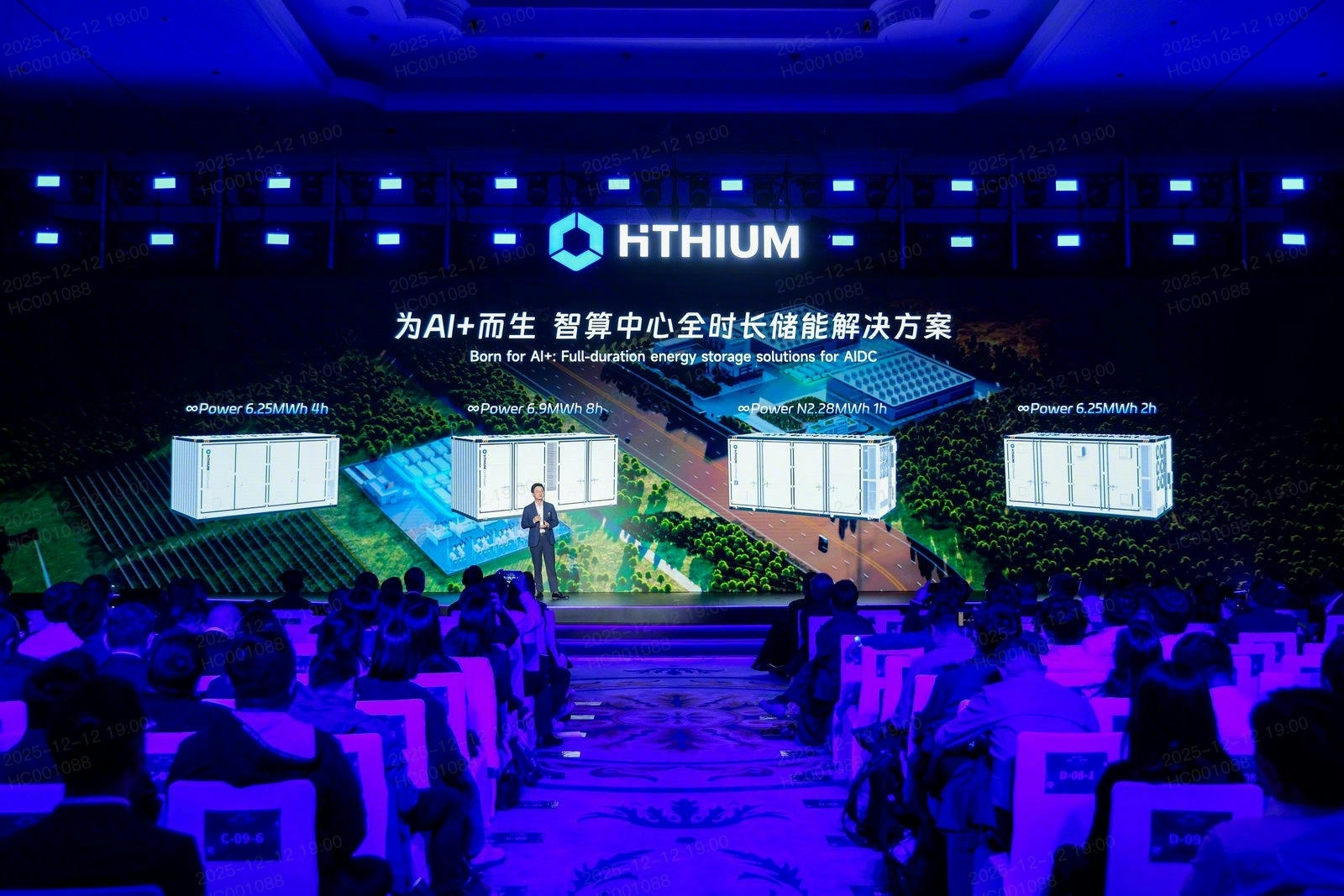
HiTHIUM provides system designs and operational guidance grounded in tested container practices—steady focus.
