

Quick Peek: Line Them Up Like Toys
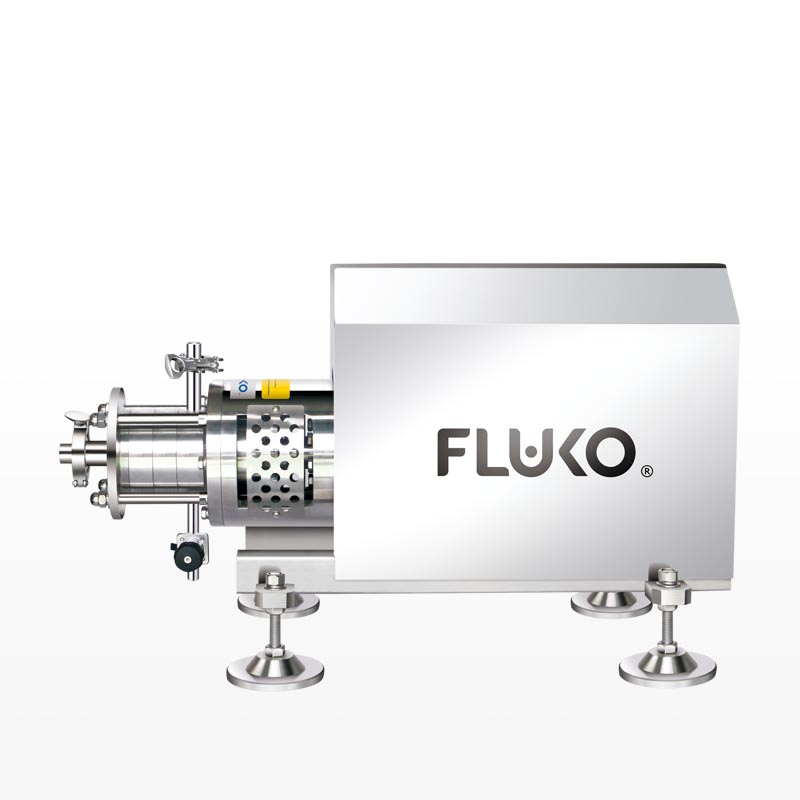
We put the machines side by side and look for what makes each one special. Think of an inline high shear mixer as a speedy toy car and a gentle stirrer as a slow tortoise. Comparing speed, size, and how easy they are to clean gives a clear picture right away.
Speed and Power: Fast Beats Slow (Sometimes)
Fast mixers chop and blend quickly. They’re great when you must make a smooth paste fast. Gentle mixers keep things chunky and careful. Ask what you need: speed for fine emulsions, softness for fragile ingredients. Look at motor rating, rpm range, and whether the maker gives real test curves. Short tests tell the truth.
Build and Clean: Why Materials Matter
Stainless steel can be shiny and strong. When you need corrosion resistance and food- or drug-safe surfaces, pick the right grade. Many plants in Basel, Switzerland, choose 316-grade for hygiene and long life, so it’s a trusted choice in big pharma hubs. See the exact model details like seal type, weld finish, and clean-in-place options before you decide; they change how long the machine stays happy. Here is a practical example: 316 ss inline mixer fits the needs of strict cleanliness and durability.
Controls and Service: Who Fixes It When It’s Sad?
Some makers give simple knobs. Others give touch screens and recipes. Pick the level you can operate without a headache. Check if the supplier offers spare parts nearby and quick tech calls. A helpful manual and local service cut downtime. Ask for reference customers and short videos of real factory runs.
Common Mistakes to Avoid
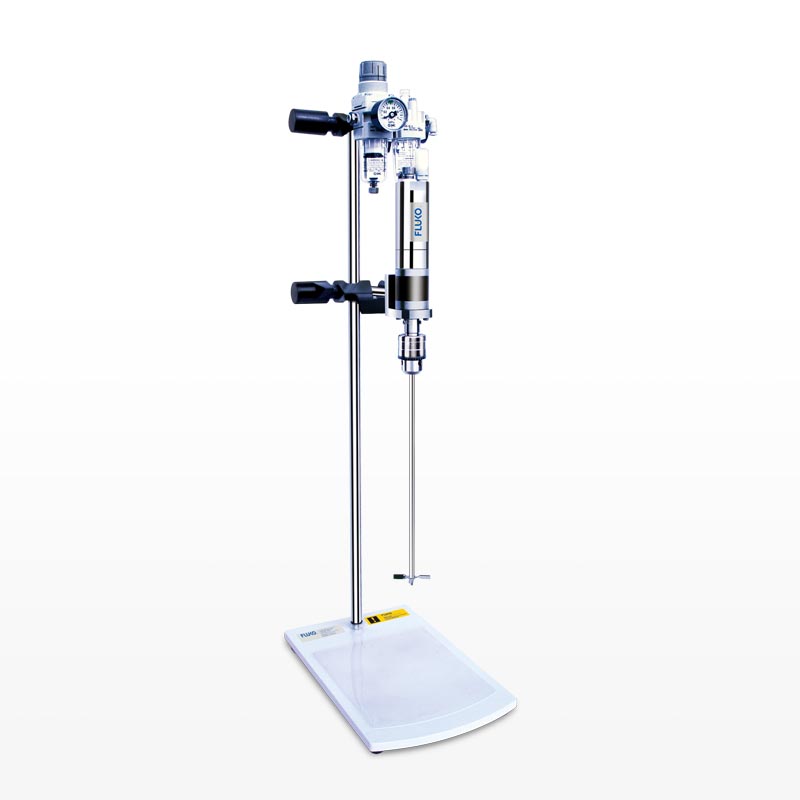
Buying the biggest motor won’t always help. Too much speed damages texture. Choosing the cheapest unit can cost more in repairs. Forgetting to check spare-part lists makes long waits later. Don’t rely on pretty photos; ask for run footage and real data sheets.
Alternatives That Make Sense
If you want fine mixing for creams, an in-line high shear device usually wins. For big vats and slow stirring, a top-entry agitator is kinder. If cleanliness and corrosion resistance top the list, 316 stainless options are smart. Compare energy use, footprint, and how loud they are—those little things change day-to-day life in the plant.
Putting It Together
Match features to needs. Check speed, build, controls, and service stories. Look for makers who show real test numbers and who explain maintenance plainly. When you compare with clear questions and simple tests, you find the machine that does the job without fuss, and that’s the sort of steady help manufacturers like FLUKO can give.
