

Problem first — what’s messing up the job
Look, engineers and buyers get burned when mixers show up pretty on paper but choke on day one. You order torque and speed; you get cavitation and wasted batch time. That’s why folks start by hunting for industrial mixing solutions—not for the hype, but to stop losing product, time, and face. This piece breaks down the real problems so you can spot them before they cost you a plant shutdown or rebate drama.
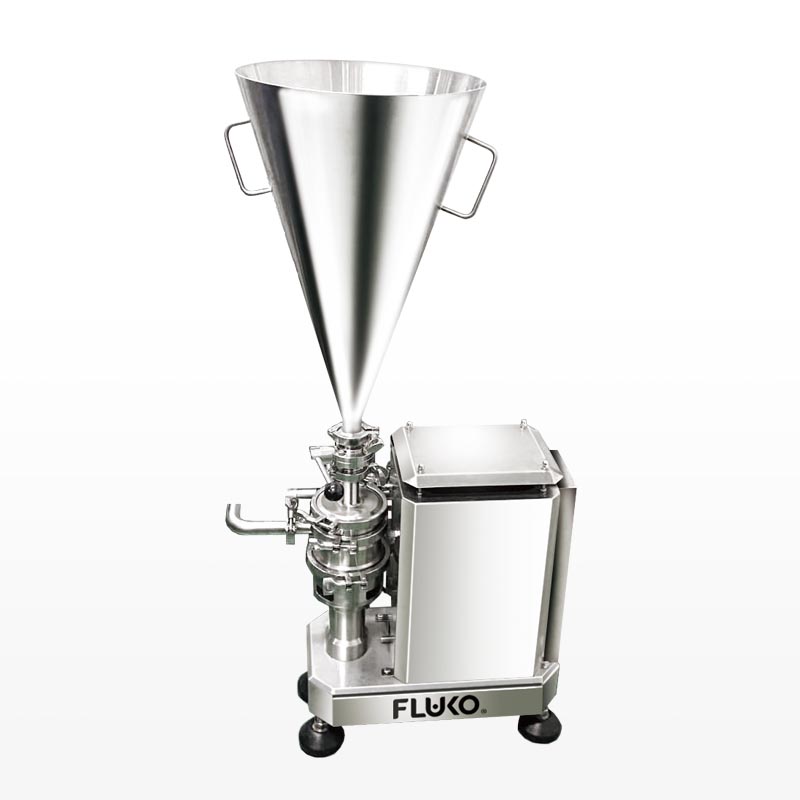
Core technical problems that never go away
Scale-up lies. Material mismatch. Shear where you don’t want shear. Cleanability that’s a nightmare. Pick any one and your batch yields tank. Be specific: is your process shear-sensitive? Are you pumping viscous polymer melts or thin emulsions? Those differences change rotor choice, seal design, and motor sizing. Don’t chase general specs—solve the exact failure mode the process throws at you.
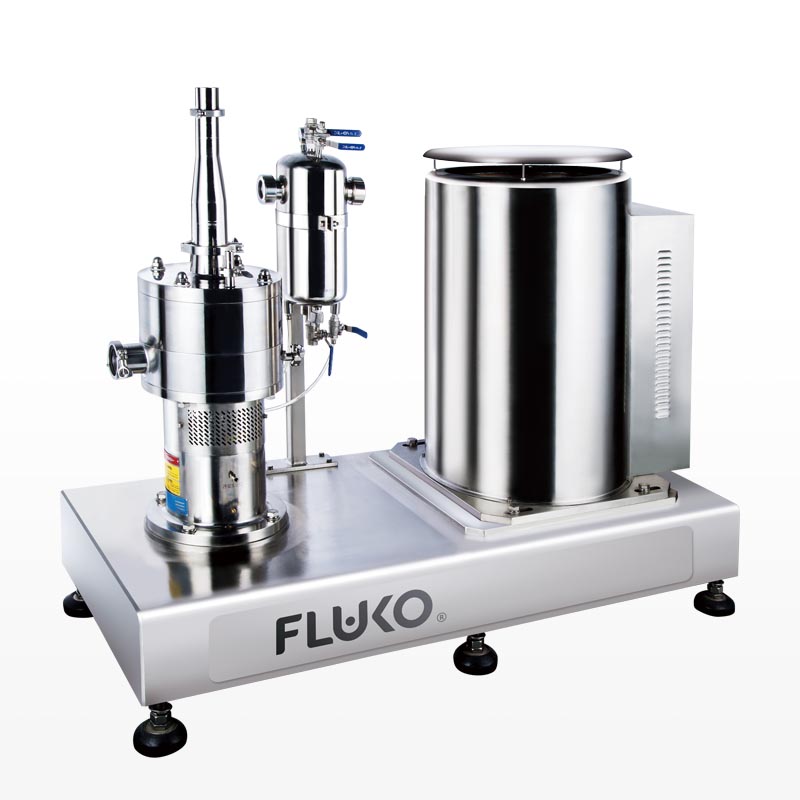
Concrete checks — what engineers should verify
Ask for power curves, not just max horsepower. Demand torque at operating RPM, and see the N·m numbers under load. Verify impeller geometry with CAD, not just vendor photos. Confirm NPSH and cavitation margins for high-flow recirculation. Verify CIP spray coverage with a dye test or a 3D validation. If the vendor can’t give engineering drawings and test reports, move on.
Materials and seals — stop guessing
Corrosion and abrasion kill uptime. Pick metallurgy for chemistry, not for marketing. Stainless types matter: 316L behaves differently with chlorinated solvents than duplex stainless. For seals, mechanical faces that survive dry runs and thermal shocks are worth the extra coin. If you rely on elastomer O-rings, map them against solvent swell charts—don’t assume FKM is always the answer.
Scale-up and validation — how to avoid surprises
Pilot results must translate. Use geometric similarity where you can, but check Reynolds and Péclet numbers; mixing time doesn’t scale linearly. Run a small-scale dye dispersion study, then reproduce it at pilot scale before you buy full production gear. Record shear history and temperature rise; those two control product structure more than RPM in many formulations.
Vendor selection — red flags and viable alternatives
Red flags: vague warranty terms, no field service network, or only glossy brochures with no test data. Viable alternatives are specialist vendors that publish case studies and offer witnessed FATs (Factory Acceptance Tests). Sometimes a modular agitator from a niche maker beats a one-size-fits-all global brand because it’s built for your problem, not their catalog.
Common mistakes buyers make
Buying on price alone, assuming certifications mean suitability, and skipping witnessing a run. Also, treating mixers as one-off purchases instead of parts of a process system—fittings, drives, seals, control loops matter. Overlooking maintenance access is rookie; if mechanics can’t get tools to the coupling in five minutes, downtime doubles.
Experience, authority, and a real-world check
I’ve seen the same issues on-site and on trade floors—real lessons come from places like ACHEMA in Frankfurt, where new tech meets real buyers and you can compare lab claims to live rigs. That kind of view matters because you can see how industrial chemical mixing equipment performs across scales and industries, and those comparisons show which design choices repeat in successful builds.
Decision checklist — quick and usable
Make this your punch list: 1) Define failure modes. 2) Get torque curves and CAD. 3) Match metallurgy to chemistry. 4) Insist on witnessed FAT and pilot replication. 5) Verify local service and spare parts lead times. Cross off each box before signing; do that and you cut most nasty surprises.
Wrap-up — what actually solves the problem
Solve for the process, not the brochure. Pick equipment sized for torque and shear you measured, require test runs, and lock down service coverage. Do that and the mixer becomes a tool, not a gamble—exactly the practical fix engineers and buyers need, the kind FLUKO shows up with when it matters.
