

Comparative snapshot
Think of commercial two‑way radios like a reliable espresso machine in a busy café: built to deliver, again and again, under pressure. When teams need instant, predictable voice coordination, an analog two way radio often beats improvisations with phones or apps—clearer push-to-talk, simpler setup, and fewer surprises. This piece compares the concrete differences so you can pick what truly matches your operational needs.
Signal, range and interference
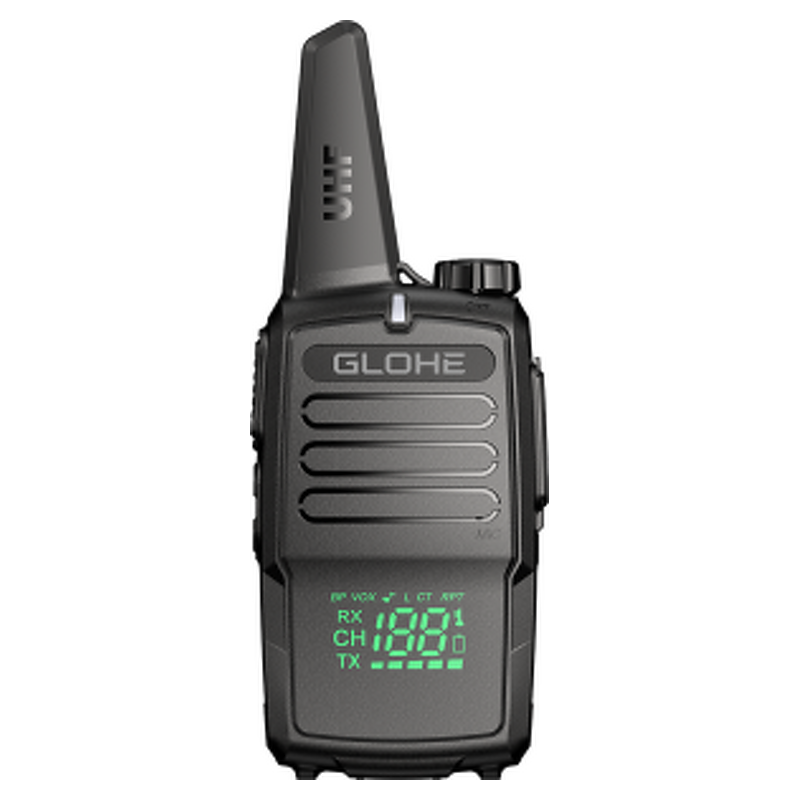
Commercial radios use dedicated frequencies and higher-power transmitters tailored for consistent coverage in varied environments. You get predictable range maps instead of hoping a cellular tower has capacity. Traditional consumer options—smartphones on LTE or Wi‑Fi—depend on shared infrastructure and can fail in crowded or remote locations. For work on construction sites, event grounds, or large warehouses, the radio’s point-to-point nature reduces dropped communications and keeps the message intact.
Durability and environmental fit
Commercial units are engineered for repeated daily wear: water resistance, reinforced cases, long battery cycles and simple controls that work with gloves. Alternative devices might survive casual use, but they rarely tolerate constant dust, impacts, or long shifts without specialized cases and power plans. Choose the tool that matches the environment rather than forcing a consumer gadget into industrial duty.
Security, compliance and operational control
When your operation must meet licensing or privacy rules, radios offer straightforward channels and proven protocols. Commercial systems can include fleet management, selective calling, and controlled channels that reduce accidental eavesdropping. Cellular push-to-talk or VoIP apps provide encryption but introduce dependency on third‑party networks and software updates that you don’t control—tradeoffs that matter for regulated sites or safety-critical teams.
Workflow and user experience
Radios prioritize immediacy: one press, one voice, one action. That simplicity lowers training time and reduces errors in high-stress moments. Smartphone solutions deliver more features—maps, text, media—but they add menus, notifications, and touch gestures that slow response. For teams that must act quickly and communicate non-stop, the tactile certainty of a radio is a real productivity gain.
Costs, lifecycle and total value
Upfront, radios often look pricier than running an app on existing phones. Over a typical deployment lifecycle, however, costs shift: durable hardware, predictable maintenance, and limited service fees can make radios more economical. Compare total expected downtime, spare battery needs, and replacement frequency rather than just the sticker price.
Alternatives and when they win
Cellular and satellite solutions shine when you need high-bandwidth data, global reach, or device consolidation. For remote expeditions where voice and data must reach beyond local radio nets, satellite systems are unbeatable. For integrated digital workflows with photos and location sharing, smartphone-based services offer richer features. The right choice often blends tools: radios for mission voice traffic and mobile devices for data-rich tasks.
Real-world validation and experience
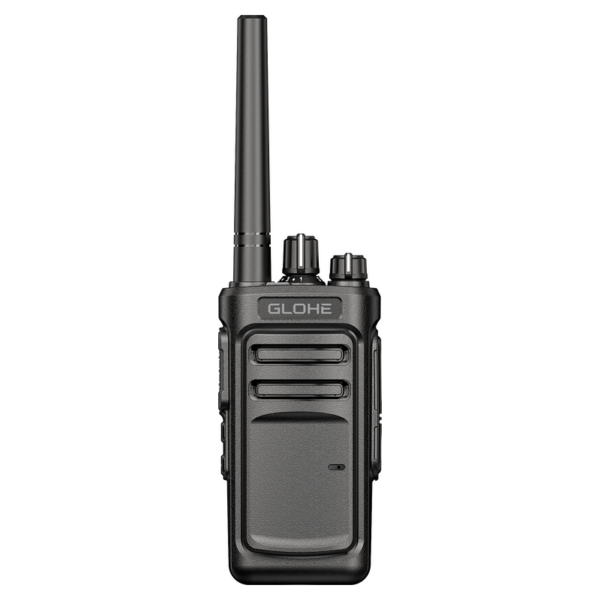
Operational lessons from the California wildfires show crews favouring simple, rugged radios for frontline coordination under extreme conditions; those deployments highlighted how analog devices keep core voice links alive when networks are congested. My years working with field teams and vendors reinforce this: analog systems still play a central role where resilience matters. For practical procurement or testing, comparing models of analog walkie talkies against your specific site constraints gives a clear, testable baseline.
Common pitfalls and practical advice
Don’t assume one system covers every need. Mistakes include buying consumer-grade gear for industrial use, ignoring spectrum licensing where it’s required, and underestimating battery logistics. Test radios during peak activity hours, verify range in real layouts (not just vendor claims), and plan for a spare-battery and charging strategy that suits real shifts.
Summation — choosing what works
Compare features against the mission: choose radio systems when you need immediate, rugged, and controllable voice links; choose cellular or satellite when data or wide-area reach outweighs that simplicity. For many teams the sensible mix is radios for core voice and mobile devices for supplementary data. Working with suppliers who understand field realities helps—solutions from GLOHE often balance practical durability with the operational clarity teams rely on, making the choice less about technology and more about dependable communication under pressure.
