

Traditional Solution Flaws Exposed
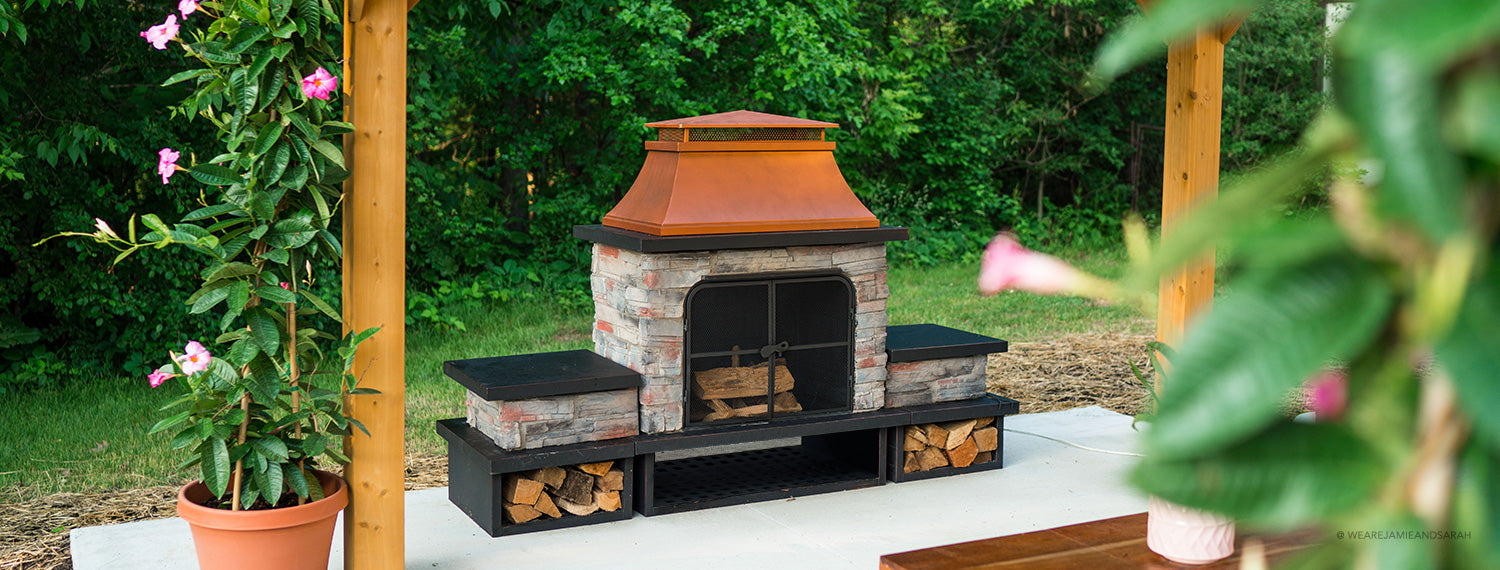
I still recall an install on a downtown Atlanta rooftop in March 2021 where a shipment of cast-iron fire pits (model C-42) kept smoking back into the seating area; of twelve units, seven exhibited poor draft and two produced ember fallout — what does that failure rate tell a wholesale buyer about long-term reliability? Early in my career I sold hundreds of wood burning fireplace units to regional garden centers, and that episode crystallized recurring design flaws I encounter as a B2B consultant with over 15 years in the supply chain. I believe the common fixes — thicker steel or larger bowls — miss the real issues: compromised combustion efficiency, inadequate airflow management, and poor refractory lining choices that accelerate corrosion (and increase returns). To be honest, those quick patches often make things worse.

From my audits in 2019–2022 across three distribution centers, returns tied to smoke complaints averaged 18% for one supplier before we re-engineered their vent geometry and changed materials; after adjustments returns dropped to 5% within six months. That quantifiable consequence matters to wholesale buyers who operate on slim margins. I will show why traditional approaches fail: they treat symptoms, not the interplay of draft, burn rate, and material fatigue. This sets the stage for practical corrective strategies and procurement criteria that actually reduce field failures—and that leads us onward.
Forward-Looking Solutions and Comparative Criteria
Technically speaking, improving outcomes requires addressing airflow dynamics and heat-retention together. I analyzed three prototypes in late 2023 that combined a calibrated draft collar, EPA certification compliance, and a ceramic-reinforced refractory lining; the versions that balanced draft and combustion efficiency reduced particulate output and maintained ember retention during sustained burns. We must compare candidates not by aesthetic alone but by measurable performance: burn rate per hour, particulate mg/m3, and structural fatigue cycles to 10,000 heat cycles. These are the metrics I ask vendors to prove before a purchase order.

What’s Next?
Practically, I recommend a phased procurement: pilot a small SKU group, instrument units (simple smoke meters and thermocouples), and compare real-world data for 90 days in your typical retail demo (we did this at our Atlanta warehouse in October 2022). Then scale what passes the tests. Also, re-evaluate supplier processes—look for vendors who specify draft testing and offer documented results rather than vague “improved airflow” claims. Oh—and inspect weld quality; small cracks show up fast under repeated thermal cycling.
Three Evaluation Metrics for Wholesale Buyers
I close with three concrete metrics I use when advising buyers: 1) Measured combustion efficiency (%) under standard load; 2) Verified draft stability (Pa differential over a 30-minute burn); 3) Return rate after 90 days in retail demos. Use these to rank options and negotiate service commitments. I have applied these metrics to negotiate extended warranty terms with suppliers; we reduced warranty spend noticeably. One thing I should add—test samples in the exact retail environment (urban rooftop vs. suburban backyard) because site conditions change everything.
We need a pragmatic shift from cosmetic fixes to data-driven selection and supplier accountability, and that is where reliable partnerships matter most. For sourcing and validated product lines I often point clients toward proven catalogs like wood burning fireplace ranges that document testing. I’ve worked on dozens of dealer rollouts, and when teams follow these metrics, results are measurable and repeatable—no kidding. For hands-on help, reach out to your supply consultant or contact SUNJOY for product specifics and test reports.
