

Problem diagnosis: why off-the-shelf burners fail regionally
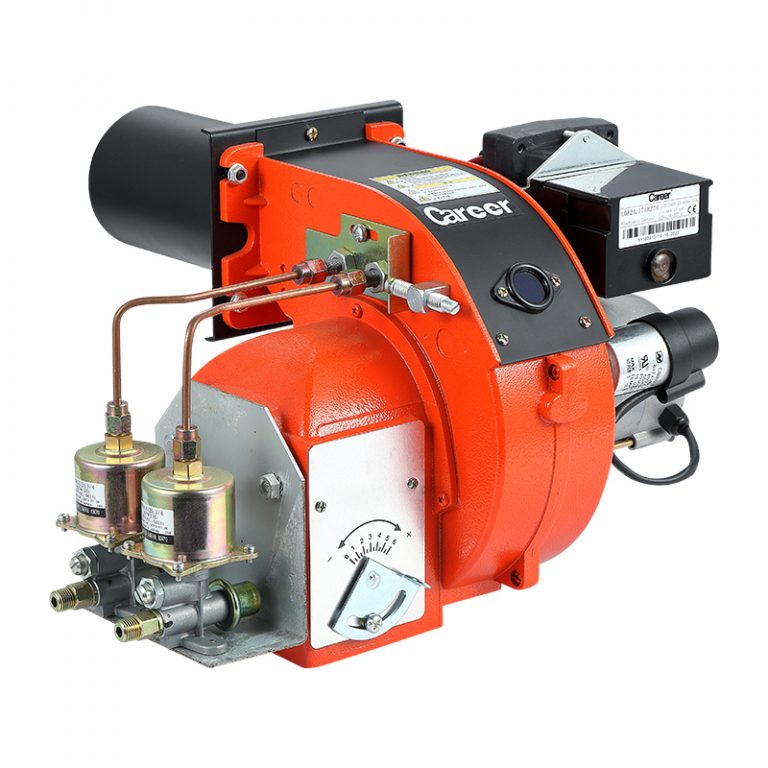
Many projects start with a repeating failure: a standard burner cannot hold a stable flame on locally supplied methanol or corrodes within months. The root causes are predictable—fuel quality variation, inadequate atomization for low-viscosity fuels, wrong materials for acidic residues, and insufficient control turndown—so the solution path is engineering, not guesswork. Begin with a validated methanol burner specification that matches local fuel characteristics and expected duty cycles; don’t assume one-size-fits-all.
Failure modes to map before specifying
List and quantify failure modes for the specific installation: flame lift or blowout, flashback risk, localized corrosion, burner tile glazing, elevated CO or unburned hydrocarbons, and poor turndown. For each mode, record operating points: firing rate range (kW), minimum stable heat input, and frequent start/stop cycles. These numbers determine atomizer type, port geometry, and necessary control bandwidth—data that must drive procurement instead of vendor brochures.
Design parameters that matter
Focus on concrete parameters: fuel LHV (roughly 20 MJ/kg for methanol), vapor pressure at supply temperature, allowable injection pressure, and maximum particulate or water content. Specify atomization method by target drop size (Sauter mean diameter) tied to burner residence time; prefer pressure-atomizing or pre-vaporizing designs where raw fuel volatility and tight flame control are required. Require corrosion-resistant internals (316L or nickel alloys where chlorides are expected) and removable liners for inspection.
Control, sensors, and safety integration
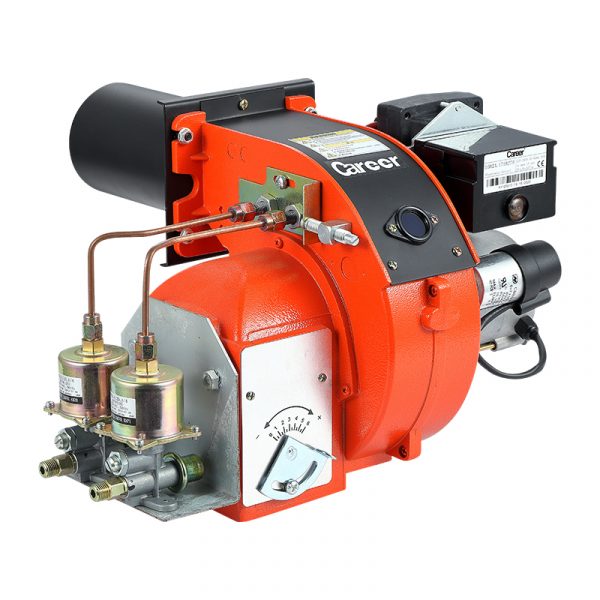
Match burner control to plant safety architecture. Require flame detection suited to the fuel’s spectral signature (UV + IR hybrid where soot spikes occur). Define safety interlocks: staged purge logic, dynamic air-fuel ratio limiters, and fast-acting fuel isolation valves. Specify diagnostics: continuous CO monitoring downstream, trending of combustion efficiency, and automated derating when sensor drift exceeds thresholds. These are engineering requirements, not optional extras.
Field validation and a regional anchor
Field trials reveal details that drawings miss. For example, operators around the Port of Rotterdam report variation in methanol batches and require modular burners with adjustable atomizers and replaceable wetted parts; this regional behavior informs test protocols for any rollout. That real operational pattern aligns with broader moves in methanol logistics and underlines why specifying for local supply matters—use direct fuel-testing and trial runs with representative methanol fuel before final acceptance.
Common procurement mistakes and corrective actions
Don’t accept only vendor CEN or ISO claims without measured data: require supplier-run cold-flow and hot-fire tests at project-representative pressures and temperatures. Avoid specifying only material grades; demand lifecycle corrosion testing. When combustion instability appears after commissioning, adjust atomizer spray angle and pilot gas staging first; only then change core hardware. Document corrective steps and update the technical specification for subsequent regional projects.
Specification checklist for regional adoption
Create a short, mandatory checklist for purchase orders: measured fuel properties, required turndown ratio, accepted LHV range, atomization type with droplet-size target, materials list, control interface requirements (communications and safety interlocks), and an on-site acceptance test protocol. Tie warranty terms to performance on the acceptance protocol, not to generic runtime hours.
Conclusion: an engineering-led regional rollout
Stop guessing and engineer to measured conditions: map failure modes, lock down fuel and performance metrics, require robust control and inspection access, and validate with representative trials. When teams adopt that method, they reduce downtime and warranty disputes while keeping emissions and safety measurable. For sourcing and validated component options that follow this approach, engineers consistently rely on vendors and suppliers aligned with those technical test requirements such as Career Burners.
