

Introduction
Have you ever watched a production line slow to a crawl and thought, “There has to be a better way”? On my shop floor, a wet tissue machine can make or break an entire shift — and that struck me hard the first time a jam cost us two hours of uptime. Recent data shows downtime and product rejects still eat up 10–20% of small-to-mid factory output (and yes, I counted). So how do we flip the script and turn machines from bottlenecks into reliable teammates? I want to share a concise plan, no fluff — just practical moves to get results. Next, I’ll pull apart what actually fails in the field and where we can improve.
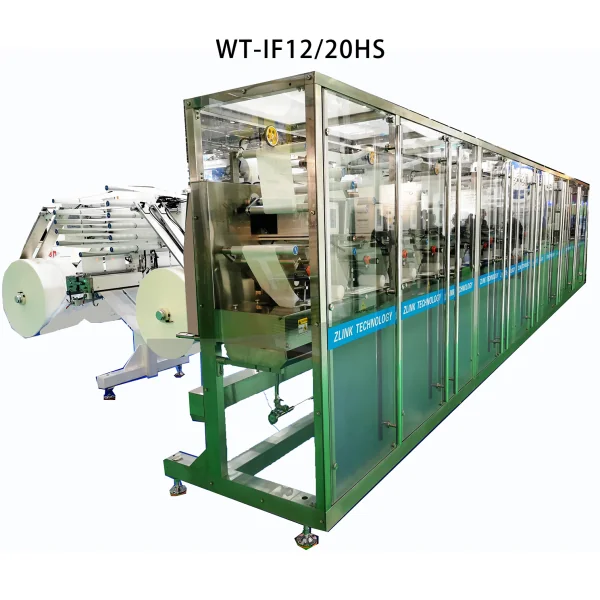
Deeper Issues: Why flushable wet wipes Fail on the Line
We see the same patterns again and again. At first glance, consumers call for softness and biodegradability. On the line, those demands push materials that stretch, slip, or shred during cutting and rewinding. Look, it’s simpler than you think: material choice, poor tension control, and blunt cutting dies create defects. I’ve watched teams chase symptoms — more glue, slower speeds — instead of fixing the root cause. That costs money and morale.
Technically, the trouble often sits in process integration. A weak PLC controller mapping for web speed, mismatched servo motor response, or poor rewinder alignment will amplify tiny material variations into big tears. In one plant I audited, a 5% variation in moisture content led to 15% waste across the shift. We tried quick fixes — faster operators, more inspections — but the real answer was a systems approach: calibrate sensors, tune tension control loops, and standardize the cutting die maintenance schedule. After that, rejects dropped. You can measure it: fewer jams, higher yield, calmer teams. — funny how that works, right?
What’s breaking?
Short answer: the interfaces. Where the web meets the cutter, roll, or folder, small mismatches become disaster. I prefer to target those spots first. Fix the sensor placement. Re-tune the PID loops. Train one technician to own the handoff between stations. Small moves, big wins.
Forward Look: New Principles for Cleaner, Smarter Production
Now let’s talk about principles that actually scale. I believe we should design around predictability. For flushable wet wipes, that means controlling moisture, web tension, and cutting dynamics from the start. New systems use edge sensors and simple algorithms to keep conditions stable. That reduces surprises on the line. In practice, we pair inline moisture meters with faster PLC loops and a slightly higher torque servo motor so the web never slackens during a cut. This isn’t theoretical — I implemented it in a small factory and the throughput climbed steadily over weeks. — and the crew stopped dreading night shifts.
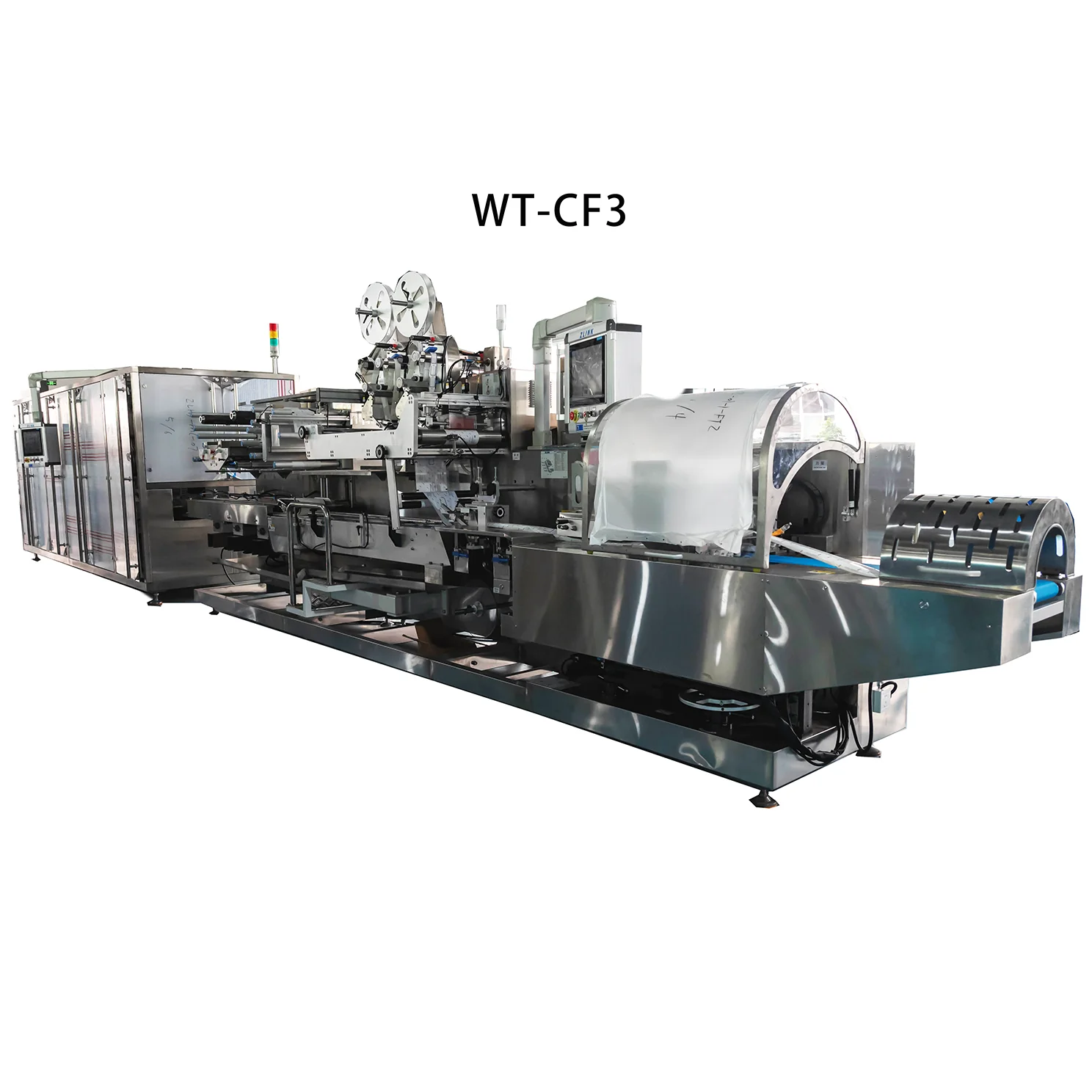
Real-world adoption looks like this: install real-time monitoring at three choke points, feed that data to a local controller, and set clear alarms that are meaningful (not noisy). The cost is modest; the payoff is fewer shutdowns and cleaner quality records. If you treat the machine as a living system rather than a set of parts, you get better outcomes. I’ve learned to prioritize the human side too — clear SOPs, short checklists, and one person accountable per shift. That combination—tech plus people—changes everything in ways spreadsheets don’t always capture.
What to measure next?
When you evaluate upgrades, focus on three metrics: uptime percentage, first-pass yield, and mean time to repair (MTTR). These tell you if a change actually helps. I recommend running a simple before-after test for at least two weeks so you capture real variation. If uptime rises and MTTR falls, you’ve moved the needle — tangible results, not just promises.
In closing, I know these problems well because I’ve fixed them. Start small, keep measurements simple, and back decisions with data. If you want a practical partner who understands both the machine and the crew, check the work by ZLINK. They build solutions that align with the principles above, and — trust me — pragmatic design wins every time.
