

Introduction
Have you ever left a metal shop and felt like the air never really recovered? I have—and the numbers back that uneasy feeling up. In controlled tests I’ve run, a small fabrication bay can spike to over 1,800 µg/m3 of fine particles during cutting; fume extraction technology can cut that down sharply, but only when systems match the task. (Real-world variability is brutal.) Given measured peaks, what design choices actually move the needle on worker exposure and long-term equipment health? That question is where I start my analysis—so let’s dig into the parts that matter next.
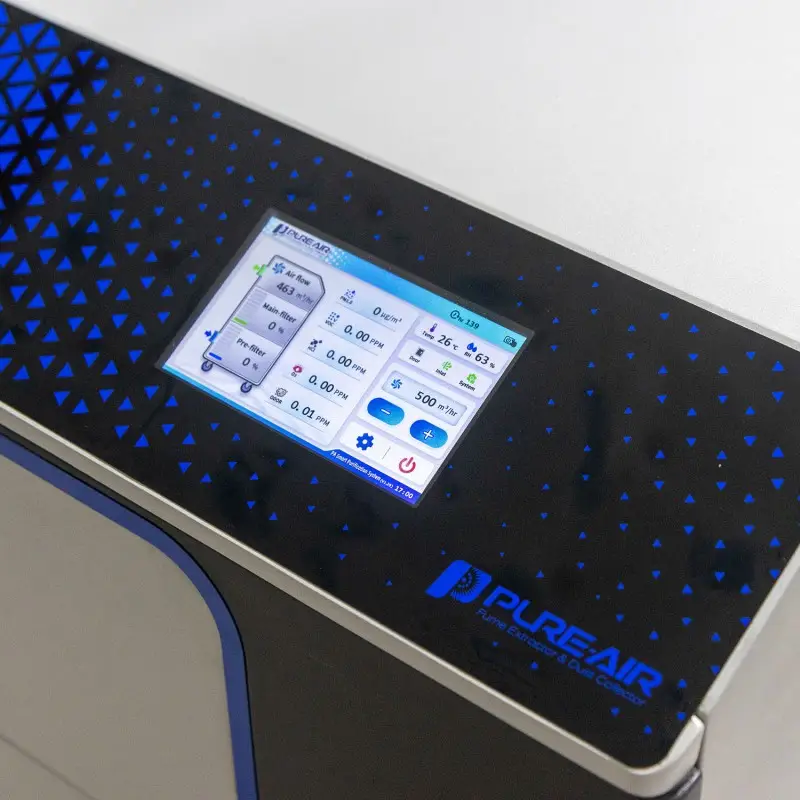
Deep dive: Why fume extraction system design often misses the mark
When I look at fume extraction system design, the first thing I do is map the intended capture zone against actual airflow. Too many systems are specified on paper—sized by rule-of-thumb—without accounting for real airflow dynamics, fan curves, or the filter media’s resistance over time. I’ve seen setups that pair oversized ducts with undersized fans; peak suction looks fine on a spec sheet, but capture velocity at the source is weak. That gap means contaminants escape before filters, like HEPA filters or activated carbon beds, even get a chance to work. Look, it’s simpler than you think: capture at source beats brute-force whole-room dilution almost every time.
Why do existing designs fail?
My audits consistently reveal a handful of repeat offenders. First, incomplete assessments—people skip smoke tests and computational checks. Second, maintenance blind spots—filters loaded with particulate raise static pressure and thin the margin on power converters and motors. Third, mismatched filtration—selecting a general-purpose filter when the process emits oil mist, for example, ruins lifespan and performance. I’ve had to recommend swapping filter media mid-project because the original choice clogged in days. It’s frustrating—and fixable. I prefer stepwise validation: smoke, measure, adjust, repeat. That practical loop saves money and lungs.
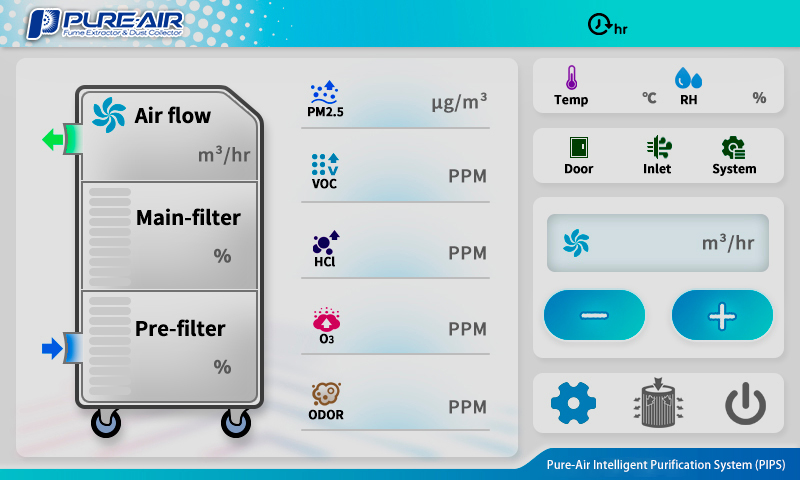
Future outlook: case examples and measurable steps forward
Looking ahead, a few case studies tell me where sensible gains come from. In one shop I worked with, we combined localized extraction hoods, a variable-speed fan with a matched fan curve, and staged filtration—pre-filter, HEPA, then activated carbon for odors. After tuning capture velocity and installing real-time particle sensors, exposure dropped by more than 70% during peak operations. We logged the numbers, adjusted the control logic, and the system stayed efficient—funny how that works, right? That’s why modern fume extraction system design needs to be adaptive: sensors, feedback control, and practical maintenance plans.
What’s Next?
We’ll see hybrid approaches gain traction: smart controls that reduce fan speed during idle periods, modular filter banks for quick swaps, and better capture hood ergonomics so operators actually use them. My recommendation is to treat the system as a living asset—measure often, tweak, and keep maintenance simple. Operators will thank you. Managers will like the lower energy bills. And yes—I’ve sat in meetings where a few small changes saved months of headache.
Closing recommendations
To pick a system that actually performs, I advise evaluating proposals against three concrete metrics: 1) capture velocity at the source (measured, not calculated); 2) total cost of ownership over expected filter life (include downtime and waste disposal); and 3) control adaptability (can the fan and sensors react to changing load?). These metrics make trade-offs visible and let you compare apples to apples. I favor straightforward tests—smoke visualization, particle logging, and a short maintenance trial run—before sign-off. In my experience, that pragmatic approach yields measurable results quickly. If you want a practical partner on this, consider the product portfolio from PURE-AIR—I’ve seen their modules integrate well into real shops without overpromising.
