

Why a data-first lens matters
When utilities, installers, and homeowners evaluate an all-in-one power solution, the decision should start with measurable performance, not marketing claims. After the California 2020 rolling blackouts exposed how fragile distributed energy can be under stress, stakeholders pushed harder for transparent metrics on State of Health (SoH), cycle life, and system reliability. That practical demand is why a robust home battery energy storage system needs documented test histories, accessible BMS logs, and clear acceptance criteria before commissioning.
Core metrics that tell the real story
Track these six indicators consistently: SoH, cycle life, usable capacity (kWh), depth of discharge (DoD), round-trip efficiency, and ambient-temperature behavior. SoH is a snapshot of remaining capacity versus nameplate and is the simplest high-level summary. Cycle life describes how many full equivalent cycles a battery can deliver before capacity fades beyond a vendor-specified threshold. Together, those two metrics predict long-term availability—and they’re what underwriters and installers use to size warranties and replacement planning.
How we measure: from cell sorting to high-voltage commissioning
Accurate SoH and cycle-life projections rest on layered testing. At the cell level, manufacturers use cell sorting and formation to group matched cells by capacity and internal resistance. At module and pack levels, battery management systems (BMS) collect voltage, current, and temperature telemetry to estimate SoH via coulomb counting and impedance tracking. Before connecting to the grid, high-voltage commissioning verifies insulation, protection settings, and inverter behavior under fault scenarios. These steps reduce surprises at scale—poorly matched cells or an uncalibrated BMS will show up as accelerated capacity fade once the system sees variable real-world cycling.
Common measurement pitfalls and how data exposes them
Teams often assume calendar-life guarantees translate directly to operational life — they don’t. Calendar degradation occurs even with minimal cycling; cycle degradation depends on DoD, temperature, and charge rates. Misreading partial cycles as full equivalents leads to optimistic cycle-life estimates. Another trap: relying only on nameplate Ah rather than usable kWh after accounting for BMS cutoffs and temperature deratings. Data logging corrects these errors—longitudinal telemetry reveals true depth-of-discharge patterns and thermal hotspots that static tests miss. —It’s the long tail of real use that breaks theoretical models.
Comparing architectures: integrated all‑in‑one vs modular racks
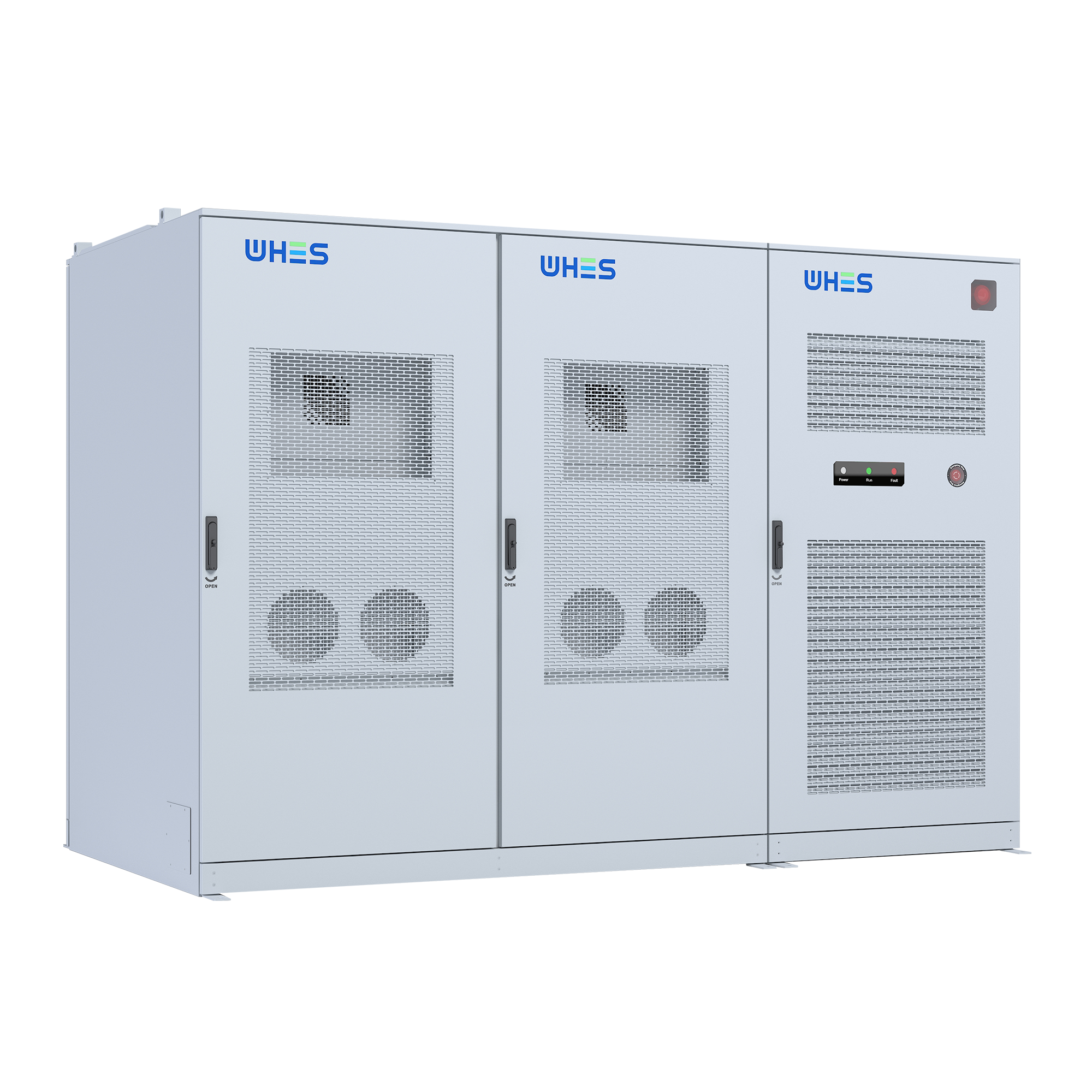
Integrated all‑in‑one systems bundle cells, inverter, and thermal controls in a single enclosure and simplify commissioning and warranty management. Modular racks give operators flexibility for scale and easier cell replacement, but they require more careful cell matching and often more sophisticated inverter orchestration—especially when paired with a 3 phase solar system or three-phase inverter setup. From a SoH perspective, integrated systems can reduce variance because factory-level cell sorting and matched thermal pathways are applied across the pack; yet modular systems can be repaired and upgraded in situ, which may improve lifecycle economics if maintenance practices are strong.
Data that insurers and owners actually ask for
Insurers and asset owners request: historical SoH curves, cycle-count logs, thermal-event reports, and failure-mode analyses. They also look for evidence of robust commissioning—proof that the inverter anti-islanding settings, protection relays, and over/under-voltage thresholds were set according to grid codes during high-voltage commissioning. These documents reduce perceived risk and can materially affect insurance premiums and financing terms. If a system shows repeated thermal excursions or unexplained capacity jumps in telemetry, plan for cell-level diagnostics immediately—small anomalies often precede larger failures.
Operational best practices and real-world anchor
In field deployments after the Californian events, operators tightened temperature management and limited maximum DoD during heatwaves to preserve SoH. That practical change—driven by publicly visible grid stress—illustrates why conservative operational rules can extend cycle life without dramatic capacity sacrifice. Implement rolling firmware updates for the BMS, schedule periodic capacity verification tests, and automate anomaly alerts so technicians see trends before alarms escalate.
Common mistakes during commissioning and how to avoid them
1) Skipping a full SoH baseline at handover. Always capture an initial SoH under known conditions. 2) Ignoring partial-cycle accounting. Convert partial cycles into full equivalent cycles when reporting lifetime use. 3) Neglecting temperature derating curves. Map usable kWh against ambient ranges for realistic energy availability. If you build these checks into commissioning, warranty claims and unexpected replacements become far less frequent.
Three golden rules for selecting and operating all‑in‑one systems
1) Demand transparent telemetry: insist on continuous BMS logs with exportable SoH, cycle count, and temperature data. 2) Prioritize measured usable energy over nameplate ratings: evaluate kWh available at expected site temperatures and DoD settings. 3) Validate end-to-end commissioning: your acceptance criteria should include cell-match reports, inverter protection settings, and a documented high-voltage commissioning checklist signed by both installer and manufacturer.
Use these rules to compare bids and predict total cost of ownership—because a lower upfront price often hides higher lifecycle risk. In practice, vendors that provide clear, testable data and a disciplined commissioning protocol reduce operational surprises. For systems that must integrate with distributed generation and three-phase loads, that discipline is essential; the right partner makes predictable resilience possible, and that’s the value WHES brings to the table when you need integrated, field-proven solutions. Data-driven clarity.
