

Intro: The Day “Can You Hear Me?” Became Agenda Item One
A meeting starts, and five seconds in, someone sounds like they are calling from a cave. Your conference room speaker and microphone system tries its best, but the room laughs—softly, in reverb. Last month I tracked seven meetings and found that about 12% of the time was spent on audio fixes, not ideas. That’s a lot of lost brainpower. So why do smart teams still wrestle with echoes, dropouts, and people who vanish when they turn their heads? (Plot twist: it’s not your voice.) The hardware is often fine; the setup and the room shape do the mischief. And yes, acoustic echo cancellation helps, but only if gain structure and placement play nice—funny how that works, right? Big claim: most “bad audio” is predictable and preventable. Ready to put some logic behind the noise and get a cleaner result without buying a studio? Let’s draw out what really matters next.

Small Rooms, Big Audio Myths
Why do small rooms fail the big test?
Let’s get technical. A typical huddle space is short, wide, and full of glass. People assume a single soundbar solves it all. It doesn’t. A fit-for-purpose small room conference solution should control microphone pickup, not chase it. Look, it’s simpler than you think: use near-field mics with smart beamforming to track talkers within a tight lobe. Pair that with solid DSP, including AEC tuned to the room’s decay time, and keep latency low so you don’t hear your own voice coming back a beat later. The surprise flaw in old setups isn’t the mic capsule; it’s uncontrolled coverage plus reflective surfaces. When the mic hears the walls more than you, intelligibility tanks. That’s a routing problem, not a budget problem.
Traditional “one box, max volume” thinking boosts noise along with speech. The fix starts with basics: consistent gain structure, short signal paths, and automatic mixing that closes unused channels. Add smart EQ to tame 200–400 Hz boom from tabletop reflections. If your system supports PoE for simpler cabling, great—fewer power bricks, fewer ground loops. And don’t park the speaker where it fights the mic. Separate them spatially so the AEC has an easy job. You’ll notice the crowd stops saying “What?” and starts answering “Why?” That’s the real test of a small room done right.
Looking Ahead: Smarter Sound in Smaller Spaces
What’s Next
Now we shift from fixing to outperforming. New arrays use adaptive beamforming and auto-mix logic that learns who’s speaking and when. That means the room becomes less of a variable and more of a constant. In a modern compact conference system, the principles are clear: tighter acoustic control, cleaner AEC tail handling, and smarter noise gating that respects dynamics. Add room-aware presets—some even use a quick chirp to map reflections—and you get reliable clarity without a sound engineer in the corner. Semi-formal reality check: the better your direct-to-reverb ratio, the better your brain decodes words. DSP is the muscle here; the mic array is the ears; placement is the compass. Miss one, and you chase artifacts. Nail all three, and meetings feel easy—no drama, no fiddling.
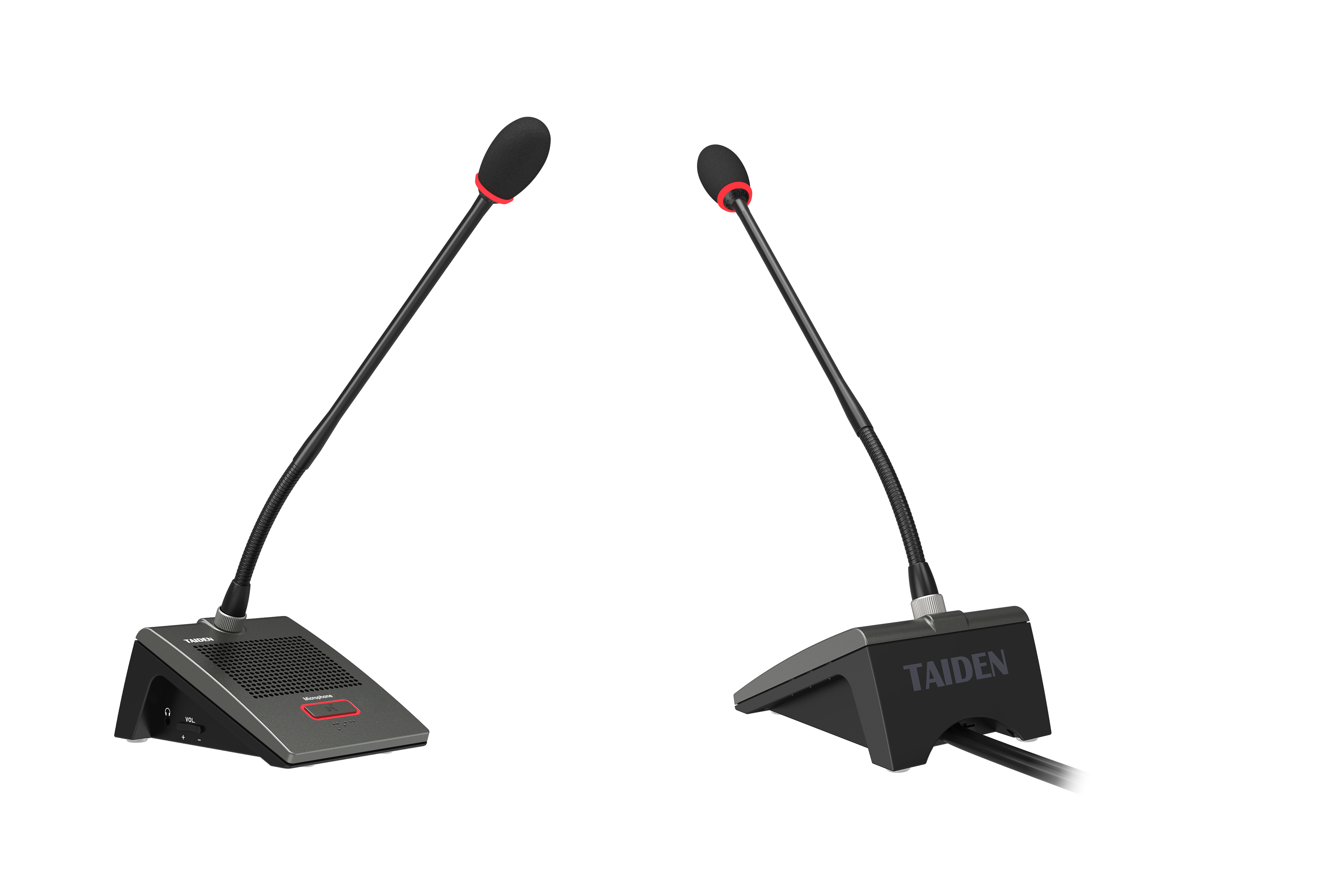
So how do you choose what to buy next, minus the guesswork? First, compare speech intelligibility, not just “frequency response.” Ask for STI or at least controlled SNR measurements. Second, verify AEC performance with real data: tail length and convergence speed, tested with the speakers you’ll use. Third, judge coverage uniformity: can the system hold level and clarity when someone swivels or leans back? If a system publishes beam width specs and shows latency under 20 ms end-to-end, you’re on the right track. And if installation is auto-calibrated in under 10 minutes, you’ve saved support tickets—funny how that flips the cost curve. In short, better sound comes from design choices, not magic. Pick what proves it in the room, not just on paper, and your future meetings will sound like they should: human, steady, and clear. For more on systems that take this path, see TAIDEN.
